Ukraine Charges Russian General in Absentia Over Skovoroda Museum Strike
Ukraine charged a Russian lieutenant general in absentia for the 2022 missile strike that destroyed the Hryhoriy Skovoroda museum; 2,161 heritage sites have been hit.
Programme
- A Russian lieutenant general was charged in absentia for the spring 2022 missile strike on the Skovoroda museum.
- The prosecutor general says the general knew the target was a cultural monument, not military.
- 2,161 heritage sites and 2,665 cultural institutions damaged as of September 2026, per Ukraine's Culture Ministry.
- The museum stood on the estate where philosopher Hryhoriy Skovoroda died in 1794.
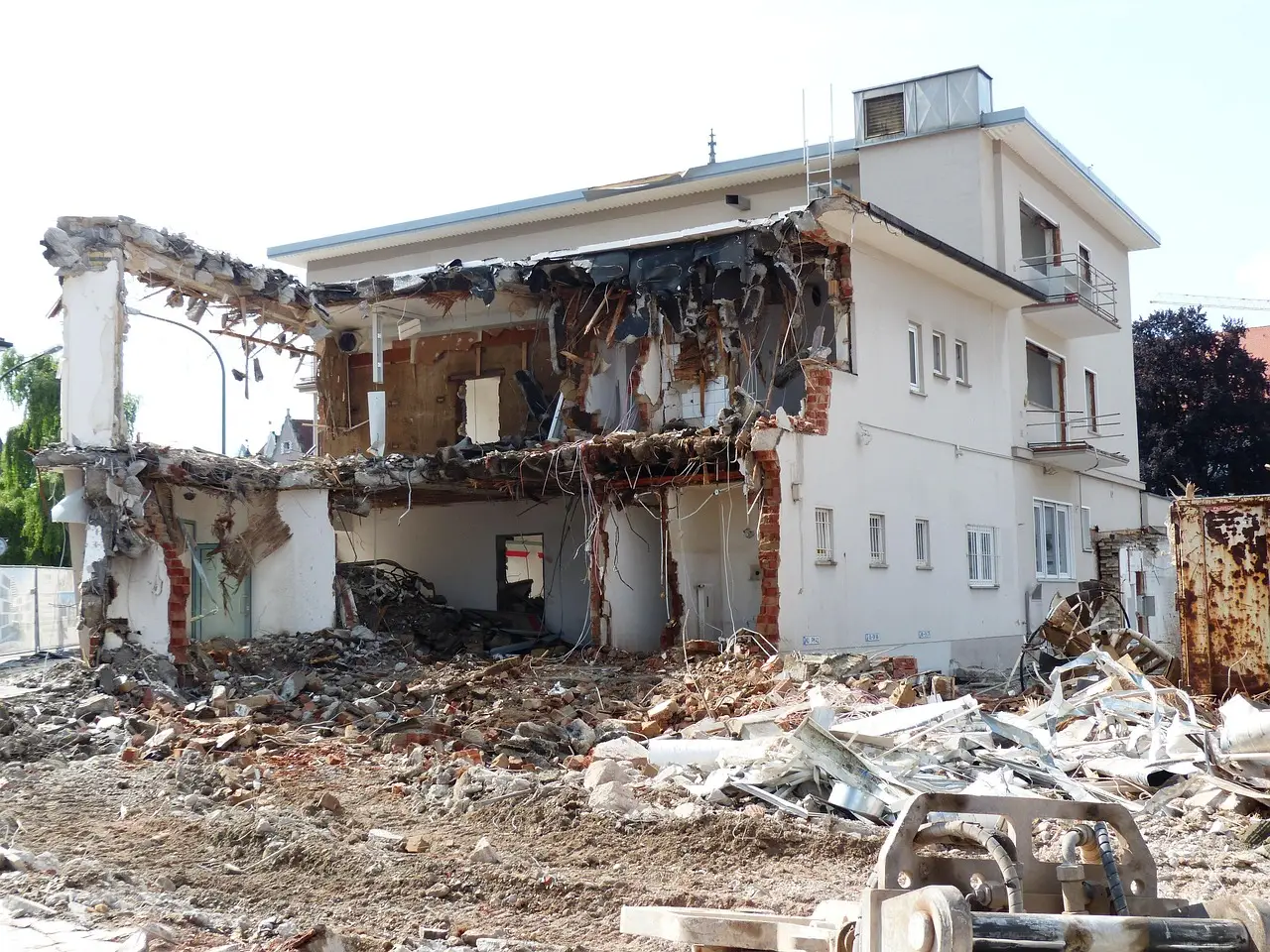
Ukraine has charged a Russian lieutenant general in absentia for ordering the missile strike that gutted the Hryhoriy Skovoroda National Literary Memorial Museum in the Kharkiv region in spring 2022. The country's prosecutor general announced the charge, accusing the officer of deliberately targeting a cultural monument, according to The Kyiv Independent.
The general commands Russia's 6th Guards Air and Air Defense Forces Army. He also happens to come from Chuhuiv, a village in Kharkiv Oblast — a detail that adds a certain grim symmetry to the case.
What did the prosecutor general say?
The accusation is blunt. In a statement, the prosecutor general wrote: "The (lieutenant) general knew for certain that he was attacking not a military target but a monument of Ukrainian culture. Despite this, he gave the combat order to destroy it."
That sentence matters legally. Prosecuting cultural destruction as a knowing act, rather than collateral damage, is the frame Kyiv wants international courts to adopt.
In absentia charges (brought without the accused in custody) have limited immediate teeth. Russia does not extradite its officers. But the cases build a documented record, and documentation is what future tribunals feed on.
What was destroyed?
The museum honored Hryhoriy Skovoroda, an 18th-century Ukrainian philosopher known for his devotion to the Socratic method — teaching through questioning rather than doctrine. The institution sat on the estate where Skovoroda spent the final years of his life and where he died in 1794.
The strike came early in the full-scale invasion. President Volodymyr Zelensky addressed it directly at the time, saying: "Last night, the Russian army deployed one of its missiles to destroy the Hryhorii Skovoroda Museum in Kharkiv Region. A missile—to destroy a museum."
Zelensky's repetition was the point. A missile, for a museum.
The building was one of many cultural casualties of the war's opening phase. ARTnews documented the Skovoroda museum in a roundup of embattled Ukrainian cultural sites after the attack.
How widespread is the damage?
The numbers are the story. According to data collected by Ukraine's Culture Ministry and cited by The Kyiv Independent, Russia has damaged or destroyed:
- 2,161 cultural heritage sites
- 2,665 cultural institutions
Those figures run through September 2026. They cover everything from memorial estates like Skovoroda's to libraries, theatres and community cultural centers.
The scale has a logic to it. As The Kyiv Independent reported, "Russia has repeatedly targeted Ukraine's cultural heritage since the start of the full-scale war." Whether each site was struck deliberately is the question these prosecutions exist to answer — one charge sheet at a time.
What comes next?
The in absentia charge will not put the general in a dock tomorrow. What it does is place a named commander on the record, tied to a specific order against a specific monument, in a war where Ukraine says culture itself is a battlefield. Expect more such files; the ministry's casualty count of 2,161 heritage sites suggests the prosecutor general has plenty of work left.
Source: ARTnews
More from Daniel Okafor
Show full bio
News editor covering companies, deals and strategy in arts in the broadest sense at Arts & Voices.
888 articles