Turkish Police Seize 2,000-Year-Old Marble Head of Zeus in Izmir
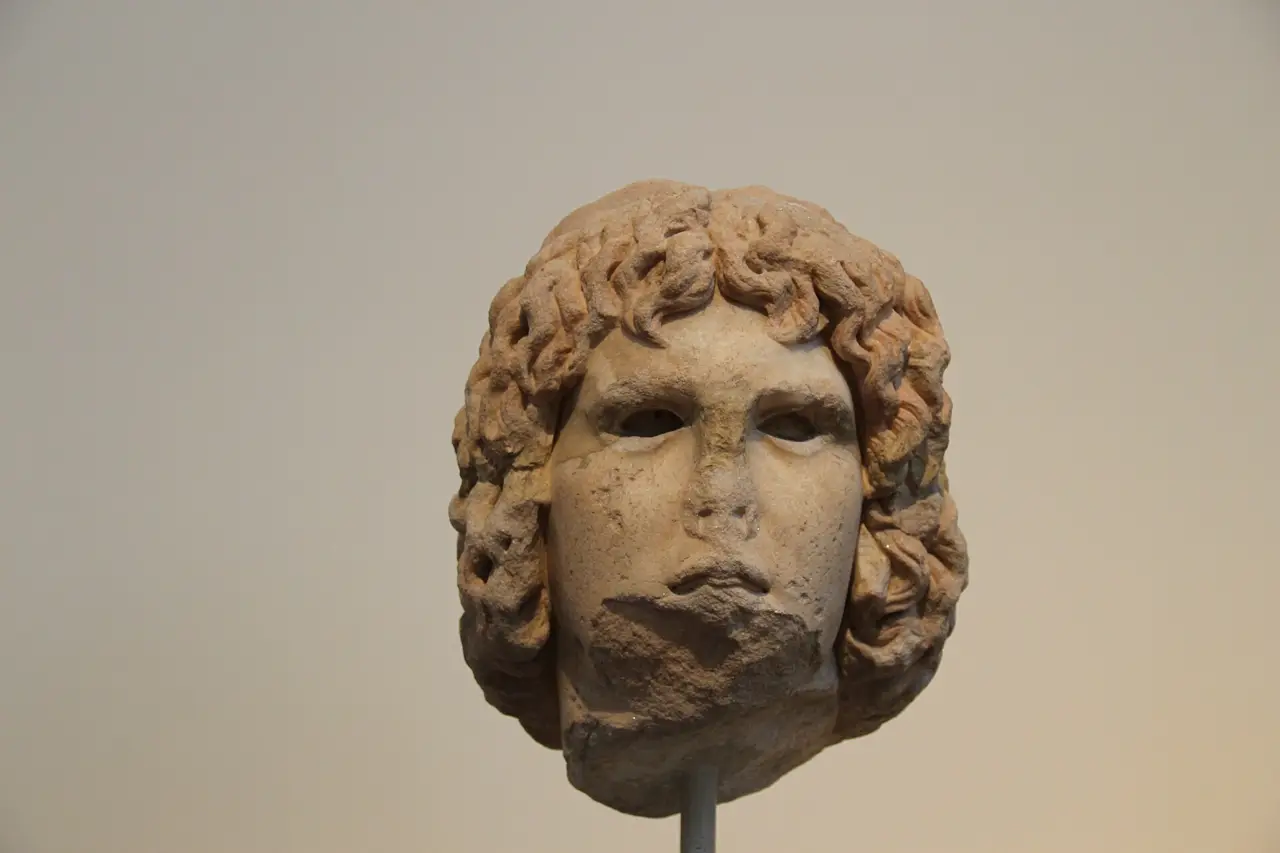
Turkish police seized a 2,000-year-old marble head of Zeus in Izmir's Konak district, arresting three suspects under heritage protection Law No. 2863.
Programme
- Turkish authorities seized a marble head of Zeus believed to date roughly 2,000 years to the Roman period.
- The seizure occurred in Izmir's Konak district, western Turkey, in an operation by the İzmir Chief Public Prosecutor's Office.
- Three unnamed suspects were arrested under Law No. 2863 on the Protection of Cultural and Natural Heritage.
- Authorities have not disclosed how the suspects acquired the sculpture or whether it links to a known archaeological site.
Turkish authorities have seized a marble head of Zeus believed to be around 2,000 years old. The recovery took place in the Konak district of Izmir, in western Turkey, and adds one more object to the long inventory of antiquities pulled out of the country's illegal art trade.
The İzmir Chief Public Prosecutor's Office ran the operation, with officers from the Anti-Smuggling and Intelligence branches of the provincial police department carrying it out. The sculpture dates, on current belief, to the Roman period.
Who was arrested, and under what law?
Three unnamed suspects were detained during the operation. They were charged under Law No. 2863 on the Protection of Cultural and Natural Heritage, Turkey's principal statute governing archaeological material.
According to the Turkish news agency Demirören, all three were arrested after appearing in court. No further details on the suspects have been released.
What remains unknown about the head?
Plenty. Authorities have not said how the suspects acquired the sculpture, nor whether it can be linked to any known archaeological site.
That gap matters. Without a documented findspot (the recorded location where an artifact was excavated), scholars struggle to establish an object's age, context and historical significance. Unprovenanced antiquities — pieces without documented ownership history — are precisely the kind of material that floods the illicit market and frustrates archaeologists.
A more complete picture of the sculpture's age and origins is, for now, pending.
Why Zeus, and why Anatolia?
As ruler of the Olympian gods, Zeus occupied a central position in Greek mythology. After Rome conquered Greece, he became associated with the Roman god Jupiter, while artists continued to depict him according to classical sculptural conventions.
His cult was widespread in ancient Anatolia throughout the Greek, Hellenistic and Roman periods. In other words, a Zeus head surfacing in western Turkey is geographically unremarkable; the circumstances of its surfacing are the story.
What happens next?
The seizure itself is settled fact. The sculpture's provenance — the record of where it came from and who has owned it — is not.
Unless investigators can connect the head to a specific site, the object may remain what most seized antiquities are: genuinely ancient, formally recovered and historically mute. Turkey's anti-smuggling units recover such material regularly under Law No. 2863, and each case turns on whether prosecution can prove the objects were dug up or traded outside legal channels.
For now, the marble Zeus sits on the legal side of the ledger. The three suspects sit in custody. The questions of where the head was found, and how it traveled from there to Konak, await answers.
Original: dha.com.tr
More from Daniel Okafor
Show full bio
News editor covering companies, deals and strategy in arts in the broadest sense at Arts & Voices.
678 articles