Victorian Psycho review: Monroe’s menace, mischief and dark wit
Zachary Wigon’s Victorian Psycho turns an 1858 Yorkshire governess’s confession into a witty gothic horror, pairing Maika Monroe’s eerie precision with Ariel Marx’s unsettling score.
Programme
- The film premiered at the 2026 Cannes Film Festival.
- The story places Winifred Notty at Ensor House in 1858.
- The film arrives in theaters on November 13.
- The screenplay adapts Virginia Feito’s novel of the same name.
- Maika Monroe leads the cast with Ruth Wilson, Jason Isaacs, Jacobi Jupe and Evie Templeton.
By Grace Kim
Zachary Wigon’s Victorian Psycho premiered at the 2026 Cannes Film Festival and arrives in theaters on November 13. The film adapts Virginia Feito’s novel of the same name and follows Wigon’s erotic thriller Sanctuary with a period gothic mystery. That change of genre demonstrates his range and commitment to genre filmmaking.
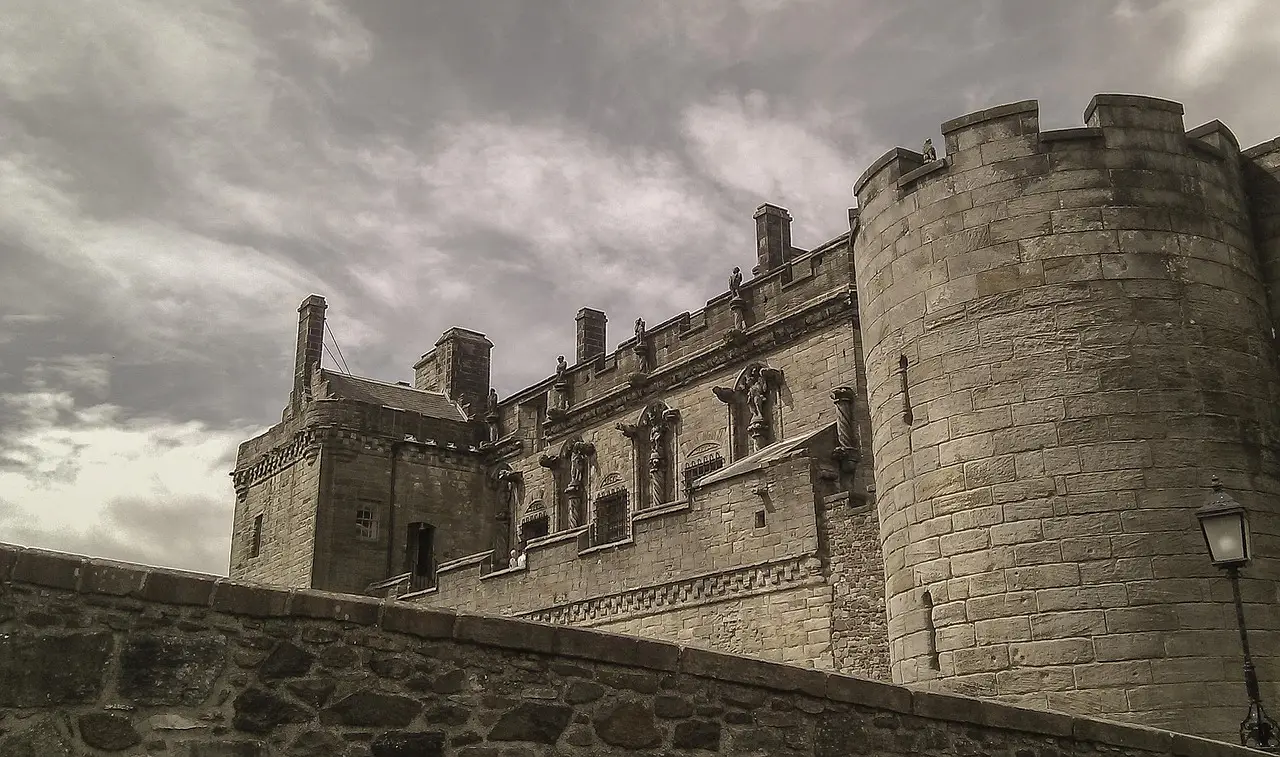
Winifred Notty (Maika Monroe, coming off the horror run of Longlegs) arrives in 1858 at Ensor House, a castle in the Yorkshire moors of northern England. The story’s pre-Freud setting places her within a world that has not yet made pathology a common clinical term. The Pounds supply Winifred with pupils and a predictably stilted household hierarchy:
- Ruth Wilson as Mrs. Pounds
- Jason Isaacs as Mr. Pounds
- Jacobi Jupe as Andrew, the heir
- Evie Templeton as Drusilla, the Pounds’ teenage daughter
Winifred’s duties include teaching table manners and family history. She projects an exemplary moral compass, at least in theory, while a confessional voiceover (direct address to the audience) punctures her performance with sarcasm and hints at psychopathic tendencies.
Monroe’s Winifred declares in the opening scene: “My name is Winifred Notty and I’m the sanest person I’ve ever met.” The line provokes laughter and sympathy because viewers know more about the predicaments of Victorian women than the characters do.
Winifred’s surname also carries a pun on the word naughty. The film extends that irony into a psychoanalytical proposition: hysteria and pathology can look like sane responses to an insane world.
What does Winifred’s dark humor change?
The joke changes how viewers position themselves toward Winifred. Wigon does not disguise her cruelty as glamour or mystery; instead, she admits to crimes, lectures the children on evil and kills an innocent animal by smashing its head to prove a point. Her comic strangeness recalls Bella Baxter in Poor Things, but the screenplay, like Feito’s novel, discloses Winifred’s dark past early.
Winifred admits to “feeling tenderly” toward her darkness, giving the part an elegance the film distinguishes from that of recent female-led horror leads. That combination of candor and menace keeps identification and criticism active at once. Humor releases tension without excusing what she does.
Nico Aguilar’s cinematography frames Monroe’s face in frequent close-ups and at a slight tilt, enlarging her eerie smile. Canted angles (tilted frames), upside-down images and anxious, breathy camera movements then make that smile feel unstable. The visual language openly acknowledges Brian De Palma and American Psycho, while Wigon treats his female protagonist with curiosity rather than a fetishistic gaze.
Those formal choices make the film’s tonal balance unusually nimble. The camera records Winifred’s appeal and the unease around her without settling into either fascination or condemnation. Wigon and Monroe use identification and criticism as complementary reactions, not opposing ones.
Ariel Marx’s score accompanies Winifred’s descent toward madness. Marx combines whispers and screams with strings and sharply shaped dramatic arcs, turning sound into a marker of the theatrical pleasure she takes in cruelty. The score does not merely decorate the violence; it gives her cruelty a musical signature.
Victorian Psycho also works as a comedy. Monroe, Wilson and Isaacs anchor that register with restrained, deadpan delivery, competing over who can make their characters’ ridiculousness more convincing without ever hiding the characters’ cold hearts.
Andrew’s acquisition of a pineapple offers the film’s strongest candidate for a Best Inanimate Object Cameo (a brief spotlight on an object). The joke may recall a line in Yorgos Lanthimos’s The Favourite, though its target stays mild.
The comedy carries sharper ideological edges. Its targets are mildly misandrist, sometimes anti-natalist (opposed to childbirth or new life) and consistently anti-classist (opposed to rigid social hierarchy). Those provocations give the film its disruptive force, but they can also distance viewers who resist its appetite for cruelty.
For audiences, the November 13 theatrical release offers a female-led gothic that makes laughter part of the warning. The practical test is whether Monroe’s mix of empathy and menace, and the film’s class critique, survive the move beyond Cannes. Even viewers indifferent to darker humor may find Wigon’s balancing act persuasive, though the misandrist and anti-natalist edges set a clear limit on that appeal.
Source: The Film Stage
More from Grace Kim
Show full bio
Correspondent covering technology and product news in arts in the broadest sense at Arts & Voices.
1,344 articles