We Are the River Traces 620 Miles of Mississippi Through Minnesota
Minnesota PBS's We Are the River spans 620 miles of the Mississippi in Minnesota, from Dakota creation at Bdóte to flour-mill dominance and an endangered-waterway warning.
Programme
- We Are the River, a roughly 90-minute Minnesota PBS documentary by Steve Myers and Susan Myers, covers the first 620 of the Mississippi's 2,340 miles.
- Minneapolis was flour milling capital of the world for 50 years starting in 1880.
- An estimated 1,658 Dakota people, largely women and children, were imprisoned at Fort Snelling after the U.S.-Dakota War of 1862.
- American Rivers named the Mississippi the most endangered U.S. river in 2025.
- By 1898, Muscatine, Iowa was the world's largest producer of freshwater pearl buttons.
Producers Steve Myers and Susan Marks spent 2023 onward documenting 620 miles of the Mississippi River — the Minnesota stretch of America's second-longest waterway — in the new Minnesota PBS film We Are the River: How the Mississippi Shaped Minnesota. The roughly 90-minute documentary is now available online, through Minnesota PBS and through national PBS networks.
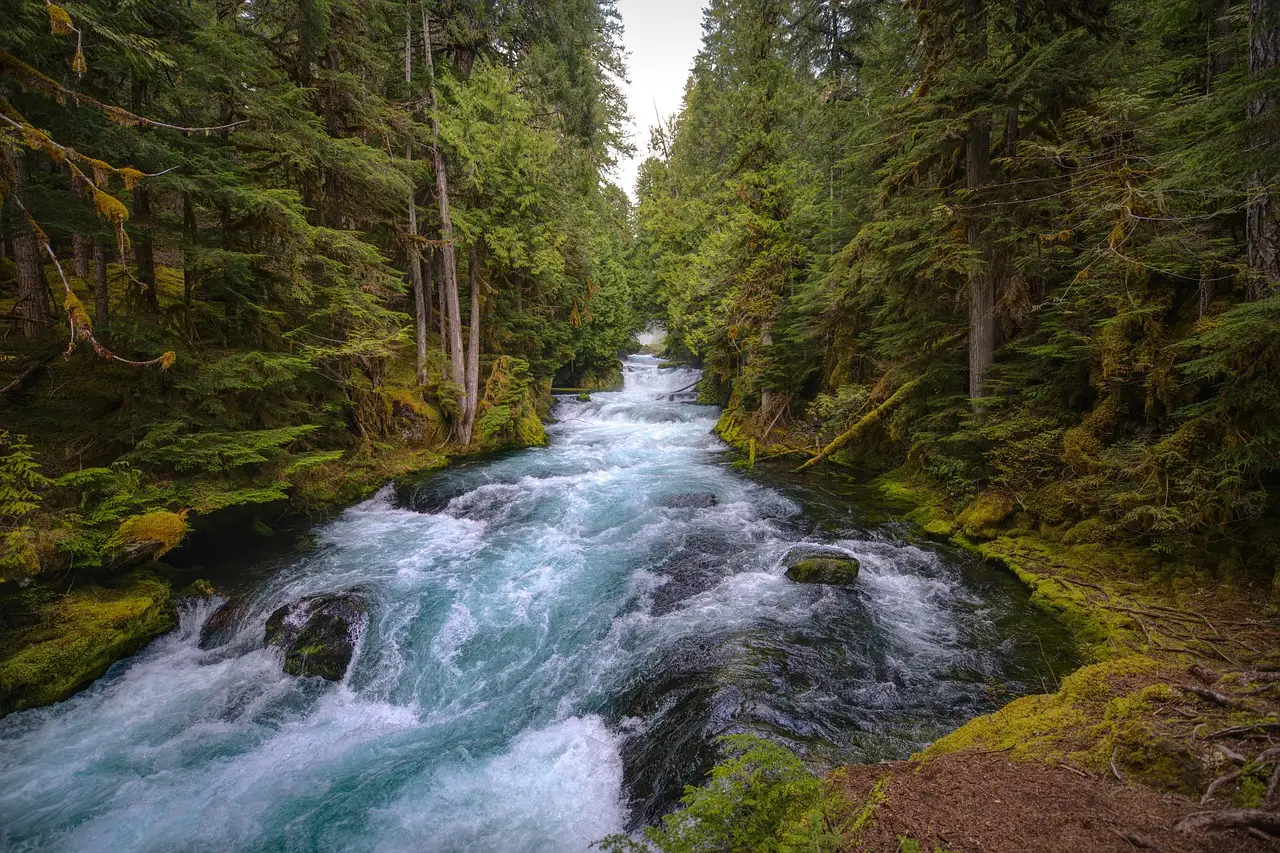
Of the Mississippi's 2,340 total miles, the first 620 meander through Minnesota. That segment anchors a film spanning Dakota histories of creation and genocide, a flour-milling boom and bust, and the rise and destruction of immigrant enclaves.
"There's this giant river that we know so little about, and even if you do know one aspect of it, there's so much more to learn," Marks said.
What histories does the film recover?
We Are the River opens before the river carried its current name. The Dakota people called it Haha Wakpa, meaning "river of the falls," and Wakpa Tanka, meaning "great river."
Kate Beane, executive director of the Minnesota Museum of American Art and a citizen of Flandreau Santee Sioux Dakota and Muscogee Creek descent, explains in the film that the confluence of the Mississippi and Minnesota rivers — a Bdóte — marks where the Dakota people came into creation. After the U.S.-Dakota War of 1862, in which 38 Dakota men were hanged in Mankato, an estimated 1,658 Dakota people, largely women and children, were imprisoned at the Fort Snelling concentration camp beside the Bdóte.
"We are illuminating some sad, horrible histories that are connected with the Mississippi River, and we didn't make them right by shining light upon them and raising awareness," Marks said. "But we did try to take a step towards healing."
How did industry reshape the river?
Where Dakota people saw a sacred site, European colonists saw money. By harnessing St. Anthony Falls, Minneapolis held the title of flour milling capital of the world for 50 years starting in 1880. When railways reshaped American transportation, business leaders and politicians pushed river traffic to keep the Twin Cities relevant.
The dams and barge traffic that anchored the regional economy also altered the river's course and ecosystems. Geologist Carrie Jennings explains in the film that falling water erodes rock at a waterfall's edge, pushing the falls upstream over time. St. Anthony Falls in Minneapolis was therefore once the River Warren Falls in downtown St. Paul.
Before either name, the Dakota called it Owámniyomni. Shelley Buck, a member of the Dakota Prairie Island community, describes the nearby Spirit Island — Wíta Wanáǧi — as a sacred space that industrialization reduced to a narrow strip of barren land. The Dakota-led non-profit Owámniyomni Okhódayapi now works to restore river access along the Upper St. Anthony Falls Lock and Dam, near the island's remains.
Why does the film call the river endangered?
In 2025, American Rivers named the Mississippi the most endangered river in the United States. The film pairs that warning with evidence of recovery: gradually improving water quality and the rebound of migratory birds sheltering along the river.
"I've heard people say over and over again: 'I don't even know how to get to the Mississippi River. Can you like walk down into it?'" Marks said. "It's a good question. So hopefully, this film will help raise awareness that people realize that we belong to the Mississippi River, and the Mississippi River belongs to us, and of course, needs to be protected."
The film also follows stories beyond state lines, including Augsburg University's river semester, in which students paddle from the river's boundary waters near Lake Itasca to the Gulf of Mexico instead of studying abroad.
Marks acknowledges gaps. "We cast a pretty wide net to really look at the really important parts of the Mississippi, especially the parts that need to be protected, and yet we still fall short because there's so many stories we left out," she said. Untold threads include the river's role as an artistic muse and the pearl button boom: by 1898, Muscatine, Iowa was the world's largest producer of freshwater pearl buttons, but the industry depleted local mussel beds within a few years.
"There's still hope for that in the future," Marks said of the artists' story, signaling possible follow-up work as the film reaches national audiences.
Source: mspmag.com
More from Elena Vasquez
Show full bio
Senior reporter covering technology and product news in arts in the broadest sense at Arts & Voices.
1,311 articles