‘Wow’: How TV Networks Told the Story of a Democratic Wave
The 2026 midterms gave TV a rare quick verdict. From Steve Kornacki’s Indiana returns to Rachel Maddow’s Kansas call, the faces onscreen told the story of a Democratic wave.

Programme
- Fox News called both the Texas Senate and governor’s races for Democrats on 2026 midterm night.
- Rachel Maddow announced the first Democratic Senate win in Kansas since 1932.
- CBS’s Major Garrett said: “The trend lines appear to be moving in one direction… a blue-hued direction.”
- NBC analyst Steve Kornacki read the first returns of the night from Indiana.
- The networks projected a Democratic takeover of Congress on election night itself, without a multi-day count.
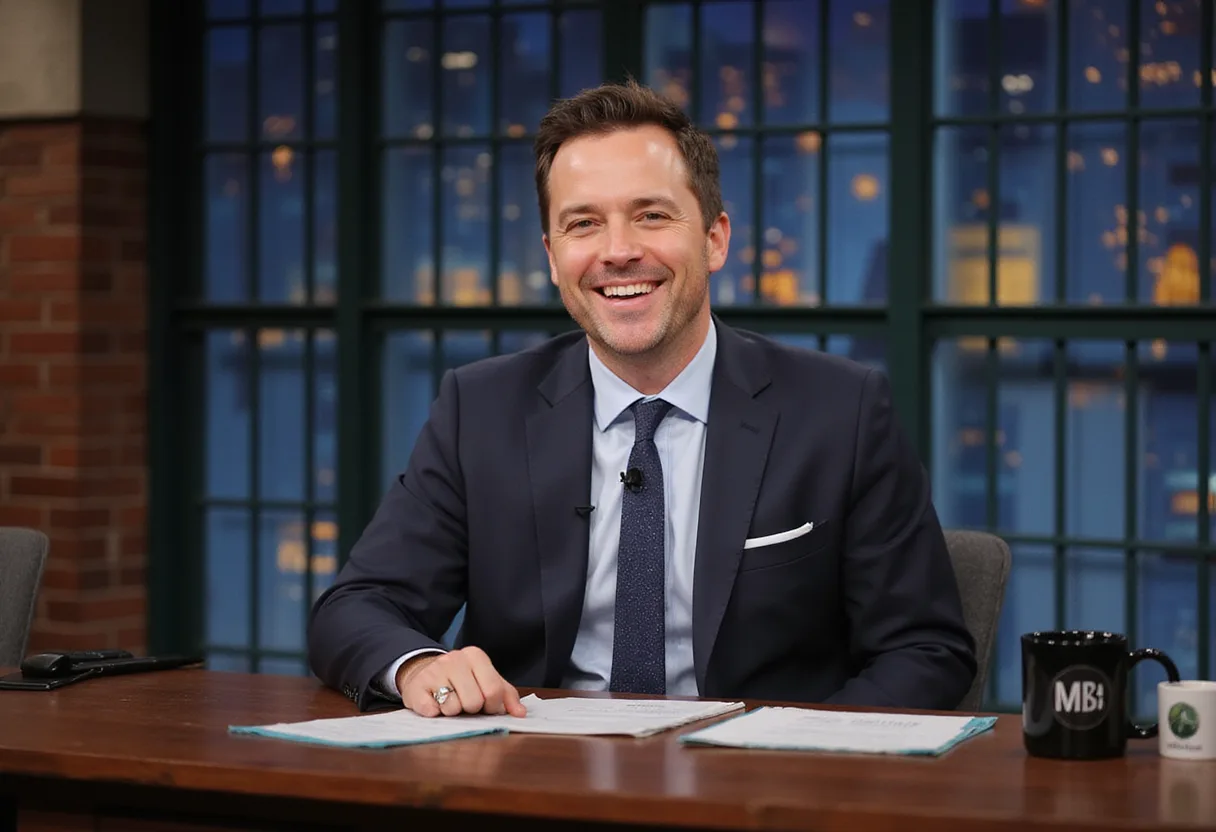
The word of the night on American television was “Wow!” — and it arrived early, as NBC analyst Steve Kornacki read the first returns from Indiana in the 2026 midterms and caught the salt breeze of a coming Democratic wave.
That single exclamation ran across the dial. It surfaced in hushed tones in the Fox News studio as the network called both the Texas Senate and governor’s races for Democrats. It surfaced again at MS NOW, paired with an offscreen chuckle, as Rachel Maddow announced the first Democratic Senate win in Kansas since 1932.
“I can’t quite believe it,” Maddow said.
Believe it. The 2026 midterms produced the kind of televised election night that has become rare: quick, decisive, and legible before a reasonable bedtime.
Why this night felt different
Viewers have grown used to election broadcasts that behave like overstuffed Netflix serials — counted into the wee hours, resolved days later. In 2018, Donald J. Trump’s first midterm, the newsroom narrative meandered: what first appeared to be a fizzled Democratic outing eventually turned into something more decisive, if not absolute.
Tuesday night, you could not miss the wave. You were soaking in it. A sane viewer not writing on deadline could have gone to bed at a reasonable hour with a solid sense of the story.
The data itself came in a rush of percentages, benchmarks and counties flipping from red to blue. Every square inch of the networks’ Jumbotron-sized smart screens was tested, as the data analysts were thrown more surprising numbers than they could point at.
What did the screens actually tell us?
The magic walls supplied the statistics; the faces and voices in the studios told the story. The Kornacki Cam, Fox News anchors, MS NOW hosts — the human reactions became the broadcast’s real narrative engine.
There was an electric sense of a big change in the air, even before the networks were able to officially call the Democratic takeover of Congress. CBS’s Major Garrett captured it early with a line that doubled as analysis.
“The trend lines appear to be moving in one direction,” Garrett said, “and that is a blue-hued direction.”
The casting change of the night
Beyond the results themselves, the evening amounted to a casting change in the long-running drama of midterm television. The familiar formula — endless uncertainty, delayed calls, anchors killing time — gave way to a night when surprise itself became the recurring motif, from Indiana’s early numbers to Kansas breaking a Democratic Senate drought dating back to 1932.
For the networks, the lesson of 2026 is straightforward: when the numbers move fast and in one direction, the camera lingers on people, not touchscreen maps. The next election night may not be so cooperative — and the wee-hour marathons viewers know so well could return without warning.
Source: NYT Arts
More from Marcus Bennett
Show full bio
Staff writer covering people, launches and day-to-day practice in arts in the broadest sense at Arts & Voices.
1,011 articles