Wyatt Maw's 'Ashland' Spent Eight Years Filming Montana Ranch Life on 16mm
Wyatt Maw's 'Ashland,' filmed over eight years on 16mm in eastern Montana, premiered at DOC NYC 2026. The documentary captures ranchers, bull riders and Crow and Northern Cheyenne communities near Little Bighorn.
Programme
- Wyatt Maw's documentary 'Ashland' premiered at DOC NYC 2026.
- The film was shot over eight years on 16mm in eastern Montana.
- Running time is under 90 minutes.
- Cinematography is by Wyatt Maw and Hatti Beanland; editors are Lance Edmands, Ivete Lucas and James Carson.
- Ashland sits only miles from the Battle of Little Bighorn site.
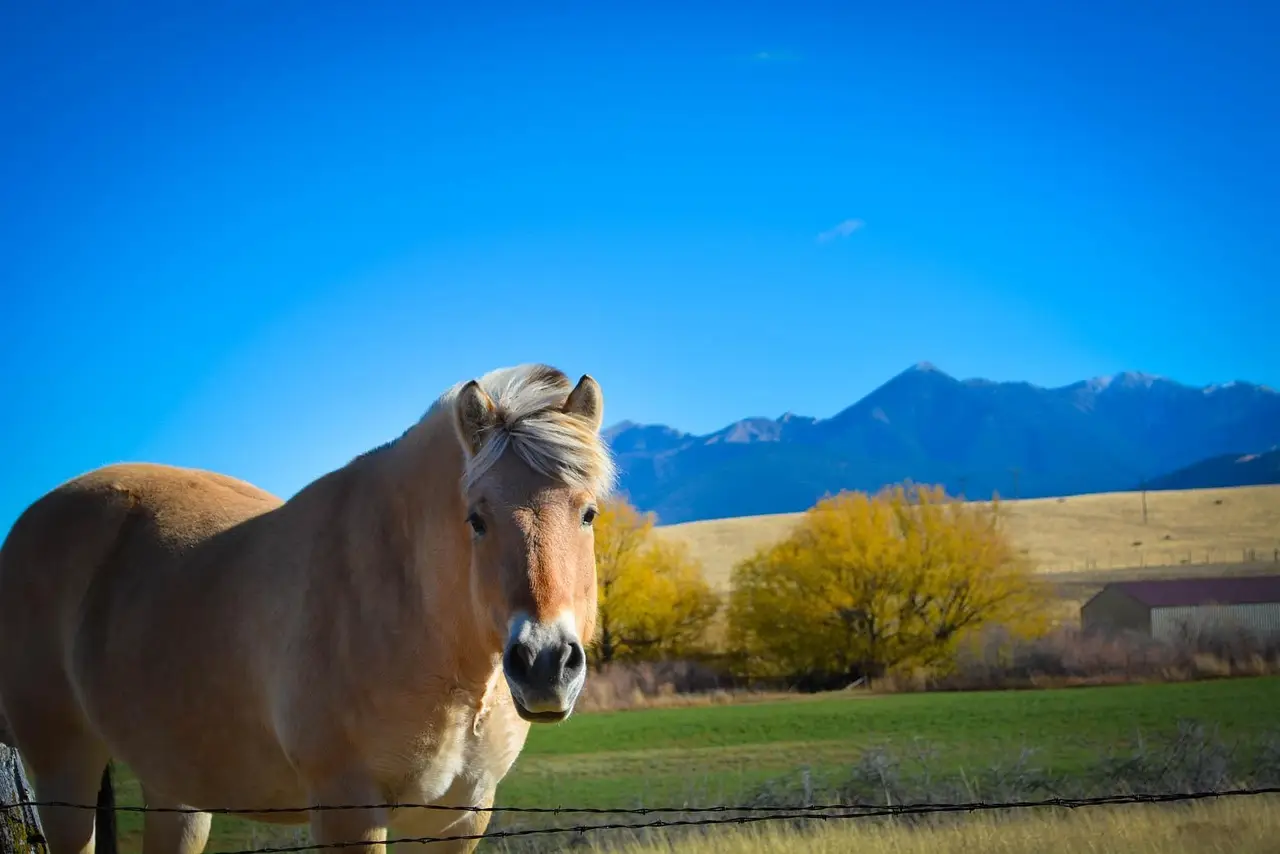
Wyatt Maw's documentary "Ashland," filmed over eight years on 16mm film in eastern Montana, premiered at DOC NYC 2026. The film trains its lens on ranchers, horse trainers, bull riders and tribal elders living in a small community miles from the site of the Battle of Little Bighorn.
The film opens onto a world that seems sealed in amber. An old cowboy named Swede makes his breakfast. A rancher named Mary, who lives among the Amish, does her work while explaining how she arrived at this life. One striking shot places a young Amish woman in the near frame while a train blasts past in the far one.
What does the film capture?
The strongest element is the cinematography, credited to Maw and Hatti Beanland. An edit by Lance Edmands, Ivete Lucas and James Carson gives the picture a melodic pace that makes the most of each frame. Despite a running time under 90 minutes, the film lets scenes of breaking horses and bull riding play out at extended length, and that patience reads as comfort rather than indulgence.
The film records both the dangers and the excitement of these lives. Young Bekah Jo talks through surviving a tragedy while navigating adolescence and eleven siblings. The review of the film, published by The Film Stage, notes that Maw and his team are clearly enamored of their subjects, admiring of this time and place.
One sequence carries particular weight. Members of the Crow and Northern Cheyenne communities sing and dance, immediately after an elder explains the significance of certain artifacts on rocks nearby. The juxtaposition is the film's argument in miniature: the past and the present held in a single frame.
The review acknowledges the film's limits. As it moves along, things get "a tad repetitive," with the same observations recurring once and again. Yet the significance of this sliver of America remains, in the reviewer's word, undeniable.
Why the location matters
Geography does quiet work here. The site of the Battle of Little Bighorn sits only miles from Ashland. The United States may be a young nation, but the land beneath it holds memories millennia old, and the film captures both past and present in concert with each other. As one voice in the film says of living there: "It's like you can reach up and touch the clouds."
The reviewer cautions that treating these lives as sealed in amber is "naive and belittling to their very real plight," even if the feeling of peace in the natural environment is genuine. That tension — between the beauty of the images and the hardship they contain — runs beneath the whole picture.
What does this change for documentary audiences? "Ashland" arrives at DOC NYC 2026 as a record of eight years of patient watching, and it positions Maw as a director willing to let a place speak at its own speed. For a film under 90 minutes, it carries a long memory.
Source: The Film Stage
More from Marcus Bennett
Show full bio
Staff writer covering people, launches and day-to-day practice in arts in the broadest sense at Arts & Voices.
1,703 articles