Museums & Exhibitions
A Collector's Art, on Loan to the Met, Will Be Owned by Nigeria
A private U.S. collector's artworks will become Nigerian property while staying on view at the Met, under loan deals that split ownership from display in restitution's newest model.

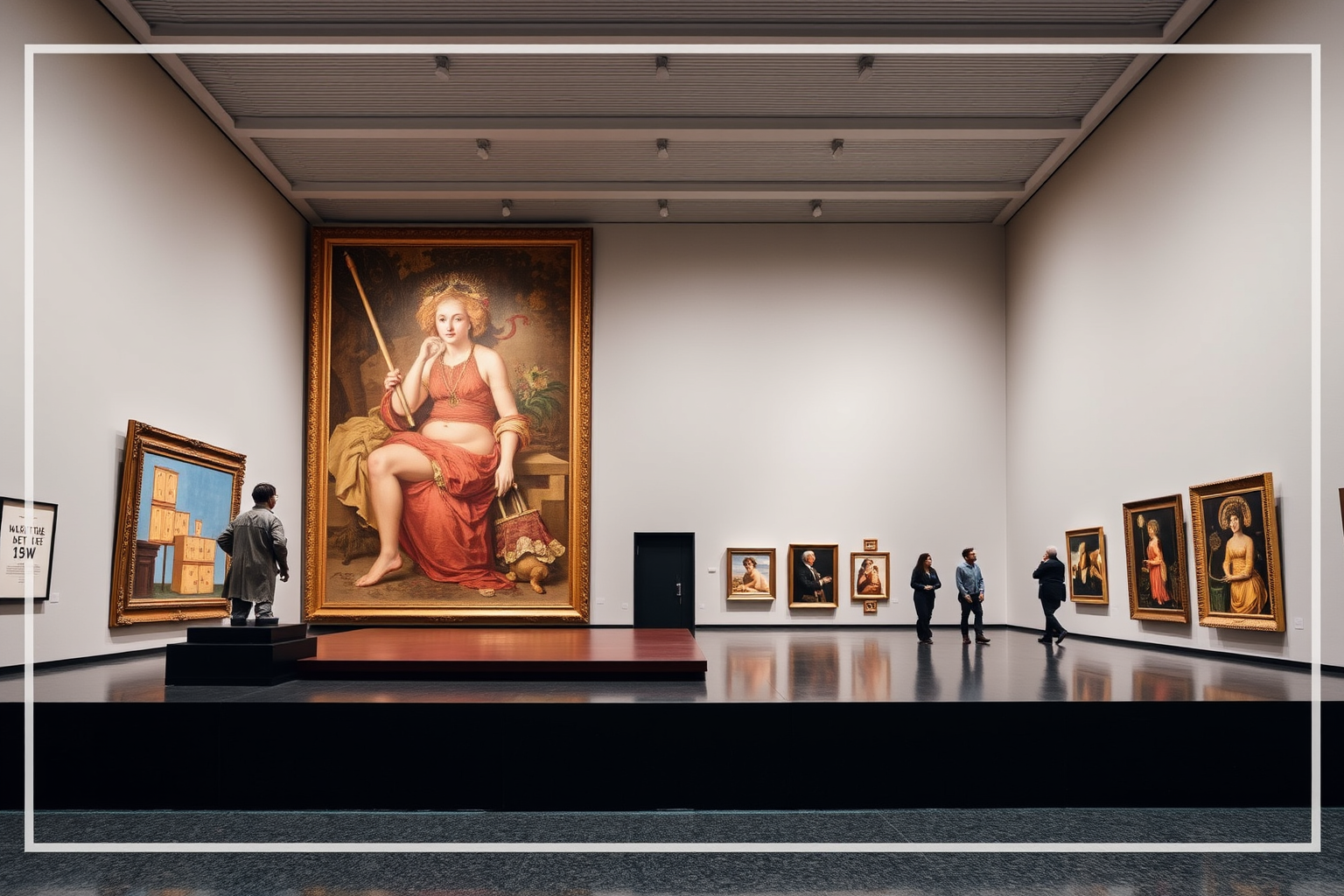
A collection of artworks held by a private American collector will become the property of Nigeria, while remaining on view at the Metropolitan Museum of Art in New York under a loan arrangement, according to a report on the new wave of museum restitutions.
The arrangement is one of a series of what the report calls novel collaborations between U.S. institutions and countries of origin. Under these agreements, objects sitting in private American collections are first repatriated — legal ownership transfers to the source nation — and then travel to the Met as loans, where the public can continue to see them.
The structure inverts the usual sequence of restitution disputes. Instead of a museum surrendering an object and losing it from public view, ownership and display are separated: the country of origin holds title, and the American institution holds the work temporarily, on terms the owner has agreed to.
For Nigeria, the agreement returns legal control over cultural property that left the country and ended up in private hands abroad. For the Met, it keeps significant objects accessible to its audiences without the museum asserting ownership claims that source countries contest.
The report frames the collector-to-nation-to-museum pathway as a practical template for objects that never entered museum inventories at all. Much of the restitution debate has focused on institutional holdings, but private collections contain substantial numbers of works whose provenance scholars and source countries have questioned. The new collaborations offer those works a route home that does not require them to disappear from U.S. walls.
Loans of this kind also change the diplomatic arithmetic. A country that regains title can lend the object back voluntarily, on a schedule it negotiates, rather than watching it remain abroad under contested ownership. The lender-borrower relationship replaces an adversarial one, and the terms — duration, rotation, conservation — become matters of ongoing partnership rather than litigation.
The Met's role is central to the model's visibility. Objects that pass through these agreements arrive with clear legal status and the imprimatur of a bilateral arrangement, which may make them easier to exhibit, study and publish than works whose ownership remains disputed.
For the collector, the arrangement offers a form of resolution as well: works leave the private sphere, enter a public institution, and do so with the consent of the nation whose heritage they represent.
The Nigeria agreement signals how restitution practice is likely to develop next — not only as the emptying of museum cases, but as negotiated circulations in which source countries hold title and Western institutions borrow what they once claimed to own.
Source: NYT Arts
Daniel Okafor
Show full bio
News editor covering consumer brands and retail at Arts & Voices.