Arts & Culture
Bob Iger Explains Why Josh D'Amaro Beat Bob Chapek as Disney CEO
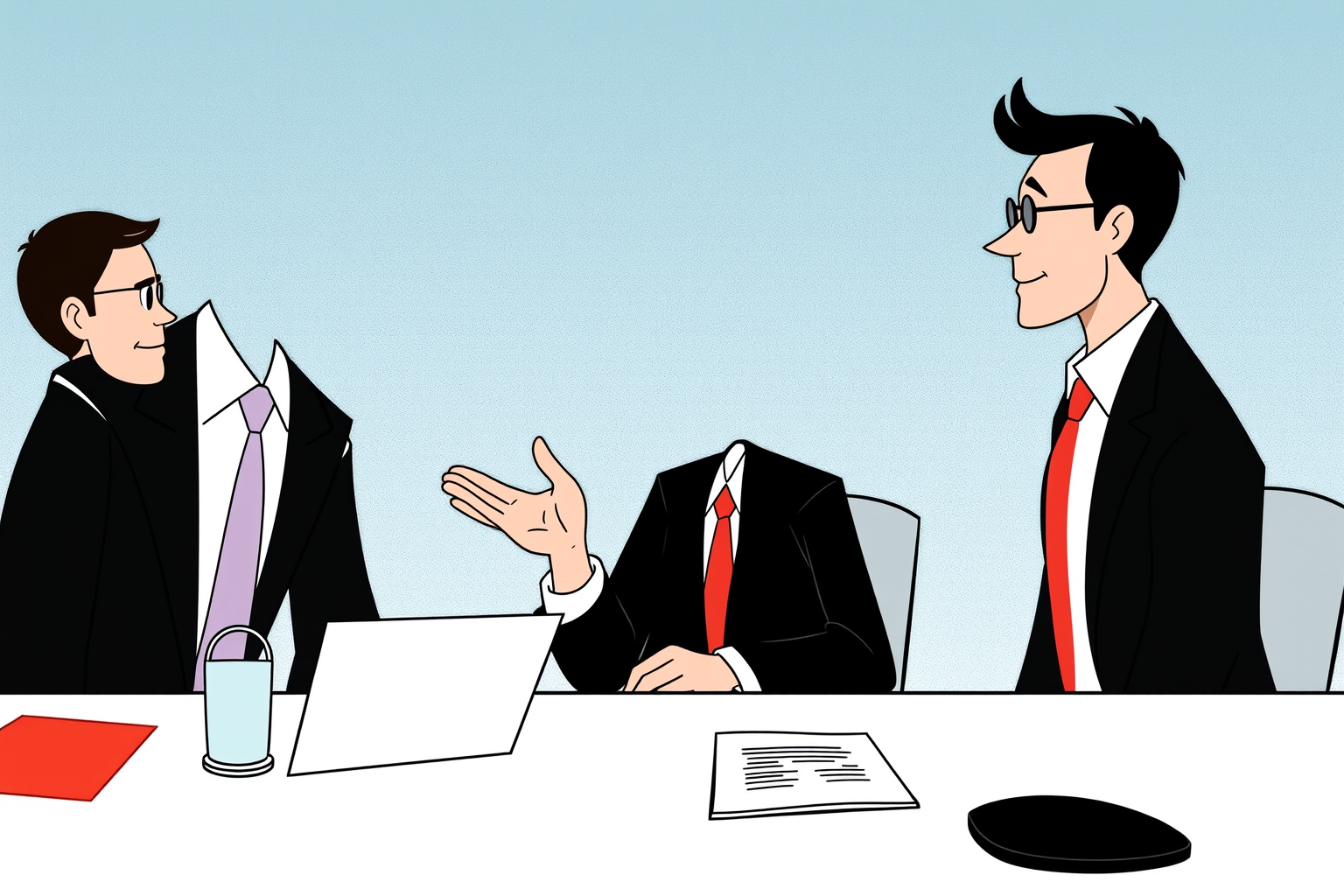
Iger told Harvard Business Review his first succession search wasn't thorough enough, and that D'Amaro was vetted for stamina and crisis management — qualities Chapek lacked.

Bob Iger has broken his silence on what separated his two successors at Disney, telling the Harvard Business Review that his first choice, Bob Chapek, failed a test his second pick, Josh D'Amaro, passed: the ability to manage "an environment in perpetual crisis."
Iger gave the interview to Nitin Nohria, former dean of Harvard Business School, published Thursday. It is his most detailed public accounting yet of a succession process that collapsed twice before it worked.
"We had a process back in 2019 and '20 when we chose my successor," Iger says. "Looking back, perhaps it wasn't as thorough as we thought, in part because we thought we knew the person extremely well."
That person was Chapek, a parks executive who had worked directly under Iger for years. "He'd worked for the company for a very long time and for me directly," Iger says. "And we knew his strengths and we knew some of his weaknesses as well."
Chapek took over as CEO in February 2020. The board ousted him in November 2022 after a series of missteps and brought Iger back. Iger stepped down for good this March, handing the company to D'Amaro, the former parks head.
The first succession failed, Iger now argues, because the questions asked in 2019 and 2020 were the wrong ones. "Leadership needs to be capable of managing an environment in perpetual crisis," he says, and that reality "puts even more emphasis on stamina."
He frames the problem as one of temperament as much as competence. "I don't think people want fearless leaders, but they don't want fearful leaders," Iger says. "They want somebody that's going to show some vulnerability, but never show that they're frightened."
Timing mattered too. "We didn't ask ourselves those questions, though maybe it would have been premature to do so," he says. "This was before COVID hit, right before COVID hit, for instance."
The pandemic hit weeks after Chapek took office.
When the board chose D'Amaro this past February, Iger says, the questions changed. "Is he resilient? Does he have the stamina? Does he choose a good team?" Iger recounts. "Is he someone who can call it what it is, meaning we're in a real crisis, but then deal with it in a reasonable and sane and steady way, mature way?"
Iger's remarks arrive as Chapek promotes his own account of the breakdown. His book, "Behind the Castle Walls: My Thirty Years at the Happiest Place on Earth," is set to detail his side of the failed succession.
The interview also covers Iger's views on CEOs taking public stances on political and social issues. He says he spoke out only when an issue bore directly on Disney's interests, and that critics misread his motives.
"I was accused often of partisanship or bringing my own politics to work," Iger says. "And I actually think that that was a misperception, meaning it wasn't about my politics. It was about what I thought was right for the company."
He concedes that people saw him as a "staunch environmentalist" — which "happens to be true" — but says he "cared about the environment because I cared about Disney's ability to succeed."
Immigration followed the same logic. "We hire from countries all over the world," Iger says. "We seek to attract the best talent in the world, no matter where people come from. And you need a very sound immigration policy in order to achieve that. And again, that was viewed as political. It wasn't. It was because what I believed was in the best interest of Disney."
With D'Amaro now installed and Chapek's memoir on the way, the two men's competing accounts of the same collapse are set to run in parallel — and Iger's framework of crisis-tested leadership will face its own test under a CEO chosen, this time, with those exact questions in mind.
Original: hbr.org
Marcus Bennett
Show full bio
Staff writer covering industry trends and analytics at Arts & Voices.