Museums & Exhibitions
Emergency Dig Races the Sea to Save 500-Year-Old Yup'ik Artifacts
Ex-Typhoon Halong scattered thousands of Yup'ik artifacts along Alaska's coast. Archaeologists are racing to recover 500-year-old objects before the next storm hits Nunalleq.
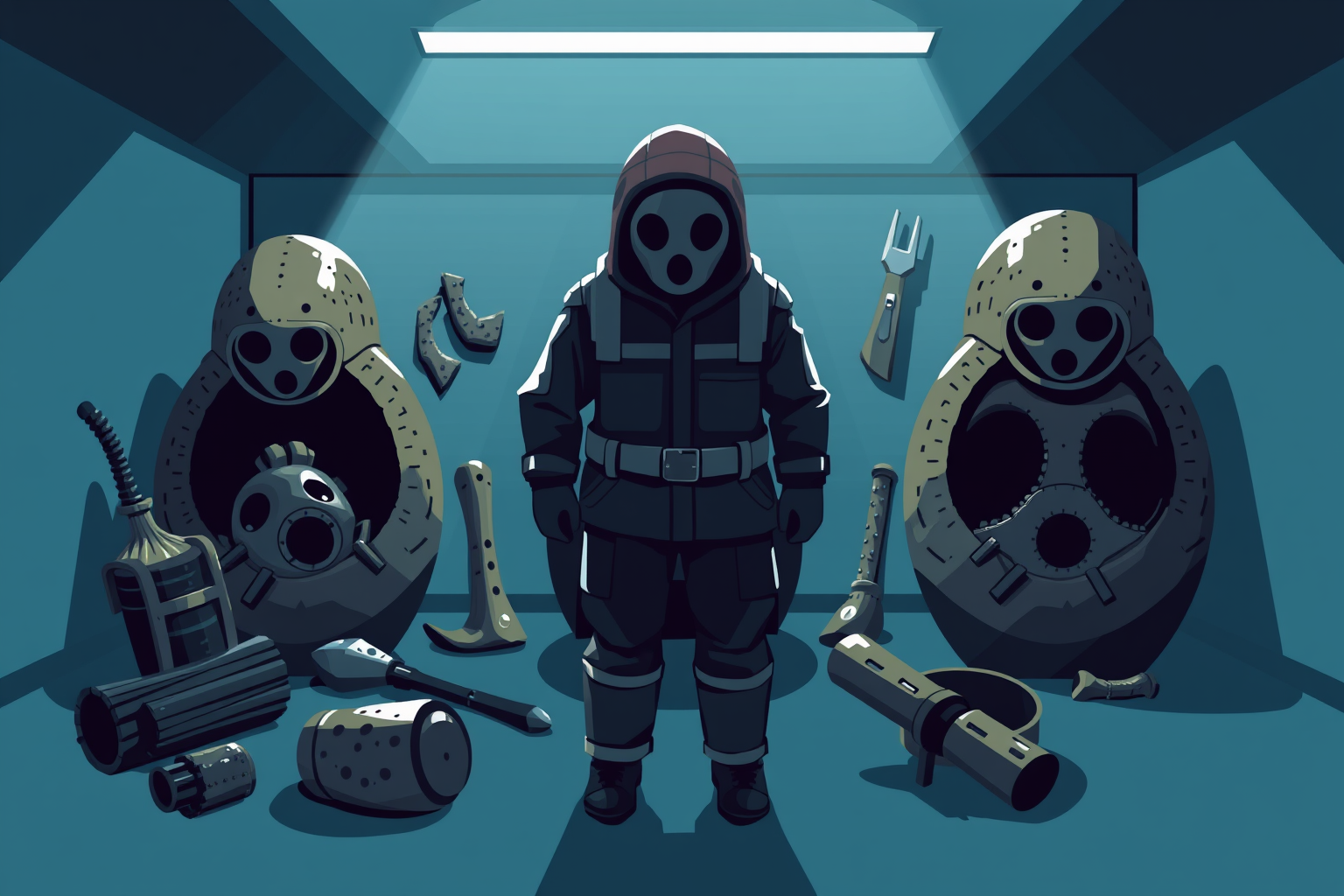
A 500-year-old carved wooden bowl, unearthed by a typhoon, set off an emergency archaeological dig on Alaska's western coast.
The day after remnants of Typhoon Halong struck the village of Quinhagak last October, Jenny Matthew and her husband rode a four-wheeler along the torn-up beach to assess the damage. Something caught her eye. "I said to my husband, look, what's that? We stopped. He got up and took it, and it was that bowl," Matthew told KYUK's Samantha Watson, reporting for NPR.
The bowl was carved by Quinhagak residents around 500 years ago. The storm had unearthed it from Nunalleq, an archaeological dig site near the village and one of the best examples of Yup'ik culture and life before Western contact. The storm scattered thousands of artifacts along the coastline.
"That's when we started riding slowly to look for artifacts," Matthew said.
A team of archaeologists is now working to recover as much as possible before the next big storm. Charlotta Hillerdal, who has excavated at the site for years, was home in Scotland when she heard the artifacts had been scattered.
"I was crying. It was a horrible feeling," Hillerdal said.
The full archaeological site covers roughly the area of two Olympic-sized pools. The emergency dig area is far smaller — about the size of a backyard pool — a hole dug around the buried remnants of several centuries-old sod houses. Hillerdal and her colleagues have been digging systematically deeper and deeper. At one point her trowel touched something solid. She brushed away the dirt to reveal the stern face of a wooden doll.
"So we have — find quite a lot of these, but this one is nice because it looks like it has a painted face, which is quite unusual," Hillerdal said.
Archaeologist Rick Knecht leads the dig. Thawing permafrost revealed significant amounts of these objects in the early 2000s, he said, and the community decided to save these pieces of their culture and contacted him. Since then, they have watched the Bering Sea creep closer and closer. Shorelines in this part of Alaska are now more vulnerable to erosion, due in part to decreasing sea ice and permafrost thaw — both trends fueled by human-caused climate change. Last October's storm closed the distance further. At some high tides, seawater now reaches into the pit.
"That's tough. It's like every bit as tough as working in front of bulldozers," Knecht said.
In October, flooding covered the site with feet of water that carried away many valuable objects when it receded. The team fears a repeat.
"I'll be d***d if I'm going to leave this for the waves," Knecht said. "It's like, you might as well take all these pieces of artwork we're finding and skip it off into the Bering Sea."
That artwork includes hand-carved animals, sewing needles, ornate wooden masks and pieces of kayaks.
For Quinhagak, the stakes are cultural as much as scientific. Elizabeth Church, director of Quinhagak Heritage Inc., the nonprofit that oversees the Nunalleq dig and manages the cultural center storing the artifacts, said seeing the objects exploded onto the beach was traumatic. It underscored the community's desire to steward their ancestors' belongings.
"We all, as humans, want to know who we are and where we come from. And having the Nunalleq there for us strengthens that," Church said. "They are interwoven into us as people. We feel a great sense of responsibility to care for them well and to take them into the future with us."
Many of the recovered objects show a history of resilience and inventiveness, Church said, including evidence of people adapting to environmental change and making technological progress.
"When you know that you come from a people that were so resilient and so capable and so talented and so smart, you get a boost, and it's amazing," she said.
The community is still repairing storm damage to homes and infrastructure. As the sea advances and the permafrost thaws, the dig at Nunalleq has become a race between the trowel and the tide — with a village's heritage hanging in the balance.
Source: NPR Arts
Tom Whitfield
Show full bio
Market editor covering industry trends and analytics at Arts & Voices.