Literature
James Marriott's The New Dark Ages: A Grandiose Defence of Reading
Times columnist James Marriott argues smartphones have killed reading and warn of a 'mystical, tribal and autocratic' future. The Guardian finds his polemic lofty but hollow.

The New Dark Ages, the new book by Times columnist James Marriott, argues that smartphones have all but killed reading — and the Guardian's reviewer finds the polemic grandiose but superficial.
Marriott opens his case with autobiography. While other children watched cartoons, he spent his school holidays in bed with piles of books, describing the habit as "a mammoth effort of attention, perhaps the greatest I ever made." His father, a teacher, instilled in him a literary zeal that Marriott calls "not exactly common in the north of England in the early 2000s."
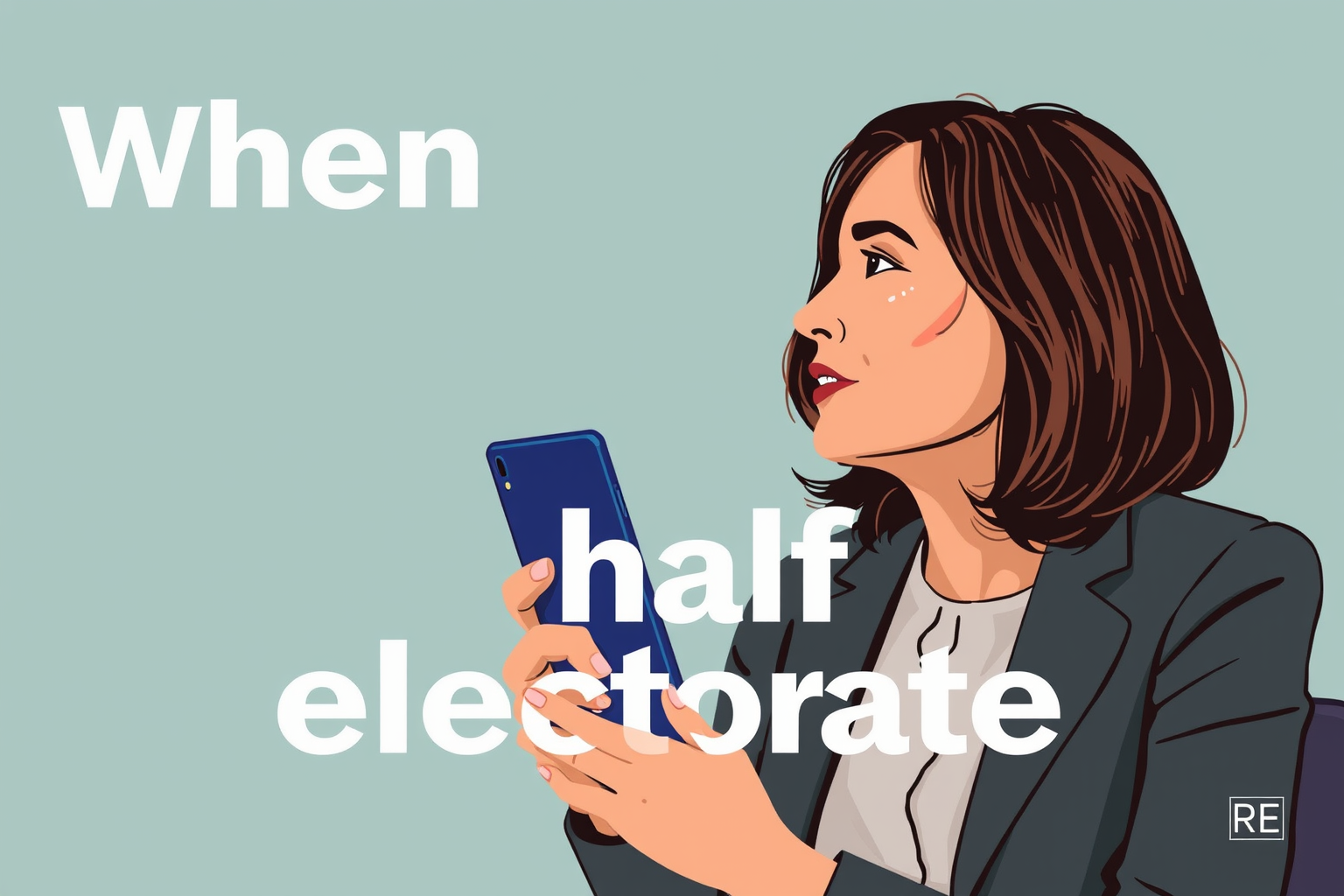
Twenty-five years later, the columnist's confidence in reading has turned to alarm. Marriott believes the smartphone has defeated the book for the average reader's attention. He surrendered his own device, conceding that "George Eliot is no match" for it. The anecdote is telling: even a professional literary obsessive, raised on books and paid to write about culture, could not resist the pull of the screen.
His argument extends beyond declining literacy. Watching the rest of society scroll, Marriott worries that the loss of sustained reading will erode more than the audience for Middlemarch. He fears a population susceptible to tyrants and anti-vaxxers, who he says are forging "a world very different to the one we have known … mystical, tribal and autocratic." The stakes, in his framing, are political: deep reading is a bulwark of liberal democracy, and its collapse opens the door to authoritarianism and conspiracy.
The Guardian's review, published on 17 September, does not buy the argument in full. The reviewer's central charge is damning in its simplicity: asked what makes books so magical, "The Times columnist somehow forgets to tell us in this lofty polemic." The book defends reading at such a high altitude of abstraction that it never lands on the concrete reasons literature matters.
That gap between ambition and evidence defines the review's verdict. Marriott reaches for civilisational stakes — tyranny, tribalism, autocracy — while offering what the reviewer calls a superficial account of reading itself. A polemic that warns of a new dark ages, the criticism implies, should first be able to explain what the old enlightenment actually consisted of.
The personal framing cuts both ways. Marriott's origin story — a bookish child in the north of England, converted to literature by a zealous father — gives the polemic warmth and specificity. It also marks its limits. His experience of reading as total, effortful devotion is not easily generalised to readers who never treated a holiday as a reading marathon, and the leap from that childhood to a theory of civilisational decline leaves questions the review finds unanswered.
The book nonetheless arrives at a moment of genuine anxiety about attention. Marriott's admission that he had to discard his own smartphone — because Eliot could not compete — is the strongest evidence he offers, and it comes from his own hand rather than from data about society at large.
Whether The New Dark Ages becomes a touchstone in the debate over reading and attention may depend on whether readers accept its premise: that what Marriott calls a "mystical, tribal and autocratic" future is the alternative the book imagines for a world that has stopped reading.
Source: Guardian Books
Grace Kim
Show full bio
Correspondent covering media and advertising at Arts & Voices.