Dance
ODC/Dance's Christian Squares: How Dance Rewired My Brain
Christian Squares of ODC/Dance tells Dance Magazine how training rewired his brain, helped him overcome a speech impediment, and led him toward somatic healing at 40.
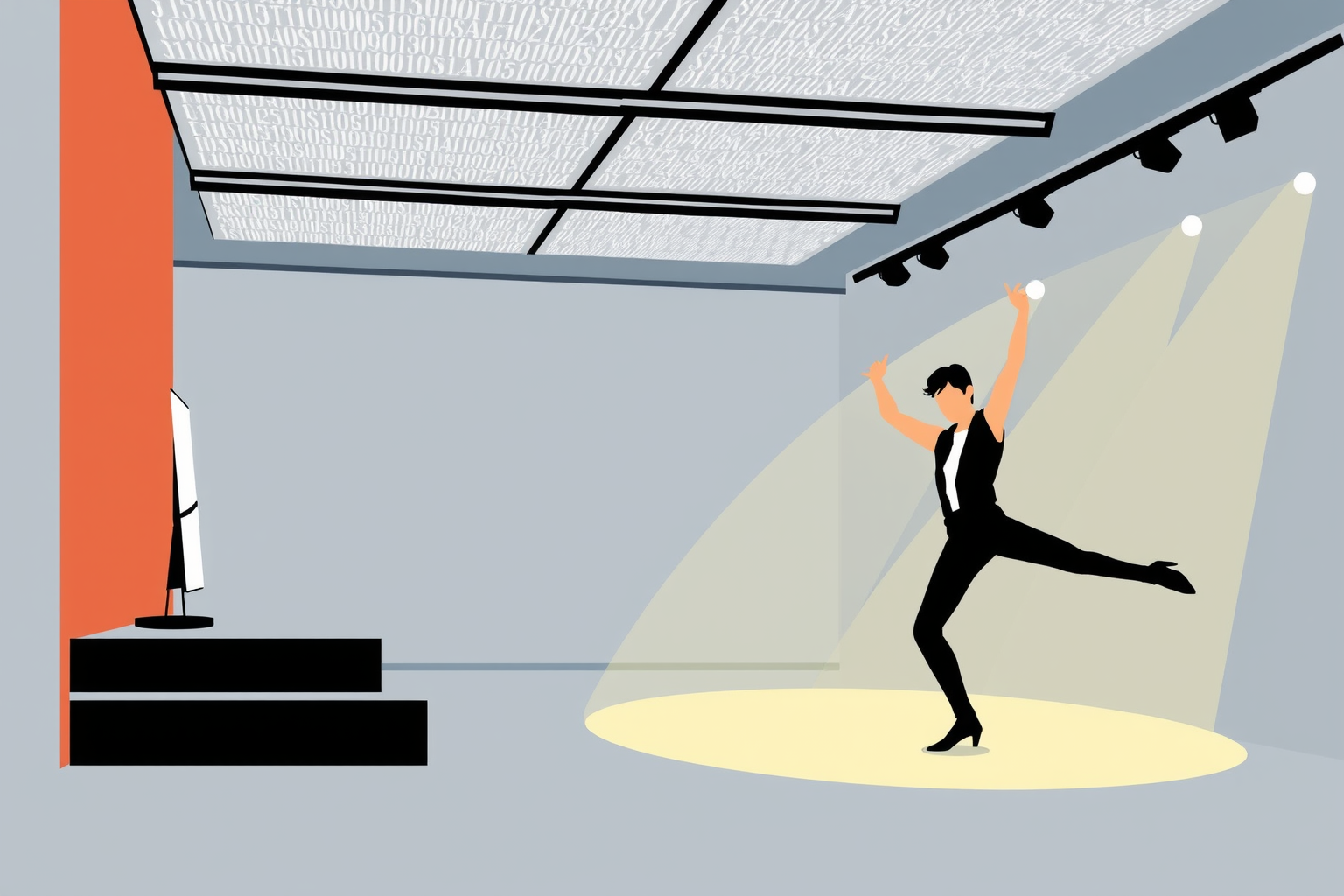
Christian Squires, a company member with ODC/Dance, credits dance with helping him overcome a severe childhood speech impediment and learning disabilities. He shared his story with Dance Magazine as he approaches his 40th birthday.
Squires was diagnosed with the speech impediment before he entered elementary school. "I could not say R's properly, and that affected my desire to speak," he told the magazine. He also had learning disabilities: "I had a high IQ, but the way I was functioning was a lot lower than my potential."
He started speech classes in kindergarten and took resource classes during recess to support his academics. The experience was isolating. "I remember feeling really alone and trapped inside myself, and I was also ostracized because I wasn't doing the same things as all the other kids," Squires said.
Squires attended an arts elementary school, where he first encountered dance. The social cost was real — "Being a boy in dance was not great" — but the pull was stronger. "Even if people were making fun of me for liking something that wasn't 'normal' for a boy, I think the freedom I found through dance made me feel confident in making choices outside the norm—like wearing pink, or feeling okay with being more emotional and sensitive," he said. In fourth grade, recognizing how important dance had become, he began training outside school.
A turning point came in seventh grade. Squires describes a cognitive shift that made him feel more secure academically. "Dance fires your left and right brain, allowing the creative and academic to connect," he said. Schoolwork, he realized, was built on formulas — and ballet was a formula too, one that had always made sense to him: "You start at the barre and move through the exercises." Ballet's structure gave him discipline; modern dance and jazz classes gave him physical freedom. "I felt like I was finally outside of my head, and academics started making sense. Things just got better and better."
The changes ran deeper than grades. "I think dance rewired my brain," Squires said. "Dance let me find my voice, literally and figuratively." In 10th grade he left for boarding school and came out as gay to his parents — an authenticity he traces directly to his comfort in dance.
Today, Squires speaks in front of the ODC board of directors and in front of audiences. Reflecting on four decades, he frames his early struggles as the source of his perseverance: "Without my struggles, I wouldn't have the same perseverance. It forced me to do the extra work to find myself and my voice."
His next chapter extends the arc outward. Squires is now exploring somatic healing, aiming to use dance and movement to help others release stored trauma. "My childhood hardship is pushing me into what I'm going to be doing next in my adult life: giving back and helping other people release stored-up hurt," he said.
Source: Dance Magazine
Tom Whitfield
Show full bio
Market editor covering industry trends and analytics at Arts & Voices.