Museums & Exhibitions
She Saw Genius Where the World Saw 'a Madman': Helene Kröller-Müller
Helene Kröller-Müller built the world's second-largest van Gogh collection. Now, for the first time in decades, her paintings hang together again in a Dutch forest.

Helene Kröller-Müller assembled the world's second-largest collection of paintings by Vincent van Gogh. For the first time in decades, the museum that bears her name is showing those works together again — in a Dutch forest.
The reunion matters because the collection itself is a historical argument. At a moment when much of the world dismissed van Gogh as, in the phrase of the period, "a madman," Kröller-Müller looked at the canvases and reached a different conclusion. She saw genius. She then acted on that judgment with unusual decisiveness, buying works on a scale that no other private collector of her generation would match. Only the Van Gogh Museum in Amsterdam and the custodians of the artist's own legacy hold more of his paintings today.
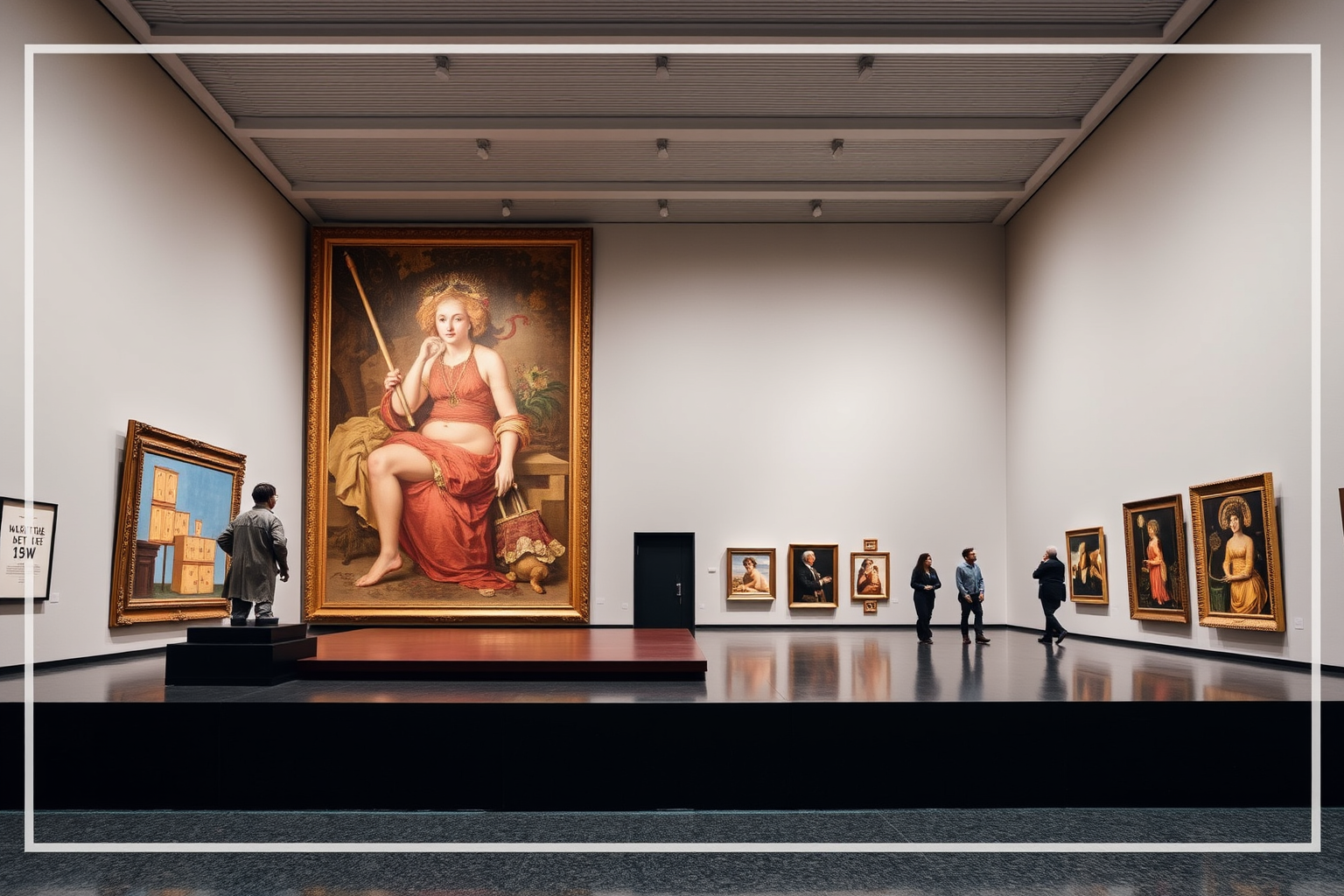
That fact alone makes the current display an event. Collections of this size rarely travel, and they more rarely reconvene. The venue adds a layer that is difficult to separate from the story of the woman who built the holding: the gallery she founded sits in woodland in the Netherlands, deliberately removed from the urban museum circuit. Visitors reach the paintings through trees. It is an installation choice that Kröller-Müller herself set in motion, and it still shapes how her van Goghs are encountered.
The timing of the presentation — the first gathering of these paintings in decades — invites a reappraisal of the collector as much as the collected. History has largely settled the argument about van Gogh in her favor. The argument about Helene Kröller-Müller, the woman who committed money, attention and reputation to that position early, is still being written. What the show offers is the physical evidence: the paintings, side by side, in the place she intended for them.
For anyone tracing the reception of van Gogh — the distance between the "madman" label and the market's and museums' current estimation of him — Kröller-Müller's collection is among the clearest documents available. It records not just what one buyer acquired, but when she acquired it, and against what consensus.
The display runs in the Dutch forest that has housed the collection since its founding. Whether the paintings will be shown together again on this scale after this presentation is not something the museum has announced — which is, in itself, a reason to go now.
Source: NYT Arts
Tom Whitfield
Show full bio
Market editor covering industry trends and analytics at Arts & Voices.