Dance
The Royal Ballet Invented a Job for Charlotte Edmonds. Her Career Since Tells a Bigger Story
A decade after the Royal Ballet created a 'young choreographer' post for her at 18, Charlotte Edmonds works across film, adverts, NFTs and advocacy — a map of dance's new precarious directions.
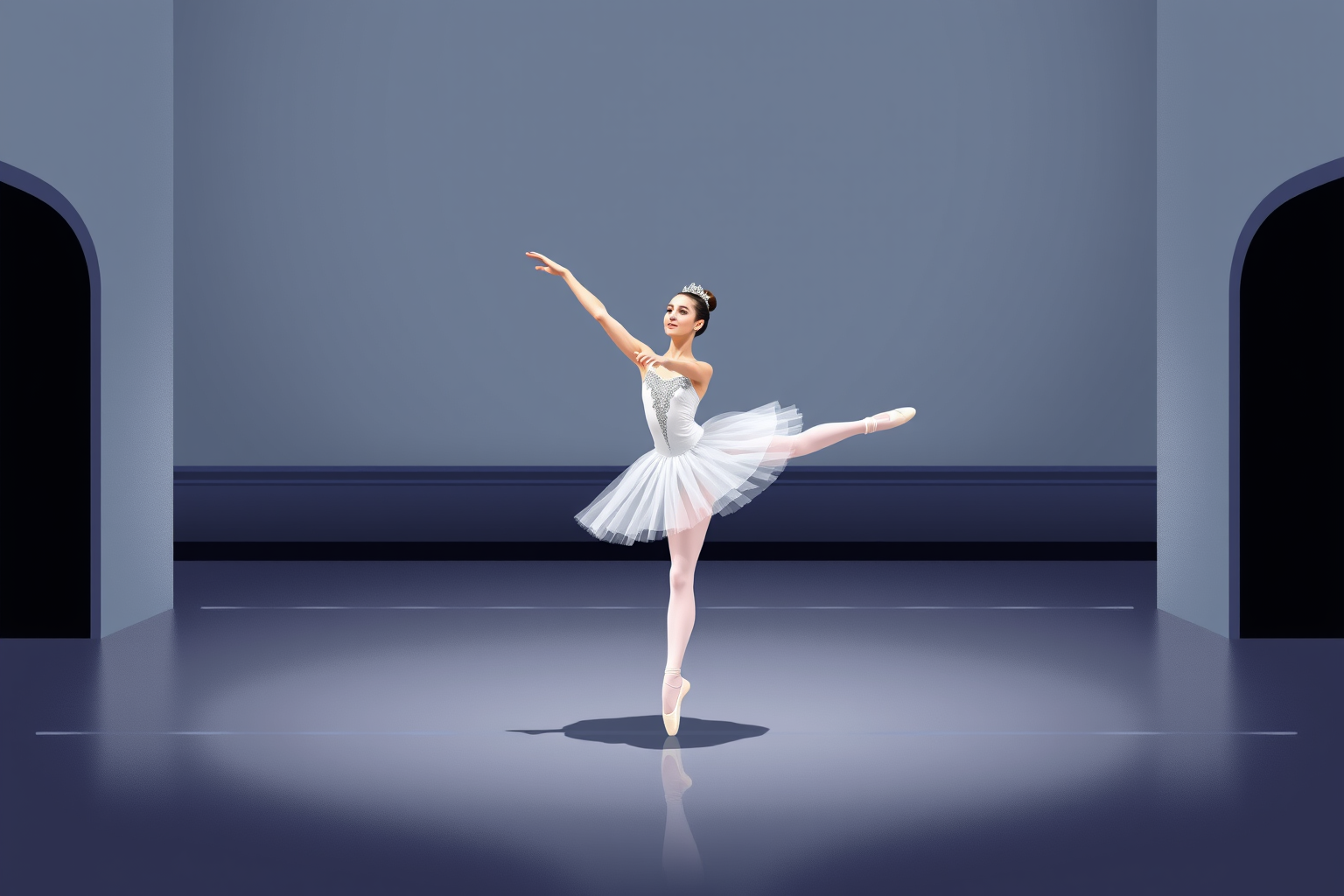
At 18, Charlotte Edmonds was such a promising choreographer — "astonishing", in the words of the Observer — that the Royal Ballet invented a whole new job for her. The company named her its first "young choreographer", a post that came with a three-year residency at the Royal Opera House, spent learning everything she could inside one of the world's biggest dance institutions.
"It's mad to think that happened," Edmonds says, a decade on.
That kind of start might suggest a predictable trajectory: choreographing for the major ballet brands, perhaps founding her own company. That is not exactly how it has gone. Instead, Edmonds' eclectic portfolio traces how the dance industry has changed over the past ten years — growing more precarious, yes, but also expanding into directions no institutional career path once anticipated.
She has made short works for a number of European ballet companies. But recently she has spent more of her time making films, music videos and adverts for brands including Budweiser and Nike. She has created NFTs. And she has become an advocate for artists with dyslexia.
Edmonds has also launched her own video series, Cameo, in which she interviews female and non-binary choreographers. The project is a direct response to a lack of representation in the field — a gap she has experienced first-hand and has chosen to address with her own platform rather than wait for institutions to close it.
Taken together, the decade since her Royal Opera House residency reads less like a departure from institutional dance than a map of where the work actually is now. The stage remains one outlet among several; screens, brands and self-produced media have become parallel venues for choreographic practice.
Her trajectory also illustrates the economics beneath the shift. A residency invented for a single "young choreographer" offered unusual institutional backing at the start; sustaining a career since has meant building a diversified portfolio across commercial, digital and advocacy work — precisely the kind of hybrid practice that a new generation of dance-makers now navigates by default.
What began as a bespoke post created for one teenager now looks like an early signal of an industry redistributing itself across stages, screens and platforms that did not exist, or barely did, when she started.
Original: charlotteedmonds.com
Daniel Okafor
Show full bio
News editor covering consumer brands and retail at Arts & Voices.