Film & Screen
The Scout Review: A Film That Watches Life in Wide, Patient Frames
The review calls The Scout a quietly observational film that mirrors its protagonist's perspective in wide shots witnessing life unfold in real time.
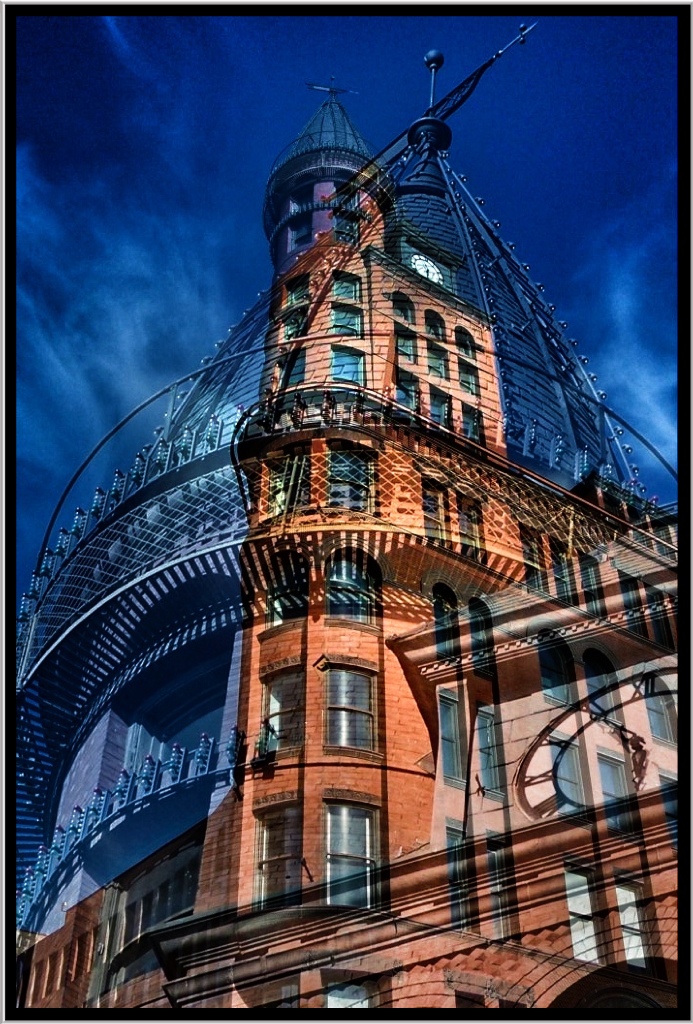
The review of The Scout, published under the headline "Location, Location, Location," identifies a single organizing principle at the heart of the film: place. The critic's verdict is contained in one sentence, but it carries a full aesthetic argument: "This quietly observational film mirrors its protagonist's perspective in wide shots that witness life unfolding in real time."
That sentence does a lot of work. Each phrase names a deliberate formal choice, and together they describe a film built on restraint rather than momentum.
Start with "quietly observational." The adjective places The Scout in a recognizable lineage of cinema that favors watching over explaining — films that withhold editorializing and let the camera register behavior. The review signals that the film asks something of its audience: attention, and the patience to draw conclusions the film itself will not hand over.
The phrase "mirrors its protagonist's perspective" is the review's central claim about technique. The camera does not merely follow the scout; it adopts a way of seeing. According to the critic, the film's visual grammar and its central character's outlook are one and the same. When the frame holds back, so does the protagonist. This alignment of form and psychology is what the review rewards — the style is not decoration but characterization.
The "wide shots" carry that mirroring further. A wide frame keeps its distance. It declines the close-up's intimacy and the cut's urgency. Instead, it positions the viewer where the protagonist stands: at a remove, taking in a whole scene at once, alert to everything happening within the frame's edges. The critic's word choice matters here — the shots "witness" rather than record or capture. Witnessing implies presence, neutrality and sustained attention. Nothing is excerpted. Everything is seen.
"Life unfolding in real time" completes the picture. The review indicates that The Scout refuses compression. Durations stay honest to the events they contain, and the wide shots hold long enough for situations to develop inside them without editorial interference. The film trusts that unscripted texture — pedestrians, weather, the incidental movement of a place — will carry meaning on its own.
The headline, "Location, Location, Location," reads as both joke and thesis. The borrowed real-estate mantra usually promises that setting determines value. Here it suggests that in The Scout, location determines meaning: what the film knows, it knows by standing somewhere and watching. The scout's vantage becomes the film's vantage becomes the viewer's.
What the review finally describes is a work of cinematic empathy through form. By fixing its camera at a distance and letting duration run, The Scout makes the audience occupy its protagonist's patient, watchful position — an approach that will reward viewers willing to meet the film on those terms.
Source: NYT Arts
Elena Vasquez
Show full bio
Senior reporter covering media and advertising at Arts & Voices.