Andrew Scott Plays Ian Charleson Dying of AIDS in New Film Elsinore
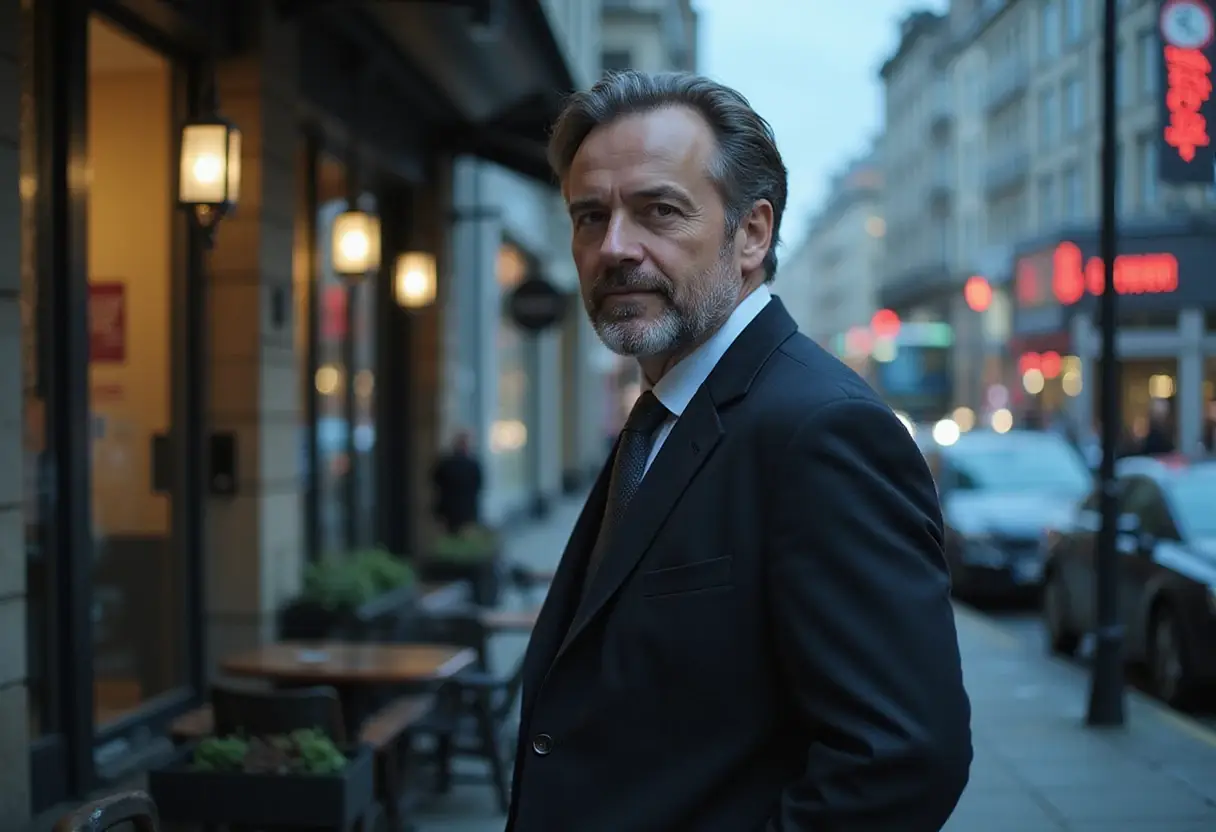
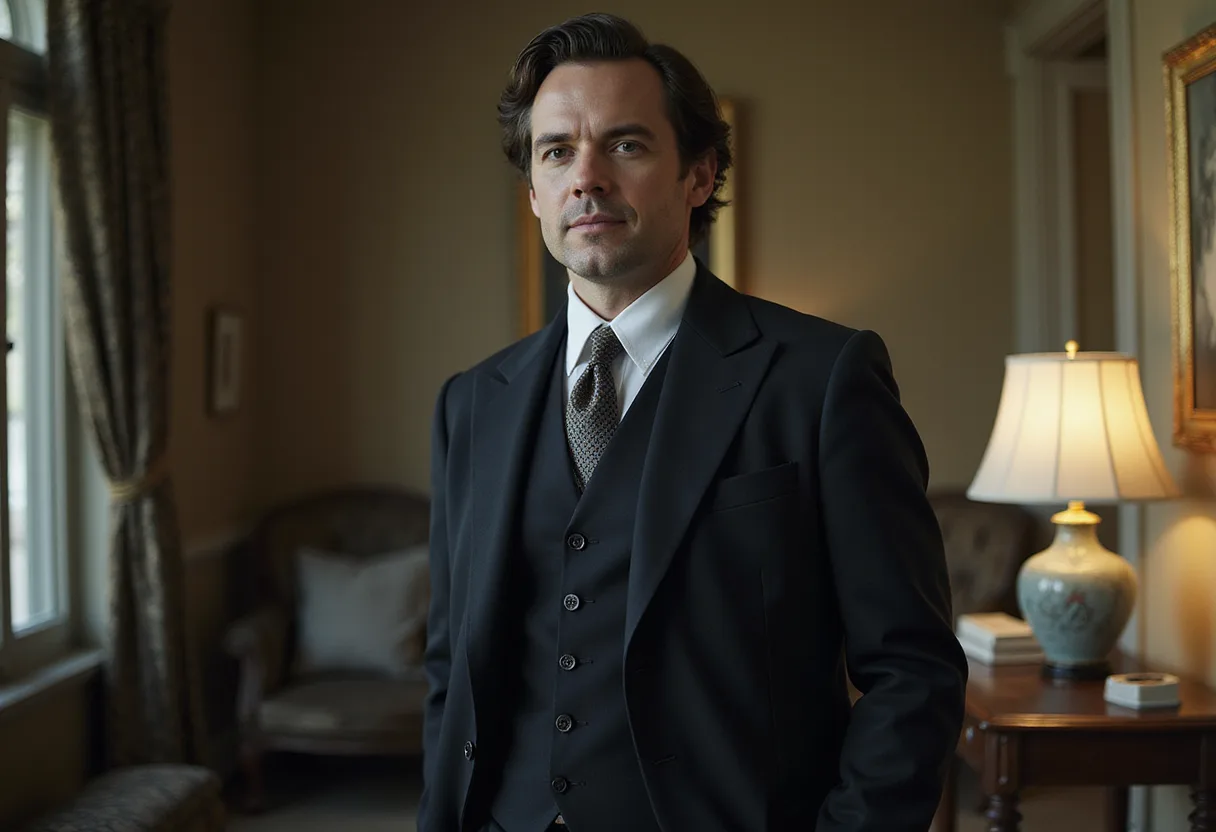
Andrew Scott plays Ian Charleson, the Chariots of Fire actor who played Hamlet at the National Theatre in 1989 while dying of AIDS, in the new film Elsinore, he told NPR's Ailsa Chang.

Programme
- Ian Charleson played Hamlet at London's National Theatre in 1989 while dying of AIDS
- Andrew Scott has played Hamlet on stage 150 times
- No recordings of Charleson's Hamlet exist
- Charleson starred in the Oscar-winning 'Chariots of Fire'
- Charleson said he would rather die of Hamlet than of AIDS
Ian Charleson played Hamlet for the last time in 1989, onstage at London's National Theatre, while dying of AIDS. Andrew Scott now plays him in the new film "Elsinore," which argues that Charleson's decision to take on the most demanding role in theatre meant spending his final months living rather than dying.
Scott has played the Prince of Denmark on stage 150 times himself. He discussed the role with NPR's Ailsa Chang.
How did Scott approach playing Hamlet inside Hamlet?
The actor described the film as a Russian doll effect: himself playing Charleson playing a part he knows intimately. "I sifted through the play, kind of almost imagining I was Ian reading the play," Scott said, "at that particular stage in his life to try and take out bits that I think would be very prudent for him."
His key insight connected Hamlet's story before the play begins with Charleson's. "We all think of Hamlet as the moody prince," Scott said. "But that's a very particular time in his life." He asked who Hamlet was before his mother married his uncle two months after his father died — and, in the same way, who Ian was "before the virus really took its toll on him."
No recordings of Charleson's Hamlet exist. Scott relied on testimony from people who saw it. "Most people said that it was sort of spellbinding," he said, noting Charleson dispensed with affectation and did not look like himself by the end. "That to me was very enormously courageous of him."
What does the role reveal about Charleson?
Charleson was known for the Oscar-winning film "Chariots of Fire," in which he played a runner, but he was not a household name. Chang noted his reported defiance: he said he would rather die of Hamlet than of AIDS.
"I think it shows enormous courage," Scott said of the decision. "It's going, I'm going to give — he gave himself a present." Friends told Scott the work gave Charleson an escape from hospital waiting rooms and treatment rooms. "He would go from there and he would go to the theatre and have fun."
Scott also understood why Charleson delayed telling his fellow actors about his illness. The role freed him from being defined only by the disease.
Does the film celebrate the actor over the fame?
Scott believes it does, deliberately. "Equating success as an actor with fame as an actor — they are not the same thing," he said. "What we need to do is amplify his achievements," not his fame.
He also defended the film's portrayal of the National Theatre company as uniformly supportive. Some viewers asked why fear or disdain within the company was not depicted. "The answer to that is that that just didn't happen," Scott said. "It's the truth. It's just simply the truth."
Scott said he felt "a strange kinship" with Charleson and a running dialogue with him about acting, hoping "he would forgive me things" in the portrayal.
"Elsinore" also functions, in Scott's view, as an ode to stage actors and the physical toll of their craft — "being a stage actor is really, really tough," he said. The film now carries a 1989 performance, witnessed only in a theatre, to audiences Charleson never reached.
Source: NPR Arts
More from Marcus Bennett
Show full bio
Staff writer covering people, launches and day-to-day practice in arts in the broadest sense at Arts & Voices.
1,638 articles