Elsinore review finds Andrew Scott’s Hamlet performance overwrought
The Film Stage faults Simon Stone’s Elsinore for fragmenting Andrew Scott’s performance as Ian Charleson through heavy-handed montage, manipulative scoring and an overt awards pitch.

Programme
- Elsinore premiered at the 2026 Toronto International Film Festival and opens in theaters on November 20.
- Andrew Scott plays Scottish actor Ian Charleson, whose 24-show Hamlet run ended weeks before his death.
- The film opens with Daniel Day-Lewis abandoning Hamlet at the National Theatre in 1989, then rewinds one month.
- Valerio Bonelli edited the film, Stephen Beresford wrote the screenplay and Stefan Gregory composed the score.
- The Film Stage calls Elsinore “prime overwrought awards bait.”
By Marcus Bennett
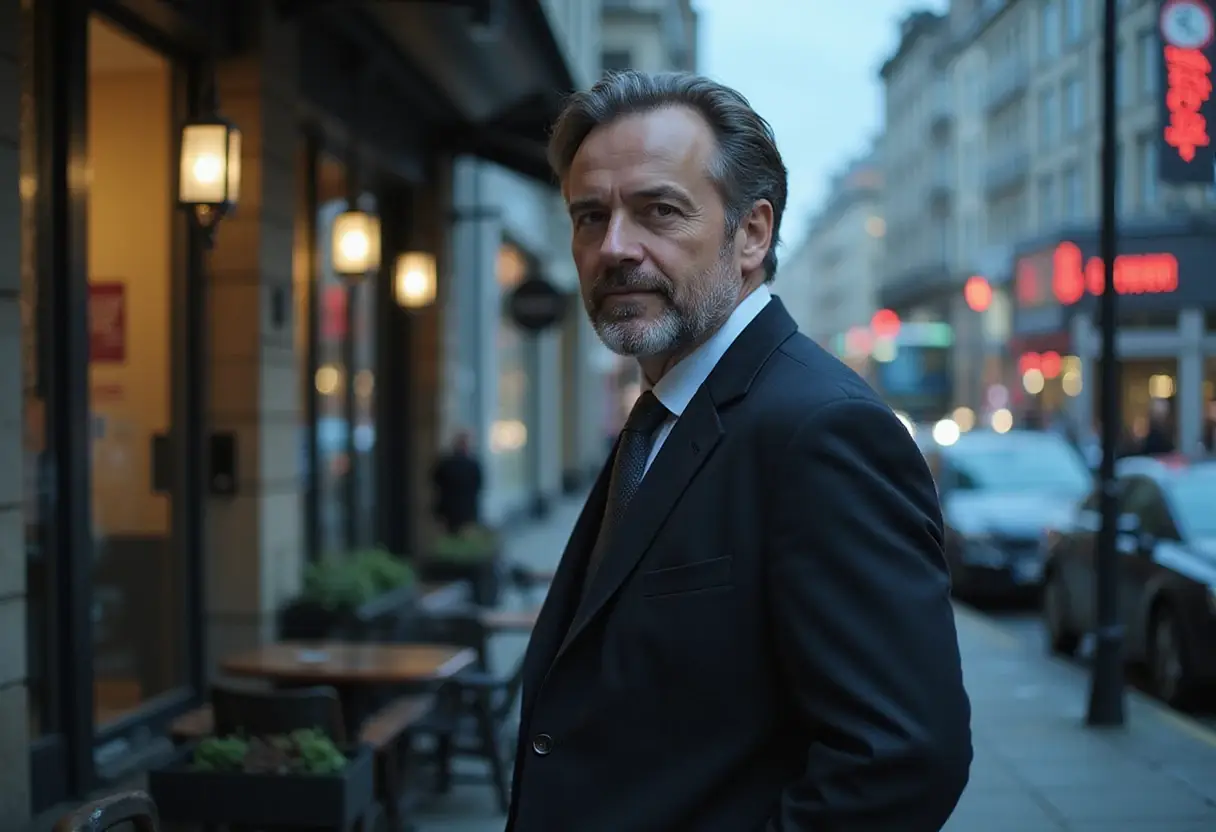
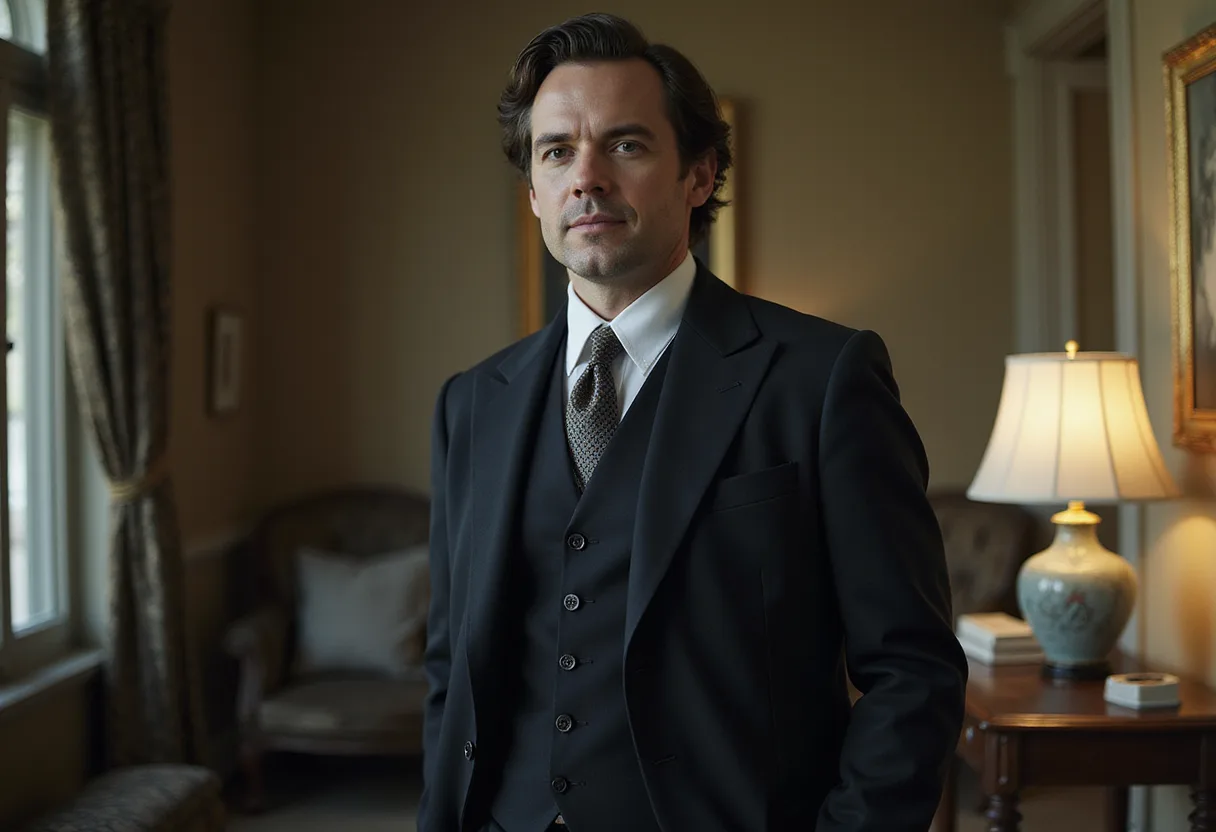
Andrew Scott stars as Ian Charleson in Simon Stone’s Elsinore, which premiered at the 2026 Toronto International Film Festival and opens in theaters on November 20. The Film Stage’s review, first published in its 2026 TIFF coverage, calls Elsinore “prime overwrought awards bait” and presents it as Scott’s big solo showcase.
The Film Stage describes Scott as the Irish actor best known for his Fleabag role as the Hot Priest and as a well-respected stage and screen performer. It identifies Charleson as a Scottish actor who died from complications of AIDS months after portraying Hamlet on stage. The review credits Scott’s commitment but argues that the film makes his performance impossible to assess.
Charleson’s final months
In The Film Stage’s account, Elsinore opens with Daniel Day-Lewis abandoning Hamlet during a 1989 National Theatre production after a breakdown mid-performance. The film then moves back one month to Charleson, still acting while concealing his worsening illness, and establishes his clear preference for the stage over film work.
The review also establishes Charleson’s irritation at his success as the lead in Chariots of Fire (1981), with Vangelis’s theme returning whenever Charleson appears. It shows his envy of Day-Lewis playing Hamlet.
Richard Eyre, played by Johnny Flynn, offers Charleson the role. The review calls it his defining part, which arrives just as Kaposi’s sarcoma lesions appear. Charleson sees them as the beginning of the end.
A performance lost in montage
According to The Film Stage, Stone and editor Valerio Bonelli compress Charleson’s final months into montage, while Stefan Gregory’s overbearing score supplies strings and solemn piano chords. Charleson divides his time between rehearsals and an AIDS clinic run by a no-nonsense doctor played by Olivia Colman. The score follows him as his body buckles under the workload.
The critic calls these devices vacuous, lazy and tasteless. The review describes the camera panning across bedridden AIDS patients under somber music as crass manipulation, while noting that familiar tearjerker conventions have dulled viewers’ resistance to such devices.
The edit breaks Scott’s performance into fragments, with emotional cues from the score supplying its support. It chops a dance number involving Charleson and several clinic patients among reaction shots and shots of Colman watching through a window, leaving the sequence close to incoherence. The Film Stage says the editing sidelines the ensemble and dissolves scenes before they develop.
What does the verdict change for Scott?
The Film Stage credits Stephen Beresford’s screenplay with introducing the political context of the AIDS pandemic through a subplot involving Charleson’s old friend and lover Derek Jarman, played by David Dawson. Jarman scolds Charleson for refusing to go public about his illness.
The review describes Stone’s direction as dull and Bonelli’s editing as a horror show. It says Stone and Bonelli reduce the political subplot to a perfunctory signpost.
The film eventually intercuts clips of Charleson performing Hamlet with his physical agony, Colman’s doctor thawing her cold heart, and clinic patients celebrating a rave newspaper review. The Film Stage notes that Charleson’s run lasted 24 shows and that he died weeks after his final bow.
The Film Stage believes Charleson’s final months could provide an uplifting yet bittersweet celebration of his fighting spirit and a direct demonstration of art’s power. Instead, the film offers only an arm outstretched from the screen, palm open, with a single demand: “Trophy, please.”
It treats the film as a star vehicle designed to force tears and court Scott’s attention among awards voters at luncheons and cocktails over the coming months.
The verdict positions Scott for awards attention without establishing his range, because Stone’s editing withholds the sustained performance needed to judge it. The critic expects that attention to dissipate as quickly as the film’s engineered sentiment once Elsinore opens on November 20.
Source: The Film Stage
More from Marcus Bennett
Show full bio
Staff writer covering people, launches and day-to-day practice in arts in the broadest sense at Arts & Voices.
1,635 articles