AquaRio Puts R$ 10 Million Into Marine Research
Grupo Cataratas will invest R$ 10 million in AquaRio research at R$ 1 million a year from 2027 to 2036, as the Rio aquarium marks a decade hosting 9.5 million visitors.
Programme
- Grupo Cataratas will invest R$ 10 million in AquaRio research, R$ 1 million annually from 2027 to 2036.
- AquaRio turned ten on 9 November 2016 opening date, having received 9.5 million visitors from 190 countries.
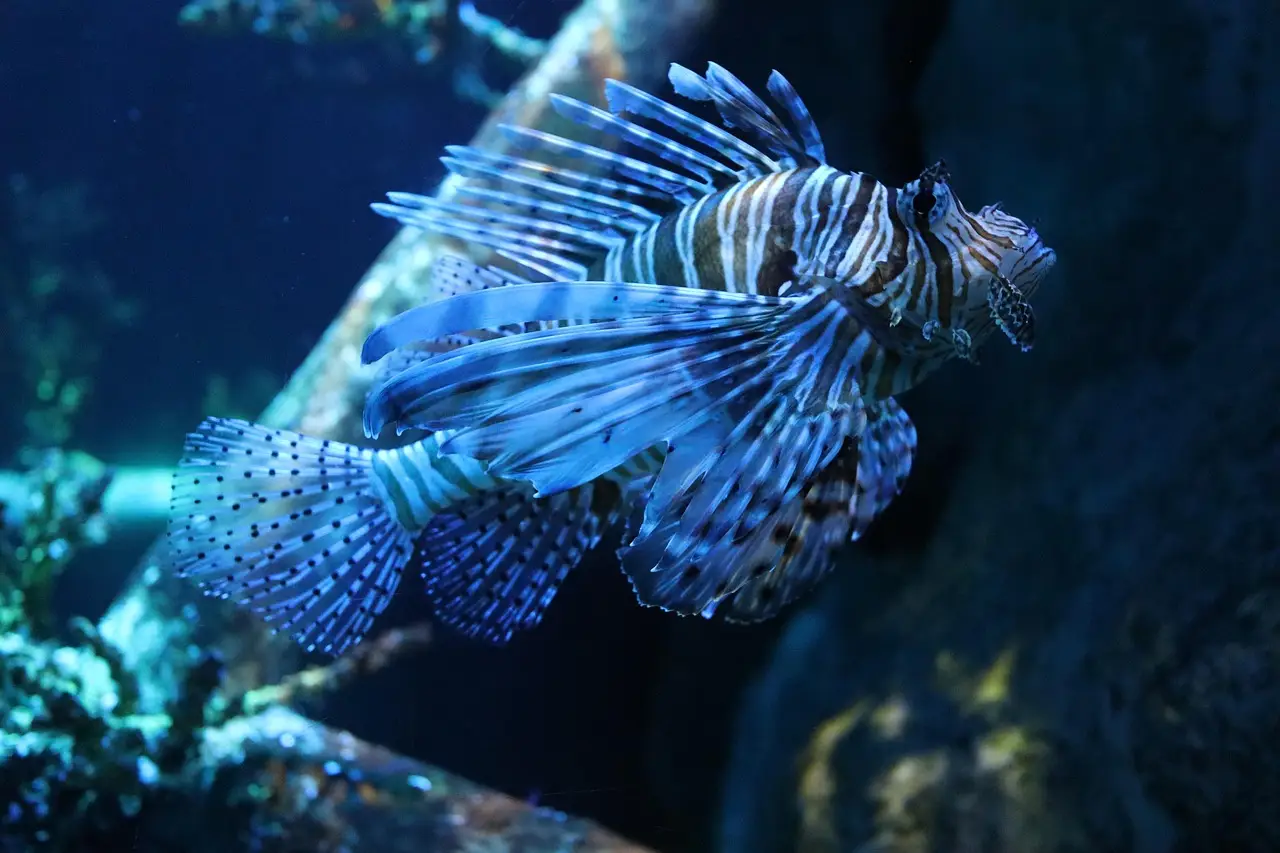
- The aquarium holds 10,000 animals of 350 species in 28 enclosures and circulates 4.5 million litres of water.
- Over 2,000 solar panels supply up to 30% of monthly electricity, avoiding 320 tonnes of CO2 per year.
- Work with 280 researchers from 71 organisations in 12 countries produced the breeding of the endangered butterfly ray.
Grupo Cataratas, the operator of Rio de Janeiro's AquaRio, has committed R$ 10 million to scientific research at the aquarium, disbursing R$ 1 million a year from 2027 through 2036. The announcement landed as the institution marked ten years of continuous operation.
The aquarium sits in the city's Zona Portuária, inside a converted former cold-storage plant. Marine biologist Marcelo Szpilman conceived the project, which opened on 9 November 2016. Since then it has received 9.5 million visitors from 190 countries.
What does R$ 10 million buy?
The commitment funds the aquarium's scientific program, which currently coordinates more than 30 studies on animal health, ecosystem conservation and the breeding of species at risk. The institution has already worked with 280 researchers from 71 organisations across 12 countries. That collaboration produced the breeding of the butterfly ray (raia-borboleta), a species threatened with extinction. A decade-old aquarium out-publishing some universities is not the usual anniversary story. Here it is.
The aquarium also runs animal rescue, taking in creatures that cannot survive alone in the wild.
How do you keep 10,000 animals alive?
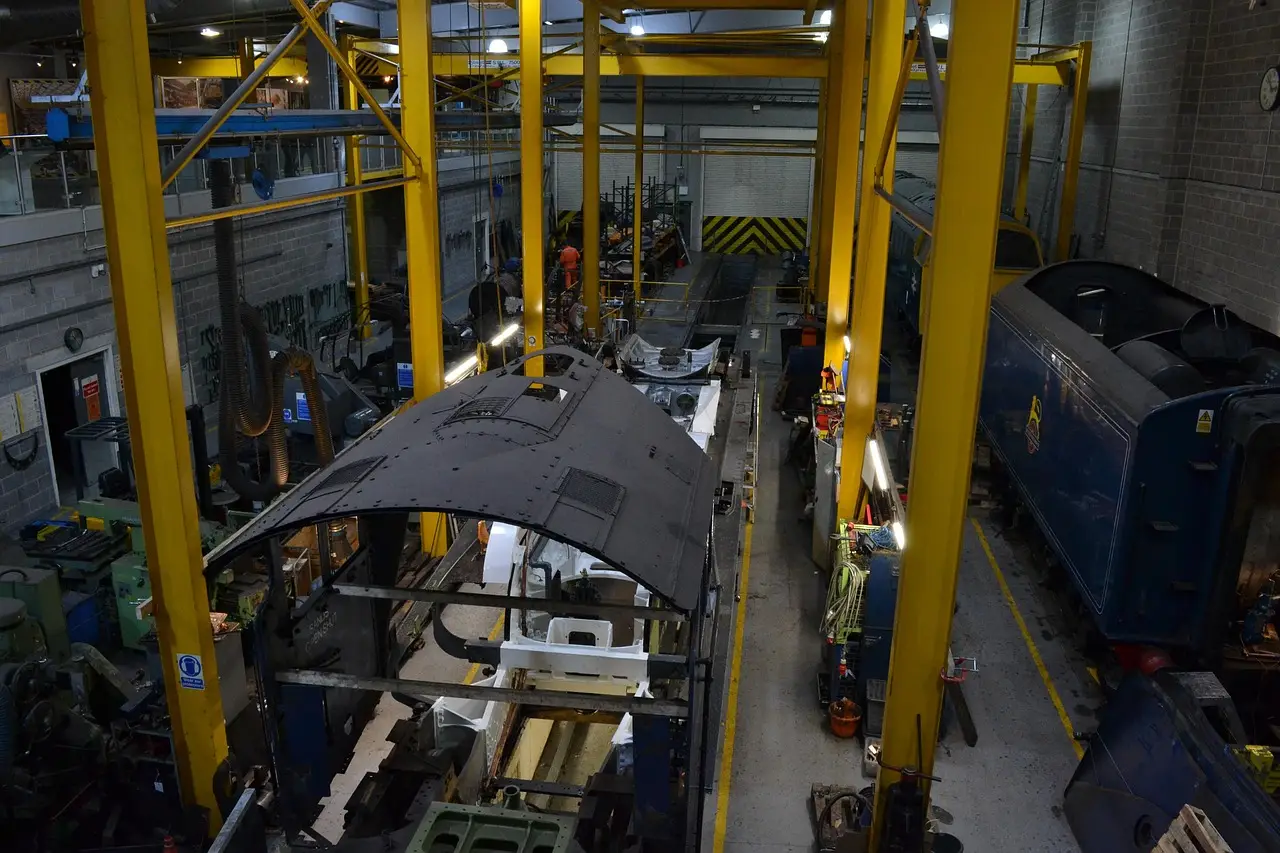
The complex holds 10,000 animals across 350 species, housed in 28 enclosures. The operation circulates 4.5 million litres of water. The main attraction, the Recinto Oceânico, is seven metres deep and contains 3.5 million litres — 78% of the aquarium's total volume. Twenty large pumps and specialised filters move that water and keep it fit for sharks and rays. Maintaining shark-quality water at that scale is roughly comparable to running a small water treatment plant that never closes.
Behind the public route, the 26,000-square-metre site includes restricted areas for quarantine, food preparation and veterinary care.
What about the energy bill?
More than 2,000 photovoltaic panels on the roof supply up to 30% of monthly electricity consumption. According to the institution, the measure avoids 320 tonnes of carbon dioxide emissions per year. Talita Uzeda, the aquarium's director of sustainability and workplace safety, said the remaining consumption is met by clean sources.
The pledge of R$ 1 million annually, sustained across a decade, gives the research program a horizon few Brazilian cultural institutions enjoy. If the butterfly ray's breeding record is any guide, the money arrives at a program that already knows how to spend it.
Source: brasilemfolhas.com
More from Daniel Okafor
Show full bio
News editor covering companies, deals and strategy in arts in the broadest sense at Arts & Voices.
1,732 articles