Rio Weighs Land-Swap Deal to Rescue the Palacete São Cornélio
Rio's council debates a bill on June 24 allowing new construction on the Glória plot of the 1862 Palacete São Cornélio, shut since 1999, in exchange for a R$25 million restoration.
Programme
- Public hearing on bill PLP 86/2025 set for June 24 at 10h at Rio's city council.
- The Palacete São Cornélio dates to 1862, was listed by Iphan in the 1930s, and has been closed since 1999.
- Full restoration is estimated at R$25 million; the property was offered for sale at R$30 million in 2024.
- The plot covers about 5,000 square metres at the start of Rua do Catete and belongs to Santa Casa da Misericórdia.
- The bill grants new floors in exchange for restoration, a commercial façade and street improvements between Rua Santo Amaro and Rua Benjamin Constant.
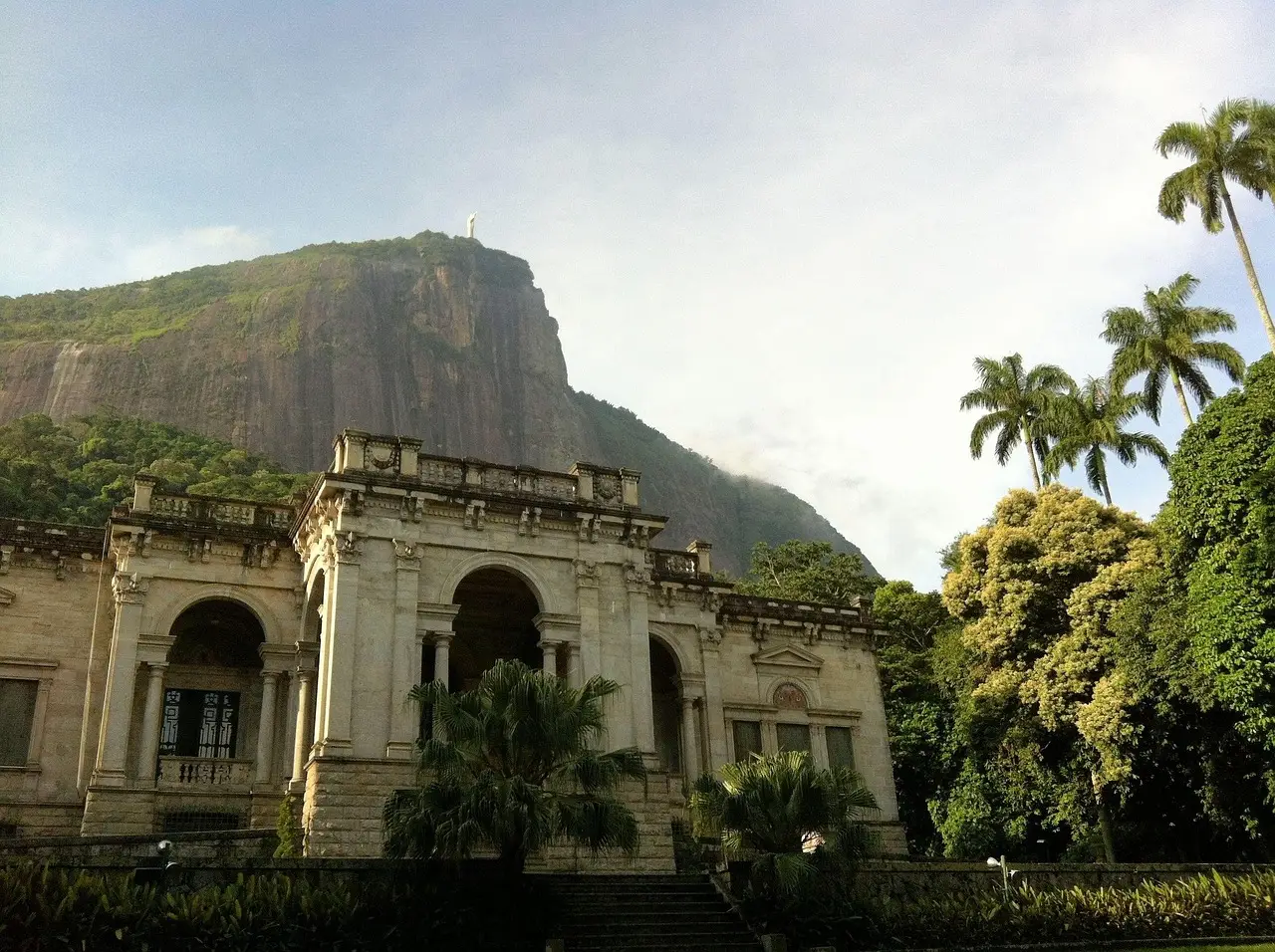
Rio de Janeiro's city council holds a public hearing on Tuesday, June 24, at 10h, on a bill that would trade new construction rights for the restoration of the Palacete São Cornélio, a nationally listed 1862 mansion in the Glória district that has stood closed since 1999.
The bill, Projeto de Lei Complementar nº 86/2025, changes the urbanistic parameters (the rules governing what can be built and how high) on the mansion's roughly 5,000-square-metre plot at the start of Rua do Catete. The land belongs to Santa Casa da Misericórdia, the charitable institution that also runs Rio's oldest hospital.
Why the mansion has sat empty for 26 years
Money and regulation are the mechanism here. The owner estimates a full recovery of the palacete at R$25 million. On top of that, the building has been listed (tombado, legally protected) by the Instituto do Patrimônio Histórico e Artístico Nacional (Iphan) since the 1930s — and that protection covers not just the façade but the interiors too, which sharply limits what any commercial buyer can do with it.
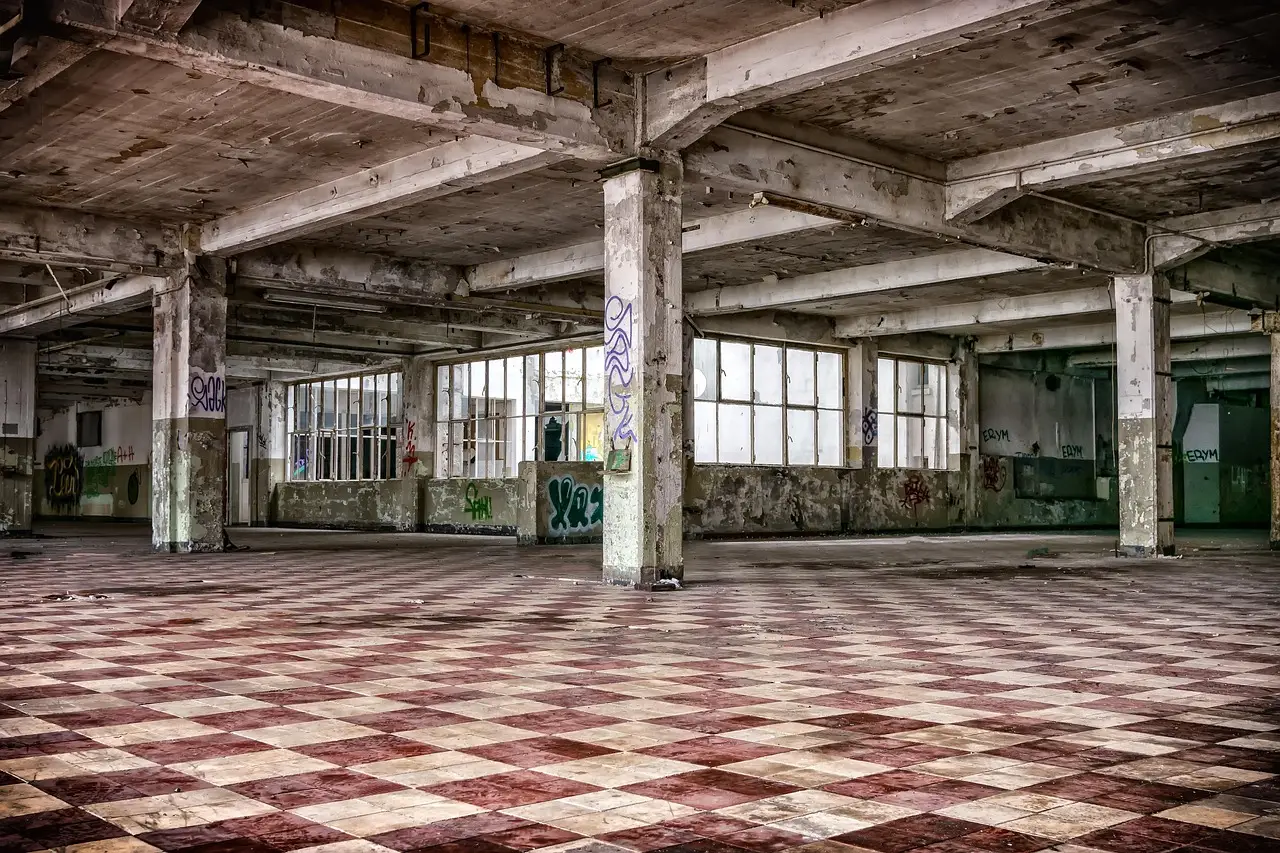
In 2024, the property was put up for sale at R$30 million. No deal materialised. Meanwhile the abandonment has taken a visible toll: structural damage, broken windows and deteriorating walls. The frescoes in the grand salon, depicting scenes from the Paraguai War, also need restoration.
What does the bill actually change?
The practical question a reader might ask: what does this change for the building? In short, it creates a trade. The future developer gets permission to add new floors (pavimentos) on the plot. In exchange, the developer must meet a set of obligations:
- restore the palacete itself;
- install a commercial façade;
- upgrade public lighting and pavements between Rua Santo Amaro and Rua Benjamin Constant.
That structure — extra building rights in exchange for conservation work and street-level improvements — is the standard mechanism cities use when a listed property's repair bill scares off the market. The bill essentially prices the restoration into the deal.
Who is in the room
Councilman Pedro Duarte (PSD), who chairs the council's urban affairs committee, said an understanding is being built with other government bodies to carry out the work with private money. He also stressed that public debate matters before the text is finalised.
Tuesday's hearing brings together representatives of the Ministério Público Federal, Iphan, the Instituto Rio Patrimônio da Humanidade, the city's urban development and licensing secretariat, Santa Casa da Misericórdia and the firm SWOT Perícias.
If the bill advances with those bodies aligned, the Palacete São Cornélio gets its first credible restoration pathway in a quarter-century — paid for by density, not by the public purse.
Source: brasilemfolhas.com
More from Grace Kim
Show full bio
Correspondent covering technology and product news in arts in the broadest sense at Arts & Voices.
1,768 articles