Bayeux Tapestry's Return to Britain Spurs 1066 Re-enactment
The Bayeux Tapestry returned to Britain this year, drawing spectators to a 1066 Battle of Hastings re-enactment almost a millennium after the original clash on an English field.
Programme
- The Battle of Hastings was fought on an English field almost a millennium ago
- The Bayeux Tapestry depicts the 1066 battle
- A Battle of Hastings re-enactment drew spectators in England this year
- The Bayeux Tapestry's visit to Britain was the trigger for the restaging
- The re-enactment involved history enthusiasts in period kit and replica arms
Bayeux Tapestry's Return to Britain Spurs 1066 Re-enactment
Medieval cloth's homecoming pulls history buffs into period dress almost a millennium after Hastings
The Bayeux Tapestry returned to Britain this year. History buffs, sensing an opening, restaged the battle it depicts.
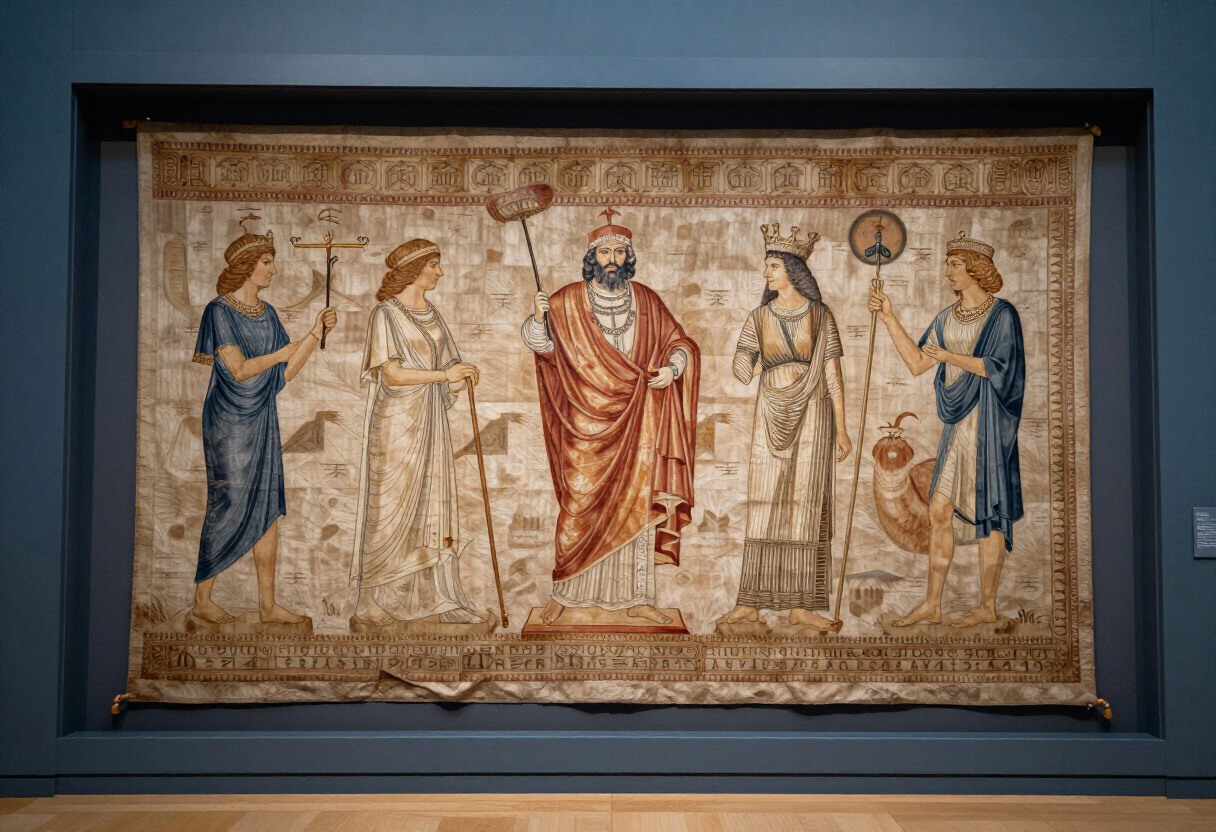
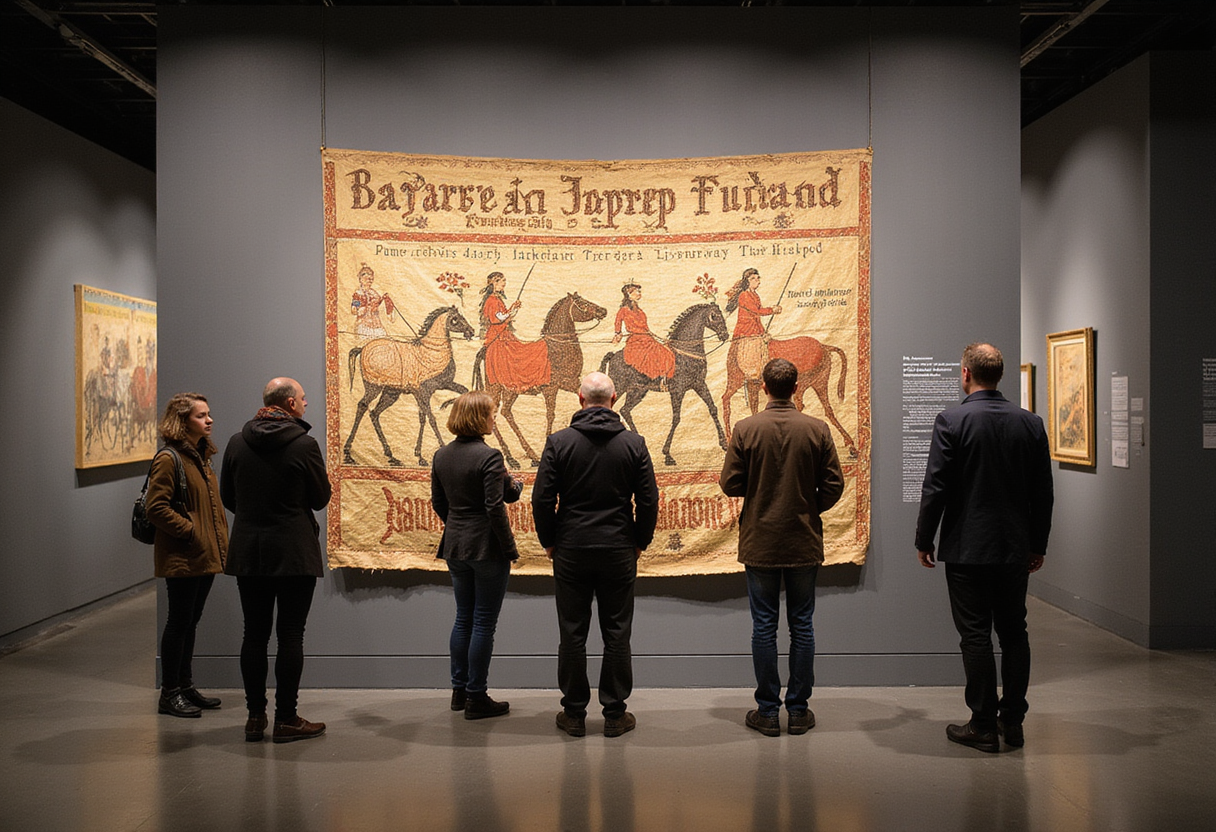
The cloth arrived for a British showing. Spectators followed, turning a static visit into a public re-enactment of the Battle of Hastings, fought "almost a millennium ago" on an English field.
What happened?
A Battle of Hastings re-enactment drew spectators in England this year. The draw was the Bayeux Tapestry's return.
The original clash, fought almost a millennium ago, took place on an English field. The tapestry depicted it. That, in two sentences, is the entire premise of the revival.
Coverage framed the dynamic plainly. "Bayeux Tapestry's Return Has History Buffs Re-Enacting Like It's 1066," the headline ran. The lede: "Almost a millennium ago, the Battle of Hastings was fought on an English field and depicted on the tapestry. This year's restaging drew spectators spurred on by the artifact's visit to Britain."
Why this re-enactment, why now?
Artifact visits move crowds. The tapestry's British stopover converted curious viewers into active participants. The format is familiar: a relic on display, a public trained to interpret it, amateur theatre of dress-up and steel.
Re-enactment culture in Britain has long used heritage moments as cues — anniversaries, royal occasions, the perennial appeal of dressing up. The tapestry gave the 1066 crowd a fresh pretext, and a script of sorts drawn in medieval thread.
Who showed up?
History enthusiasts, in numbers sufficient to merit coverage. The kit, by tradition, ran to replica arms. A few, inevitably, brought only enthusiasm. The dynamic is not new. It is, however, dependably photogenic.
The re-enactment, by its nature, doubles the source material. The tapestry records a battle; the restaging replays the recording. The artifact and its audience, briefly, perform the same script — the static cloth replaced by a moving crowd.
What did the visit deliver?
- A live-action staging of a Hastings-era field command.
- A heritage crowd prepared to march in period dress.
- A press cycle anchored in the artifact, not the anniversary.
So what?
A medieval cloth on English soil produced a 1066 revival. The combination — artifact visit, public re-enactment, willing press — is a known formula. The tapestry's return tested it once. The result, at minimum, justified a headline.
The cloth will return to France. The re-enactors, presumably, will wait for the next showing. Or, more likely, the next anniversary.
Source: NYT Arts
More from Daniel Okafor
Show full bio
News editor covering companies, deals and strategy in arts in the broadest sense at Arts & Voices.
488 articles