Brazilian court orders protection of Fordlândia, Henry Ford's failed Amazon city
A Brazilian federal court has ordered protection of Fordlândia, Henry Ford's failed 1927 Amazon rubber settlement. Iphan must deliver a conservation plan by November 2026 or face daily fines of $2,000.
Programme
- In May 2026 a Brazilian federal court ruled Fordlândia must be protected under the 1988 constitution.
- Ford founded the settlement in 1927; no usable latex was ever produced and he abandoned it in 1945.
- Iphan must deliver a conservation plan by end of November 2026 or face daily fines of $2,000.
- Around 3,000 people live in Fordlândia today, unconnected to paved roads.
- Hundreds of workers died during the project; a 1930 riot required the Brazilian army to restore order.
A Brazilian federal court has ruled that Fordlândia, Henry Ford's derelict rubber settlement deep in the Amazon, must be protected as heritage even without formal listing. The ruling landed in May 2026, almost a century after Ford founded the village in the state of Pará. Authorities now face a deadline at the end of November 2026 to produce a conservation plan.
The Ford Motor Company acquired the land on the Tapajós River in 1927. Ford wanted a Midwestern-style village for latex extraction, supplying his factories in Michigan and breaking the British-controlled rubber monopoly of Southeast Asia. He never visited. Workers, many of them Indigenous people and migrants from northeastern Brazil, endured cultural subjugation and dangerous conditions, including labour through the hottest hours of the day. Hundreds died during the short-lived project.
Why did the settlement fail?
The social experiment collapsed alongside the agriculture. Rubber trees were planted too close together without local expertise, leaving them vulnerable to disease and pests. No usable latex was ever produced. A second plantation at Belterra, established in 1933 on the advice of the American plant pathologist James Robert Weir, fared better but never became commercially viable. Ford sold the land back to the Brazilian government and abandoned the project in 1945, as synthetic rubber arrived.
Workers had already mutinied in 1930 over prohibitions on alcohol and tobacco, compulsory square dancing and a diet of wholewheat bread, brown rice, oatmeal and canned peaches. A full-scale riot followed, in which workers chased American managers and the village cook into the jungle. The Brazilian army restored order.
Around 3,000 people live in Fordlândia today, still unconnected to paved roads, after squatters and families returned to the decaying structures in the 2000s.
What does the ruling change?
The heritage question has been unresolved since local advocates first proposed protection in the 1990s. Brazil's federal public prosecutor's office sued in 2015, arguing the site had "unquestionable" cultural value. In 2024, the National Institute of Historic and Artistic Heritage (Iphan) countered that Fordlândia lacked the criteria for federal listing, citing the loss of its original characteristics.
The court disagreed, basing its decision on a 1988 constitutional article mandating conservation of material and immaterial assets connected to Brazilian communities. It noted that uncertainty over ownership had repeatedly justified inaction, that Pará and the municipality of Aveiro had signed an unfulfilled conservation agreement, and that some interventions had proceeded without authorisation.
Iphan must now work with the state and municipality on a plan covering each site, including emergency measures for structures at imminent risk. Once approved, work must begin within 30 days. Missed deadlines trigger daily fines of $2,000 on the federal government and Iphan, and $1,000 on the state and municipality. Iphan must also begin the administrative process to recognise Fordlândia as a heritage site.
A spokesperson for Iphan told The Art Newspaper the agency does not comment on ongoing proceedings. "Iphan reiterates that it remains committed to the preservation of Brazilian cultural heritage, as mandated by the constitution," the spokesperson said.
What survives on the ground?
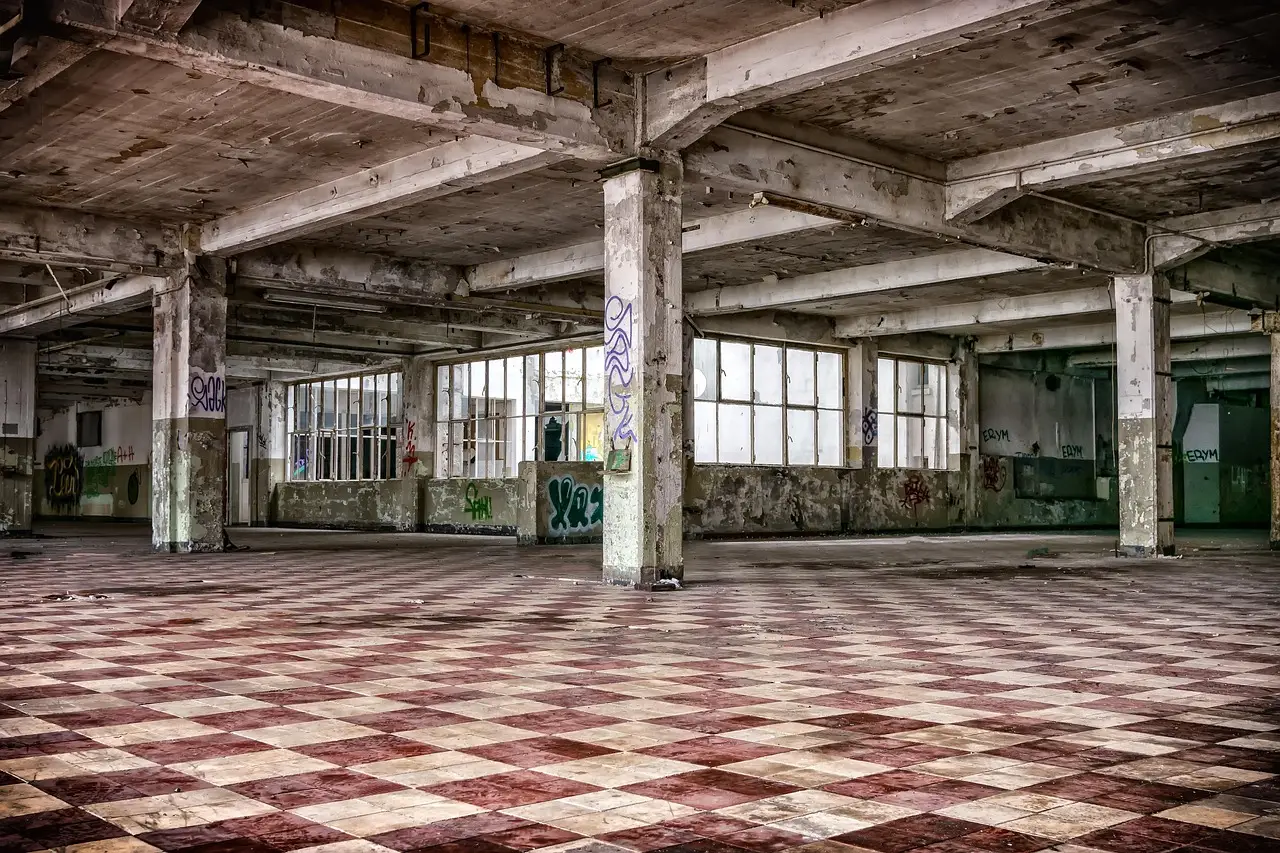
The sites under review include the former Fordlândia Hospital, designed by the Detroit architect Albert Kahn; the abandoned industrial and port warehouses; the American Village houses; the workers' village; the Henry Ford School; the Cine Patinha, whose roof has recently collapsed; and a post-Ford convent on a cliff above the Tapajós, active until the early 2010s. All have weathered years of Amazon heat, humidity and rainfall.
The village remains highly remote, reachable only by a minimum six-hour high-speed boat trip. A tour operator offers a five-day regional visit for roughly $3,000 per person, and TripAdvisor reviewers rate "Fordlândia Ghost Town" 4.7 out of 5, one calling it "historical, magical and melancholic".
The Brazilian government maintains the site represents "an American attempt to break the British monopoly on rubber and bring modern infrastructure to the middle of the Amazon" — and the ruling now obliges the state to decide what survives of it.
Source: theartnewspaper.com
More from Marcus Bennett
Show full bio
Staff writer covering people, launches and day-to-day practice in arts in the broadest sense at Arts & Voices.
1,757 articles