Greek PM Vows to Ramp Up Parthenon Marbles Campaign
Mitsotakis vows to 'ramp up' Parthenon marbles claims on Britain and the British Museum, while the Rauschenberg Foundation's quiet townhouse listing stirs alarm in the New York art world.
Programme
- Greek PM Kyriakos Mitsotakis vowed to 'ramp up' claims for the Parthenon marbles ahead of his EU presidency beginning in 2027.
- The Robert Rauschenberg Foundation listed the artist's former Manhattan home in August, after selling his Captiva Island compound for $45 million.
- A Gertrude Abercrombie painting bought for $30 at an estate sale fetched $1.35 million at Freeman's on Thursday.
- Souraya Noujaim has been appointed director of the Louvre Abu Dhabi.
- Museum Voorlinden in Wassenaar marks its 10th anniversary with the exhibition 'Celebrating the Icons of Art.'
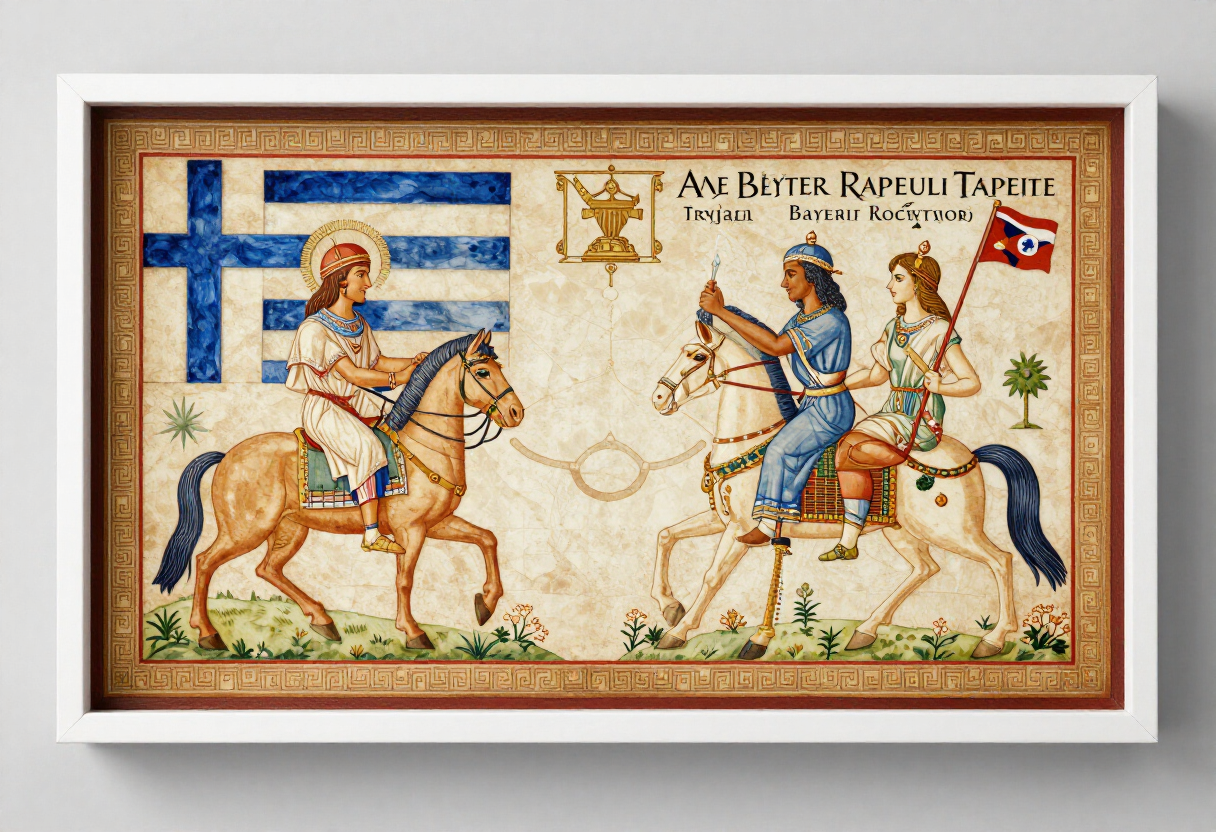
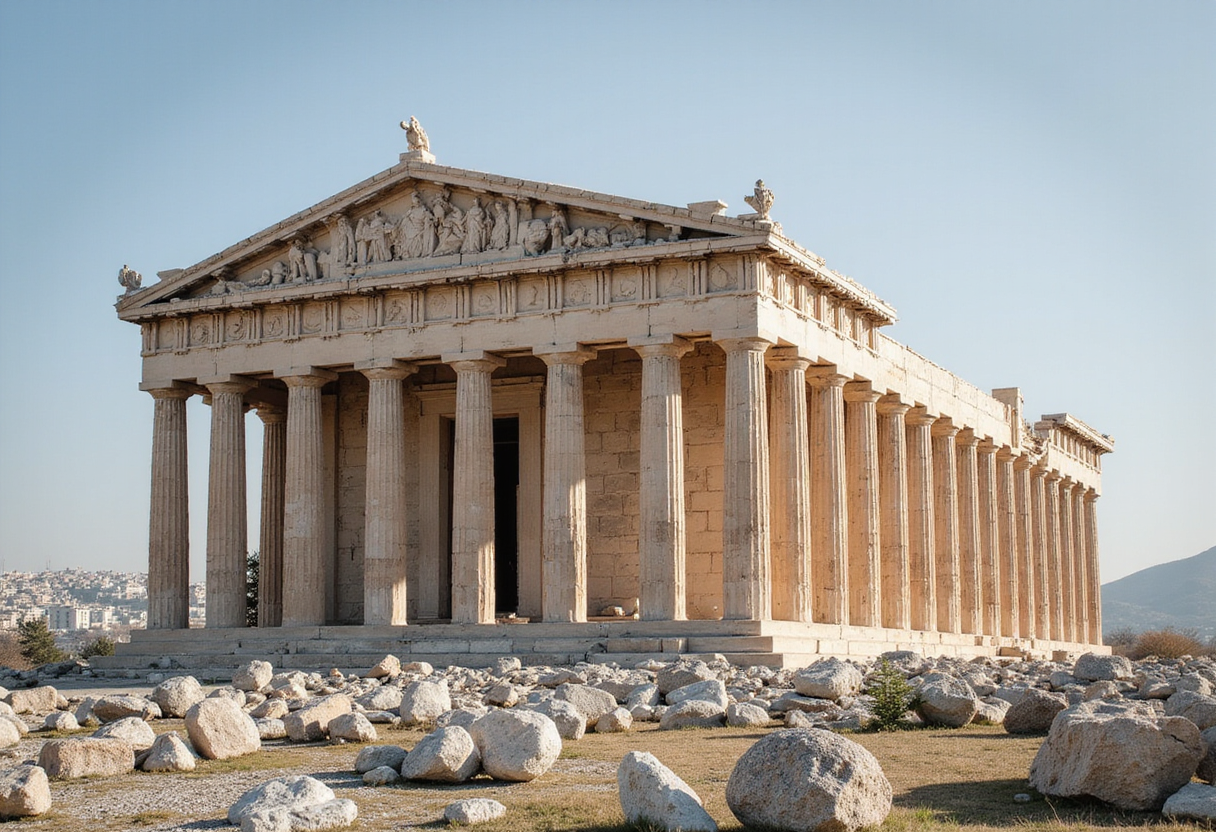
Greek prime minister Kyriakos Mitsotakis promised to "ramp up" efforts to return the Parthenon marbles from the British Museum, declaring at a press conference in Athens that the dispute now belongs to all of Europe, not Greece alone.
The Guardian reported Mitsotakis's remarks, delivered at a press conference that also addressed his future role as president of the European Union, beginning in 2027. "We will very clearly ramp up the intensity of our claims, not just with the British Museum, but also with the British government," Mitsotakis said. "I would also like to remind the audience that the new prime minister of the UK, unequivocally, was supportive of the return of the Parthenon sculptures before he became prime minister."
What leverage does Greece have?
According to Le Figaro, Mitsotakis linked the marbles question to Britain's broader push for closer ties with Europe. The Parthenon marbles "will be part of the debate. It is not simply a question for Greece, it's a question for Europe," he said, framing the Greek antiquities as part of Europe's heritage more broadly. He added that talk of "hybrid" arrangements for their return "have not progressed."
Why is the Rauschenberg Foundation's townhouse sale raising alarms?
In August, the Robert Rauschenberg Foundation quietly listed the late artist's former Manhattan home and studio, and the New York Times reports that many in the arts community are saddened and alarmed at the prospect of losing a beloved exhibition and research site.
The secrecy surrounding the sale has drawn as much attention as the listing itself:
- Foundation staff learned of the townhouse sale only after it was listed, sources told the Times.
- Reporter Deborah Solomon said she was accidentally copied on an email from the foundation's spokesperson to the artist's son, Christopher, asking him not to speak to her.
- The foundation refused to share a copy of Rauschenberg's will, though the document is publicly available and does not mention what to do with the property.
The listing follows the sale of Rauschenberg's studio compound on Captiva Island, Florida, for $45 million. Rauschenberg died in 2008.
What else happened in the art world this week?
- The Trump administration is using a little-known budget mechanism to pressure the Smithsonian Institution to comply with its view of United States history, under an executive order claiming the institution spread misinformation and "divisive narratives." [The Atlantic]
- A Gertrude Abercrombie painting of seashells bought at an estate sale for $30 sold for $1.35 million at Freeman's auction house on Thursday. [The New York Times]
- Islamic art specialist Souraya Noujaim has been appointed the new director of the Louvre Abu Dhabi. [The National]
- Activists protested yesterday for the removal of Leon Black from the Museum of Modern Art's board, citing his ties to convicted sex offender Jeffrey Epstein. [Hyperallergic]
- The Victoria and Albert Museum in London plans to launch a voluntary exit scheme for all staff, following strikes over pay and working conditions amid rising financial concerns. [Arts Professional]
How does a collector know he has the 'disease'?
Dutch collector Joop van Caldenborgh, who opened the Museum Voorlinden in Wassenaar a decade ago, told ARTnews his collecting began with stamps and sugar packs as a child, followed by his first art purchase at 16, funded by newspaper delivery money. "I realized I had this disease of being a collector: somebody who buys although they have nowhere left to hang the art. That is the whole idea of collecting," he said.
His 100-acre Voorlinden Estate now amply solves the storage problem. To mark its 10th anniversary, the museum has opened "Celebrating the Icons of Art," drawing on the collection plus loans by Claude Monet, Joan Miró, Francis Bacon, Louise Bourgeois and David Hockney. Van Caldenborgh called it "the most experimental and biggest exhibition we have made in the past 10 years."
With Mitsotakis set to assume the EU presidency in 2027, the marbles dispute is likely to move from bilateral stalemate to the center of Europe's political agenda.
Original: cloud.email.artnews.com
More from Marcus Bennett
Show full bio
Staff writer covering industry trends and analytics at Arts & Voices.
358 articles