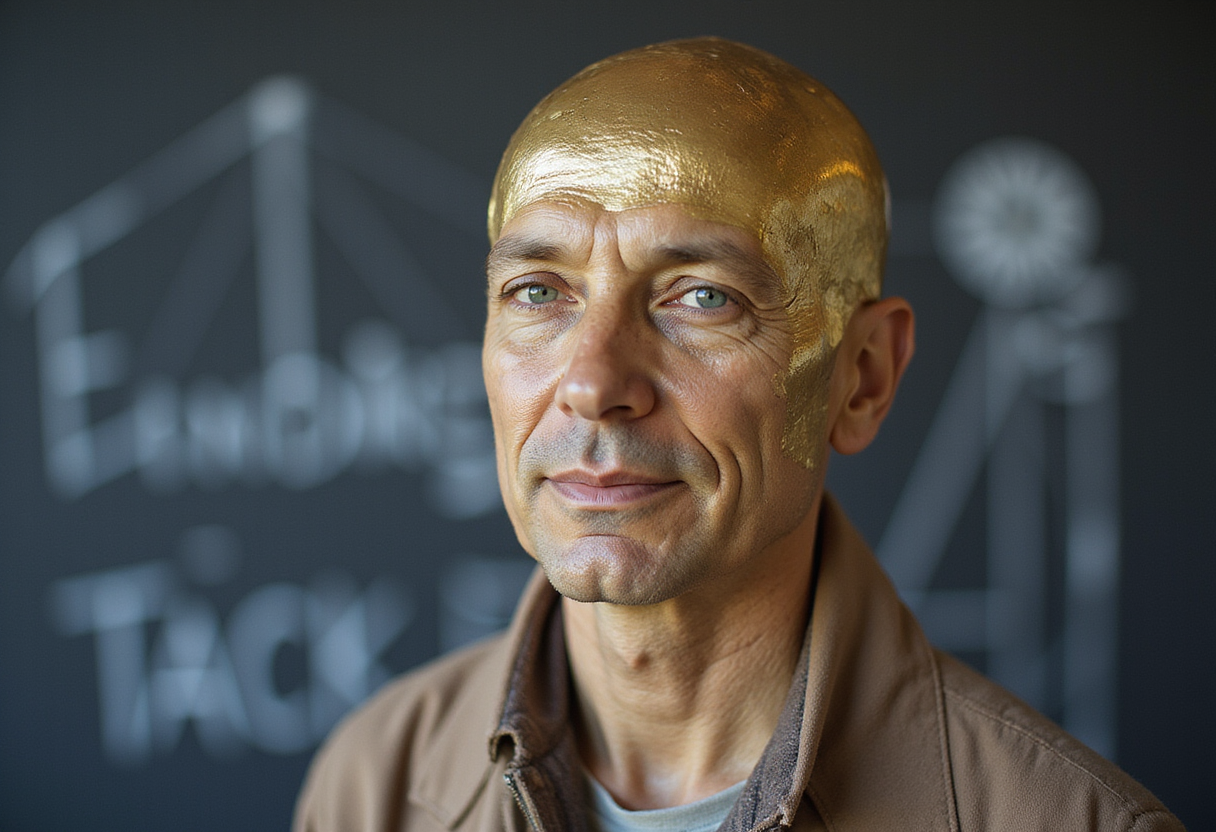
Caine Prize Winner Denies AI Claims After Atlantic Flag
Zimbabwean writer Simbarashe Kundizeza denies AI authorship of 'The Blue Fighter,' flagged days after winning the Caine Prize on 6 October.
Programme
- Simbarashe Kundizeza's 'The Blue Fighter' won the Caine Prize on 6 October 2026.
- The Atlantic published Vauhini Vara's AI accusation on 11 October, five days after the win.
- Detection software reportedly flagged the story as almost completely AI-generated.
- Kundizeza denied the claim; The Guardian reported his denial on 14 October 2026.
Zimbabwean writer Simbarashe Kundizeza has denied using AI to write his Caine Prize-winning story, five days after taking Africa's most prestigious short fiction award.
Kundizeza's The Blue Fighter won the Caine Prize for African Writing on 6 October. On 11 October, The Atlantic published a piece by author and journalist Vauhini Vara titled "Yet Another Literary Prize Winner Seems to Be AI." The article claimed detection software had flagged the story as almost completely AI-generated (software that estimates the statistical likelihood a text was machine-produced, a method researchers consider unreliable).
Kundizeza rejects the claim. His denial puts him in an awkward but growing club: prize winners asked to prove their own hands.
What does the accusation actually say?
Vara's article, published days after the award ceremony, rests on the detector's verdict rather than on any admission or documentary evidence. That's the whole case, at least as reported. Detection tools have a documented habit of false positives, especially with non-native English prose — a point worth holding onto when the writer is Zimbabwean and the software was almost certainly trained on Western text.
The Atlantic's headline says "seems to be." In an era of AI anxiety, "seems" does a lot of work.
Who is Simbarashe Kundizeza?
A Zimbabwean author whose story The Blue Fighter beat the Caine shortlist for the annual prize, awarded since 2000 to a short story by an African writer published in English. The win was announced on 6 October. The Guardian reported his denial on 14 October.
He has not, according to the available reporting, offered process evidence — drafts, manuscripts, version histories. Neither has the prize foundation announced an investigation, at least so far.
Why does this row matter?
The case lands at a bad moment for literary institutions. Prizes now face a detection problem they were never built for: adjudicating not just quality but provenance. The Atlantic's framing — "yet another" — suggests a pattern, implying this is not the first suspicious winner and will not be the last.
For African writers, the stakes cut sharper. An unverified accusation against a Zimbabwean winner plays into old biases about who is presumed capable of authorship. One false positive does that damage quickly, and quietly.
There's also the small matter of the money and the reputation: the Caine Prize carries cash and, more importantly, a career-defining spotlight that the accusation now reframes as a burden.
What happens next?
Kundizeza has denied the claim publicly. The Caine Prize's next move — a statement, an inquiry, or silence — will shape how other juries handle similar allegations. What's certain is that the detectors won't stop running, and literature's gatekeepers now have a question no anthology entry can settle: who wrote this, and can anyone prove it?
Original: static1.squarespace.com
More from Daniel Okafor
Show full bio
News editor covering companies, deals and strategy in arts in the broadest sense at Arts & Voices.
528 articles