Cici Wu's Memory Lanterns: Auld Lang Syne (prelude) at 47 Canal
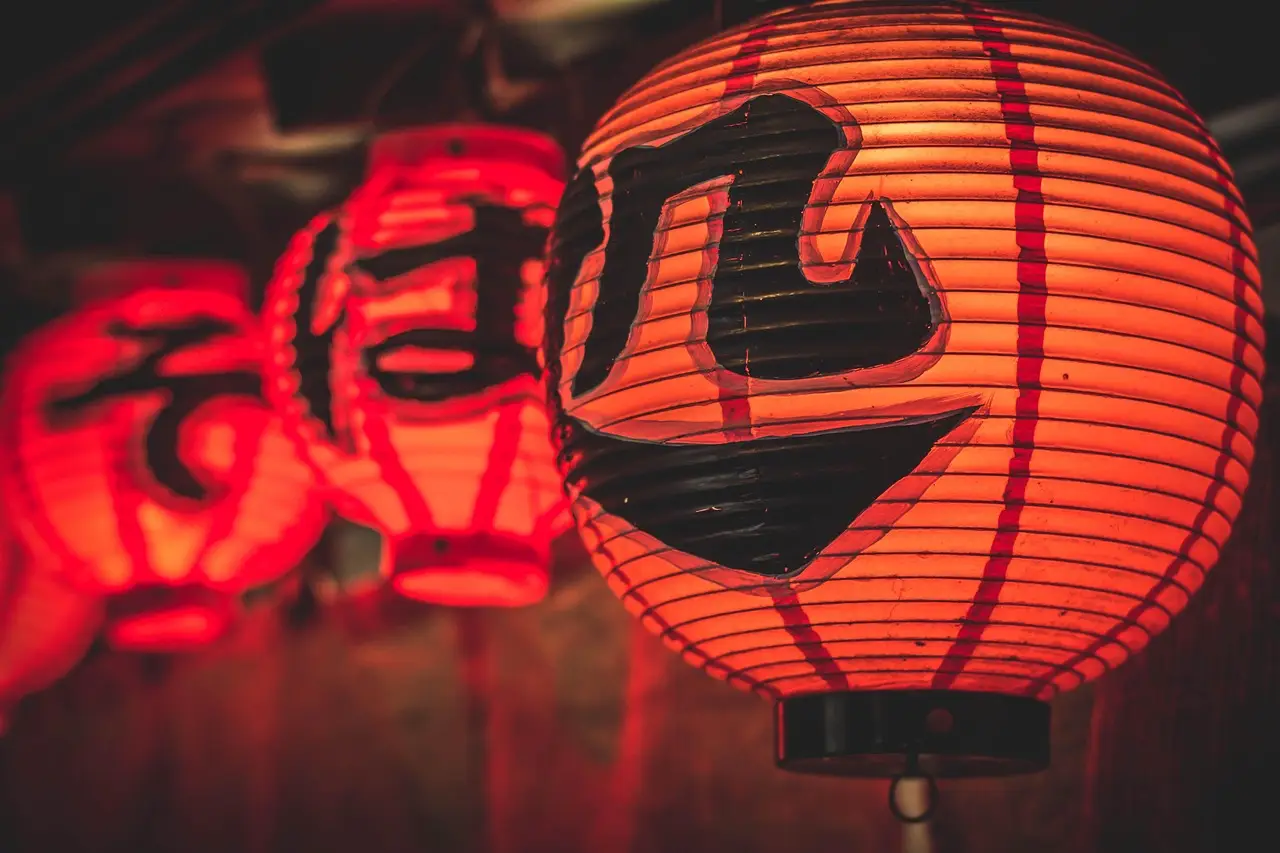
Cici Wu's Auld Lang Syne (prelude) at 47 Canal fills a pitch-black basement with 11 bamboo and mulberry paper lanterns, including Princess Bari and Kuan-yin.
Programme
- Cici Wu's exhibition Auld Lang Syne (prelude) runs at 47 Canal in a pitch-black basement gallery
- The show includes 11 lantern sculptures made of bamboo, willow withes, and mulberry paper
- One lantern is modeled on an archival 1914 photograph of an all-girls' high school in Shizuoka, Japan
- The 18th-century Scottish song Auld Lang Syne sets the rhythm of the exhibition's lightbulbs
- The Shizuoka site is the subject of Wu's forthcoming film
Cici Wu has filled the basement of 47 Canal with 11 glowing lantern sculptures. Her exhibition, Auld Lang Syne (prelude), opened at the New York gallery and turns a pitch-black room into a field of warm, internally lit forms made of bamboo, willow withies, and mulberry paper.
A 16mm projector sits behind a flickering image of Princess Bari, the Korean goddess who guides souls into the afterlife. Yet the projector is not conjuring her image, and it is not conjuring any narrative either. The machine and the shamanic deity sit together as objects, glowing rather than performing.
What waits in the dark?
Visitors descend into a large room to find a warmly lit clock floating above. Kuan-yin, the Buddhist goddess, sits on a white pedestal. A friendly-looking creature sleeps on the floor. The sculptures illuminate the otherwise pitch-black basement gallery, and each one carries its own reference.
One lantern, painted with ink and watercolor and shaped like a miniature schoolhouse, is modeled on an archival 1914 photograph of an all-girls' high school in Shizuoka, Japan. That site is the subject of Wu's forthcoming film. Her translations between sculpture, painting, and film echo the transnational movements of the song that gives the show its title.
How does the song structure the show?
Auld Lang Syne orchestrates the rhythm of the lightbulbs across the eleven sculptures. The 18th-century Scottish song of fellowship reached Asia through missionary activity and colonial exchange. Under Japanese colonialism, it became a Korean patriotic anthem. In Japan today, it signals the close of a workday in retail shops. The song's journey across languages and empires runs quietly beneath the exhibition's flickering lights.
In the gallery, only an unconscious, haptic presence of this displaced history remains — felt in light and rhythm rather than stated in text.
What does this change for Wu's practice?
The exhibition positions Wu as an artist working across sculpture, painting, and film at once. The schoolhouse lantern points forward to her film on the Shizuoka site, making Auld Lang Syne (prelude) exactly what its subtitle claims: a prelude to a longer project yet to come.
Original: dharmacrafts.com
More from Marcus Bennett
Show full bio
Staff writer covering people, launches and day-to-day practice in arts in the broadest sense at Arts & Voices.
789 articles