Olivia Zubko Turns Plumbing Into Altars in 'Nymphaeum'
Olivia Zubko's 2026 solo show "Nymphaeum" at Western Exhibitions turns bathroom fixtures into devotional wall sculptures, drawing on Hellenistic and Roman traditions for the modern home.
Programme
- Olivia Zubko's 2026 solo show "Nymphaeum" is on view at Western Exhibitions in Chicago.
- Highlighted works include "Echo's Basin" (2026) and "Circe" (2026).
- "Echo's Basin" combines glazed stoneware, glazed porcelain, and metal hardware.
- "Circe" is built from glazed stoneware and synthetic hair.
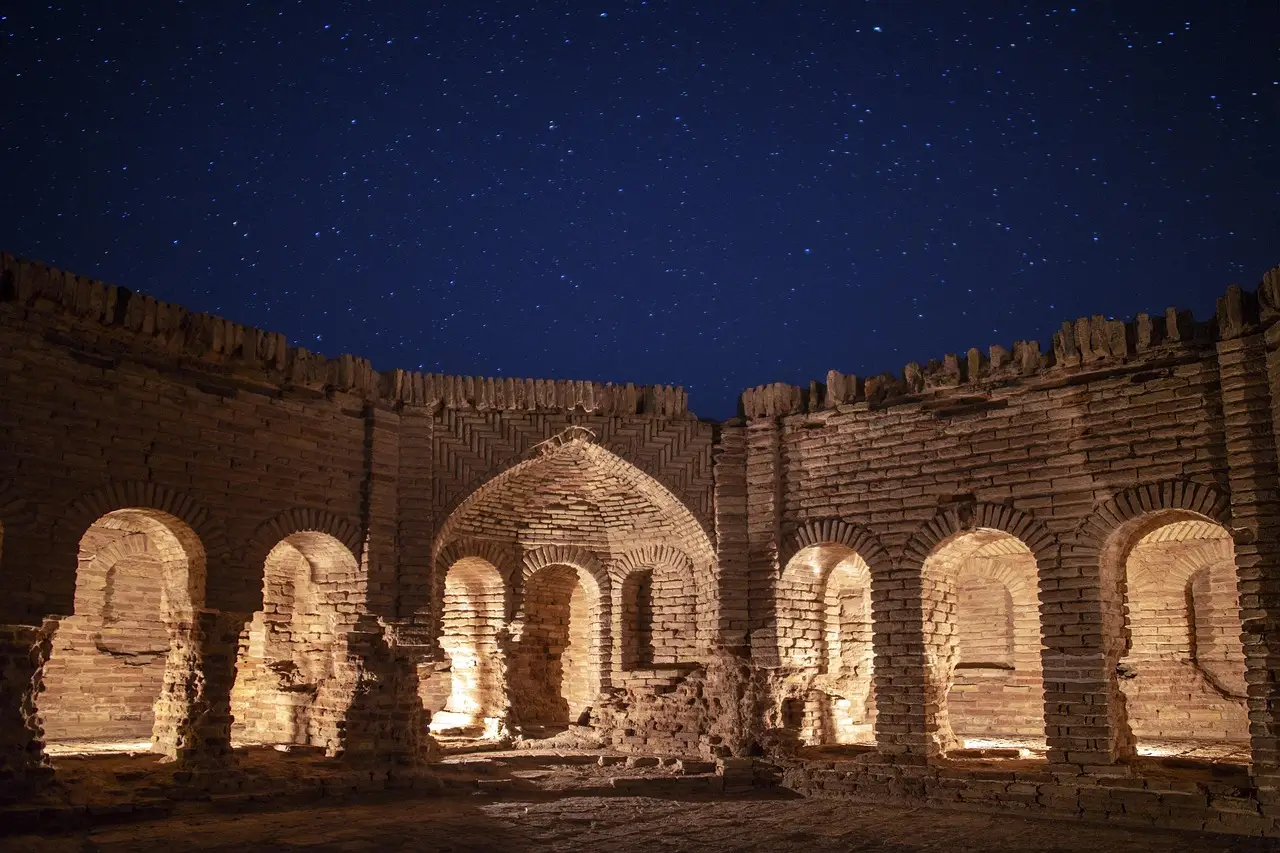
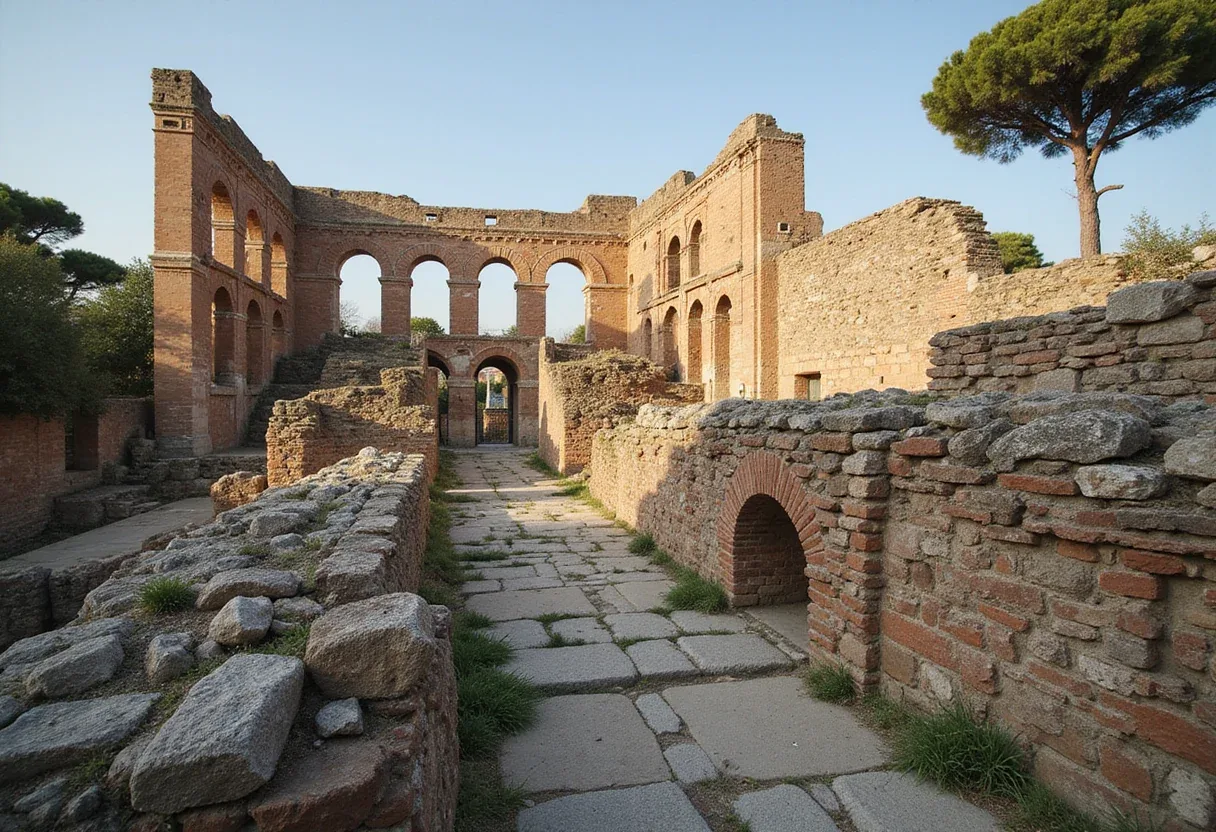
- The exhibition's title and concept reference nymphaeums from the Hellenistic and Roman imperial periods.
A faucet hangs on a gallery wall like a votive offering. The setting is Olivia Zubko's 2026 solo show "Nymphaeum," on view at Western Exhibitions in Chicago.
The Chicago-based artist treats bathroom hardware as devotional sculpture. Each wall-mounted sculpture borrows the sacred air of historical nymphaeums, the monuments consecrated to water nymphs that Greeks and Romans raised around ancient rock grottoes. Zubko relocates the altar into the modern home.
Two works anchor the exhibition. "Echo's Basin" (2026) combines glazed stoneware with glazed porcelain and metal hardware. "Circe" (2026), built from glazed stoneware and synthetic hair, carries the mythic weight of the show's title. Both pieces sit in the strange zone between plumbing and ritual.
The sculptures do not announce themselves as statements. They read as objects first, relics second. That hinge between use and reverence carries the show.
What does Zubko find in the bathroom that the temple cannot provide?
The bathroom is a stage. Zubko presses the same logic that once animated the cult of the nymph into the daily act of looking into a mirror. Read together, the show argues that humans, then and now, are "freaks, drawn to stories of trickery and violence." The claim lands hardest in the room where grooming and self-regard already meet, and where the line between self-care and self-absorption stays thin.
The conceit unsettles the boundary between sacred object and domestic appliance. It exposes how porous that boundary remains, even in a culture that treats the bathroom as a private utility rather than a shrine. The viewer leaves the gallery aware of the temple that still hides in the medicine cabinet.
How does the material hold up?
Glazed stoneware gives the sculptures weight and a muted palette. Porcelain, metal hardware, and synthetic hair extend the material range past clay. The surfaces echo the slickness of bathroom tile and the patina of old devotional objects. The viewer reads the pieces as plumbing, then as relics, then as something that sits awkwardly between those categories and demands a slower look.
The artist's restraint matters. Zubko avoids narrative overload. The titles do the mythological work, and the viewer fills in the rest from a name like "Circe" or "Echo's Basin." That economy makes the show sharper than a louder treatment would have been.
What does this change for the Chicago gallery season?
Western Exhibitions has long balanced regional artists with broader currents. A show this rooted in classical iconography, treated through vernacular craft, places Zubko inside that lineage. It also marks a wider question for the gallery program.
As antiquity continues to circulate through commercial visual culture, fewer artists treat it as ornament. Zubko treats it as structure. She locates the temple inside the home, and asks the viewer to recognise it the next time they reach for a towel. That proposition gives the show weight beyond its modest scale.
Original: storage.ghost.io
More from Marcus Bennett
Show full bio
Staff writer covering people, launches and day-to-day practice in arts in the broadest sense at Arts & Voices.
666 articles