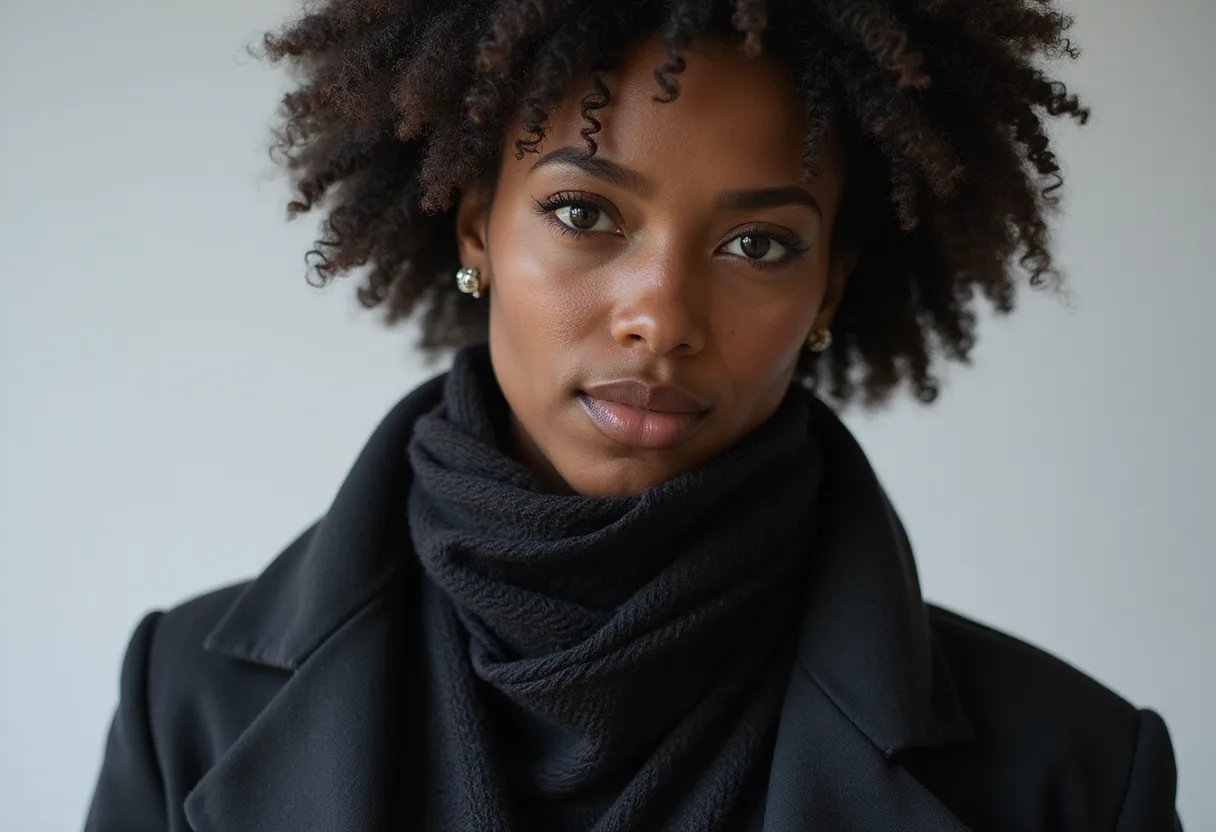
Director O Mipo Wins 2026 Kurosawa Akira Award, Eyes Hollywood
O Mipo, 49, co-won the 2026 Kurosawa Akira Award at the 39th Tokyo International Film Festival and says she is 'making up for lost time' after a career break.

Programme
- O Mipo, 49, received the 2026 Kurosawa Akira Award on Tuesday at Tokyo's Imperial Hotel during the 39th Tokyo International Film Festival.
- She shared the award with Iranian filmmaker Mohammad Rasoulof.
- Her 2014 drama 'The Light Shines Only There' was Japan's Academy Award submission for best foreign language film.
- Nearly 700 Japanese films are now released annually, O said.
- Her mentor Obayashi's 'House' (1977) was released the year of her birth.
By Elena Vasquez
Director O Mipo, 49, received the 2026 Kurosawa Akira Award on Tuesday at Tokyo's Imperial Hotel, during the 39th Tokyo International Film Festival. She shares the prize with Iranian filmmaker Mohammad Rasoulof.
The award honors filmmakers of substantial achievement who represent the future of cinema. O's record backs the citation. She began in the industry in 1999 as a script supervisor for director Obayashi Nobuhiko and won a prize for her short "Eye" at the 2002 Short Shorts Film Festival in Tokyo.
Her milestones since:
- 2005: her first feature screenplay, "The Sakai's Happiness," won the Sundance/NHK International Filmmakers Award; she directed the debut feature of the same title.
- 2010: "Here Comes the Bride, My Mom!" took the grand prize at the Shindo Kaneto Awards, chosen by a committee of Japanese producers.
- 2014: "The Light Shines Only There" became Japan's submission for the Academy Award for best foreign language film.
- 2024–2025: after nine years away from features, she returned with "Living in Two Worlds" and followed with the eco-themed children's drama "How Dare You?"
What did the award mean to her?
"When I heard that they were going to give me the award my first reaction was just pure surprise – or rather, disbelief," O told Variety. "I wondered if they'd made a mistake. But I gratefully accepted it, of course. I hadn't really made any big movies up to that point. I was just so happy that they found me out of all the (directors) in Japan."
After releasing the 2015 drama "Being Good," O stepped back to raise her two sons, directing only a segment of the 2022 anthology "Tell It Like a Woman." "There was a gap in my career when I had children. But I'm making up for lost time," she said. "And with this [Kurosawa] award I feel I'm getting back on track."
How has the Japanese industry changed?
The industry is "overwhelmingly different" since 1999, O said. "There are a lot more female staff members now, and directors too. That's definitely the biggest difference."
The hierarchy has flattened. "Back in the day, the industry was like a pyramid, with directors at the top," she said. Now "respect training" is common, and "in terms of rights, everyone is more or less on the same footing."
Production is up — nearly 700 Japanese films are released annually — but O said she "can't help but feel that the overseas market hasn't really taken off yet." She wants more than the "certain type" of Japanese film that reaches festivals, and she wants to follow Kore-eda Hirokazu and Hamaguchi Ryusuke abroad. "I just come out and say, 'I want to go to Hollywood someday.'"
Can directors live on films alone?
No, according to O. "I honestly don't think there are any directors in Japan right now who are making a living solely from directing movies," she said. A veteran director of TV commercials, she now turns offers down for film work — and watches them dwindle. "I find that really ironic, though."
She contrasted Japan with Hollywood, where directors are "usually paid a proper fee right from the planning stage." In Japan, "you don't get a single yen at the planning stage. And that's been the reality for a long time."
On AI, she called it "an inseparable part of our lives" but said machines will not replace filmmakers. She tells her sons to keep asking, "What do I really want to do?"
Her model is Obayashi, who directed the 1977 cult hit "House" — released the year of her birth — and worked mostly outside the mainstream until his death at 82. "It's all about taking on challenges, right?" she said. "Those challenges are like nourishment."
Obayashi died at 82, Kurosawa at 88, Shindo Kaneto at 100. "I'm 49, so I still have half a century left," O said. With two features in two years and a Kurosawa Award in hand, her second half-century starts from a stronger position than her first.
Source: Variety Film
More from Elena Vasquez
Show full bio
Senior reporter covering technology and product news in arts in the broadest sense at Arts & Voices.
1,004 articles