Godzilla Minus Zero Turns War's Wreckage Into a Kaiju Spectacle
Takashi Yamazaki's Godzilla Minus Zero premiered at the 64th New York Film Festival and opens November 6, confronting American wartime destruction alongside kaiju King Ghidorah.
Programme
- Godzilla Minus Zero premiered at the 64th New York Film Festival and opens on November 6
- Takashi Yamazaki wrote, directed, and created the visual effects for the sequel to 2023's Godzilla Minus One
- The film is set two years after the original, with the disaster-response crew facing King Ghidorah
Takashi Yamazaki's Godzilla Minus Zero premiered at the 64th New York Film Festival and opens on November 6. The sequel to 2023's acclaimed Godzilla Minus One stages its monster warfare on a scale the review calls "necessary to see in a packed theater."
Yamazaki wrote, directed, and handled the visual effects himself. Where American blockbusters typically deploy faceless, nameless enemies—fictional countries chasing nuclear codes or unleashing bioweapons—Godzilla Minus Zero names its villains directly. The American military and government stand alongside the kaiju King Ghidorah as the film's destructive forces. The geopolitical framing works, in the reviewer's words, "as a reminder of what war causes and continues to cause."
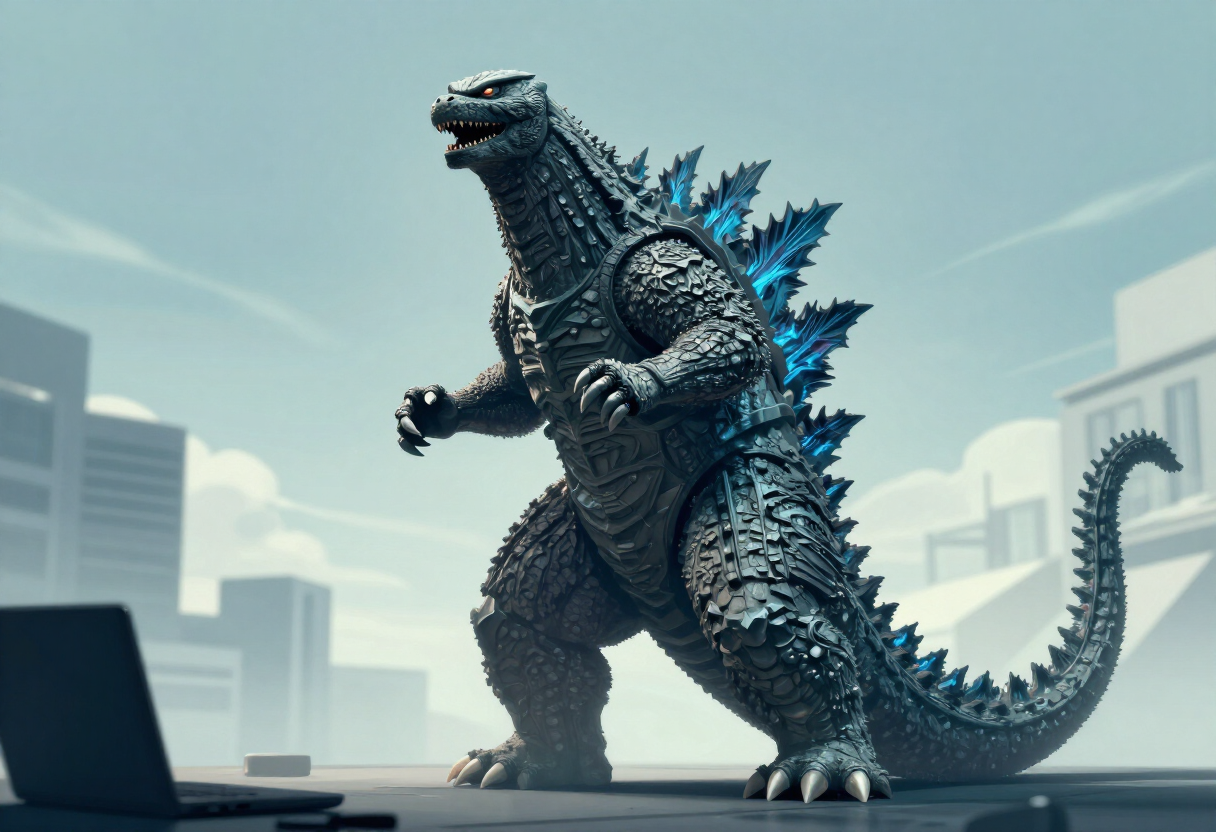
The story picks up two years after the first film, with Japan sorting through the wreckage of World War II after atomic decimation by the United States. Many of the same actors return. The disaster-response crew faces a new kaiju: response director Kenji Noda (Hidetaka Yoshioka), biologist Kanji Murakami (Min Tanaka), and pilot Kōichi Shikishima (Ryunosuke Kamiki) must confront King Ghidorah, a giant flying beast capable of ruining cities once it opens its mouth.
Yamazaki does not turn away from carnage. Unlike many blockbusters, the film looks directly at the destruction and death wartime violence leaves behind. The review describes Minus Zero's pain as visceral: "The camera lingers on the injured, the dying, the dead, forcing us to understand the consequences of American actions." These characters have not merely survived Godzilla; they have been fighting and recovering for the past decade.
Once the team grasps the threat, the narrative splits into two threads—a family drama and a heart-racing monster thriller. Yamazaki spends time with the Shikishima trio: Kōichi, his wife Noriko (Minami Hamabe), and their daughter Akiko (Sae Nagatani), in the aftermath of Noriko's interaction with Godzilla. The family becomes the core of the film, earning the emotional beats of the third act as the faces of unending violence.
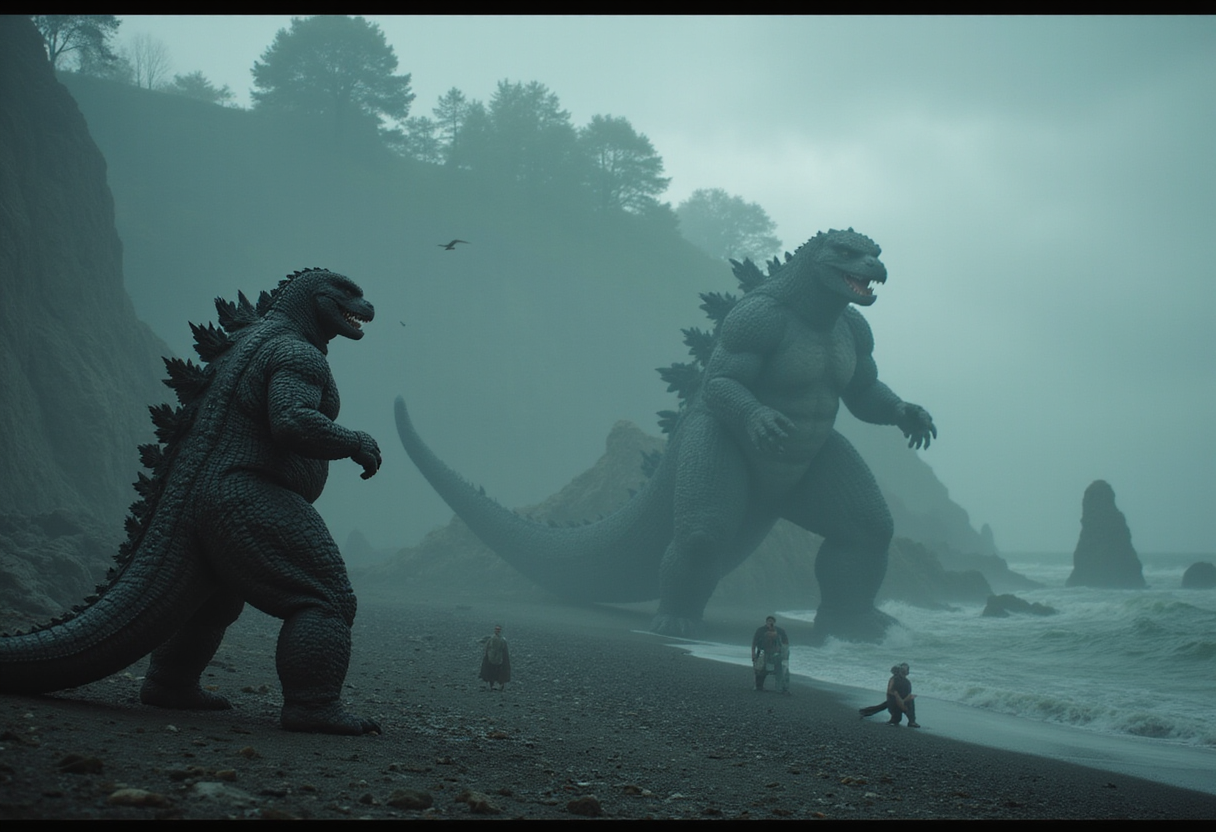
The monsters still own the picture. Planes fly overhead; creatures battle in the air and on the ground. Yamazaki frames the scope of the action using myriad stationed characters to convey the complexity of battling these beasts, and even as the film expands, it "attempts and often succeeds at retaining humanity," always finding time to register how its people react and persevere. The kaiju themselves are, per the review, "breathtaking, applause-inducing, and just enormous."
The performances anchor the spectacle. Yoshioka, Murakami, and Hamabe bring pathos to the monster mash, with characters grappling equally with past and present, each carrying a distinct weight. Yamazaki has made a Godzilla film that, in the reviewer's judgment, "encapsulates destruction and resilience staged at a massive scale."
Source: The Film Stage
More from Daniel Okafor
Show full bio
News editor covering consumer brands and retail at Arts & Voices.
251 articles