King Ghidorah Faces Godzilla in Godzilla Minus Zero
Yamazaki chose King Ghidorah for Godzilla Minus Zero, bringing back Toho’s winged, three-headed dragon after Godzilla Minus One’s 2023 box-office record and Oscar win.
Programme
- “Godzilla Minus One” opened in 2023 and became the highest-grossing Japanese-language Godzilla film.
- Its box-office record surpassed “Shin Godzilla” (2016) and the 1954 original.
- It won eight Japan Academy Film Prizes and the franchise’s first Oscar for best visual effects.
- Takashi Yamazaki directed and wrote “Godzilla Minus One” and led its visual effects team.
- Yamazaki personally selected King Ghidorah for “Godzilla Minus Zero.”
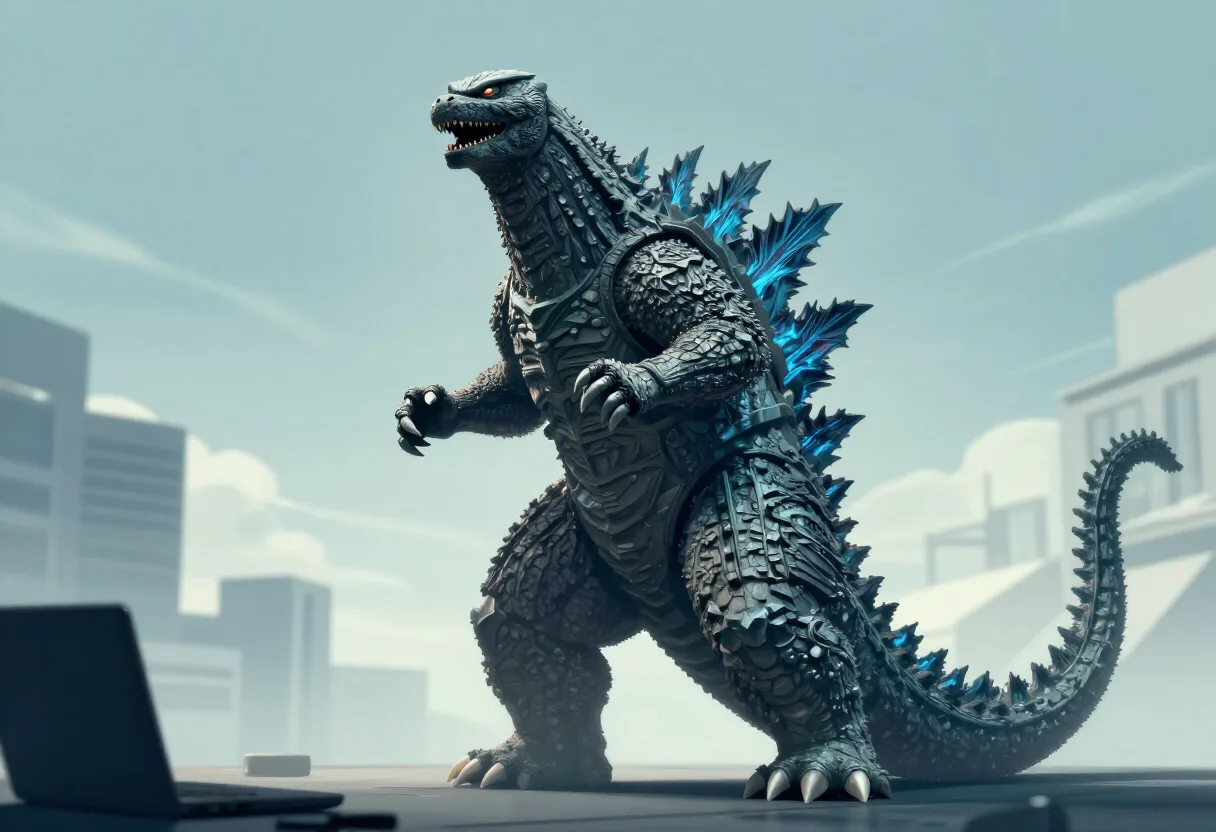
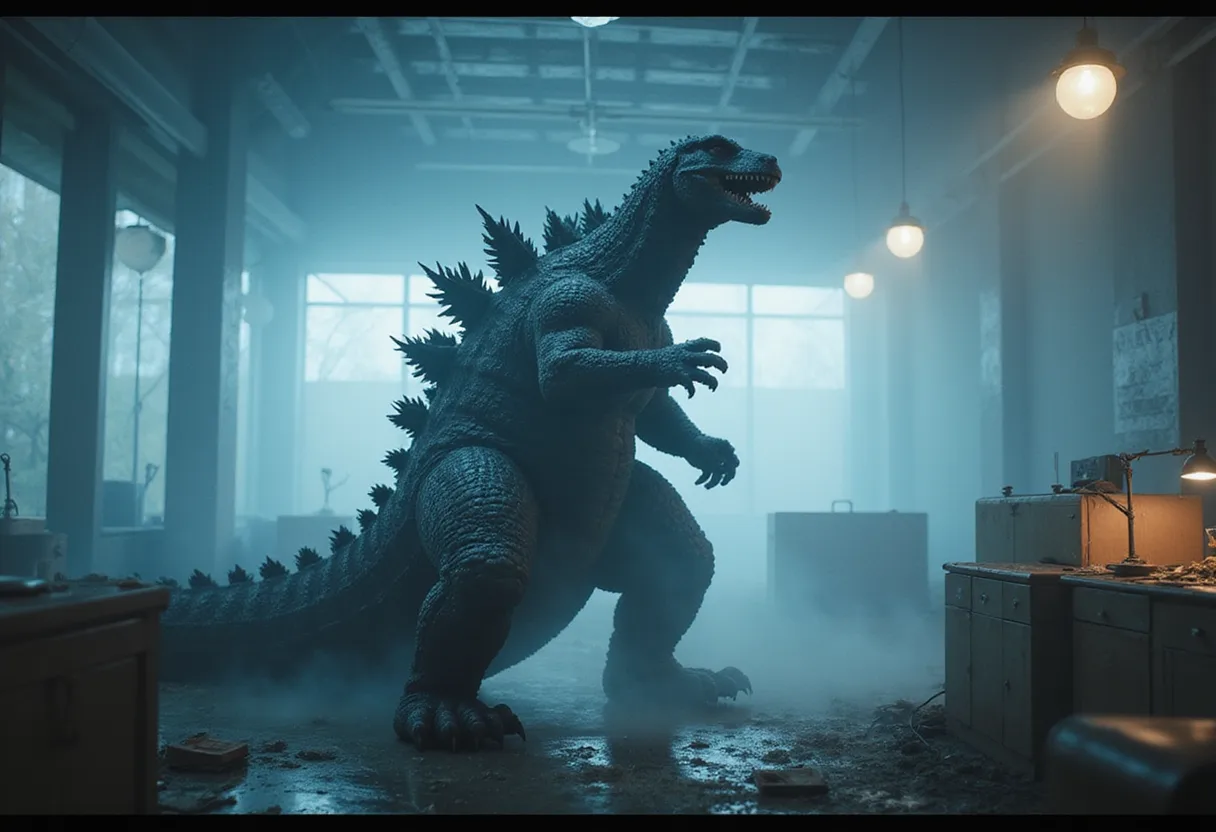
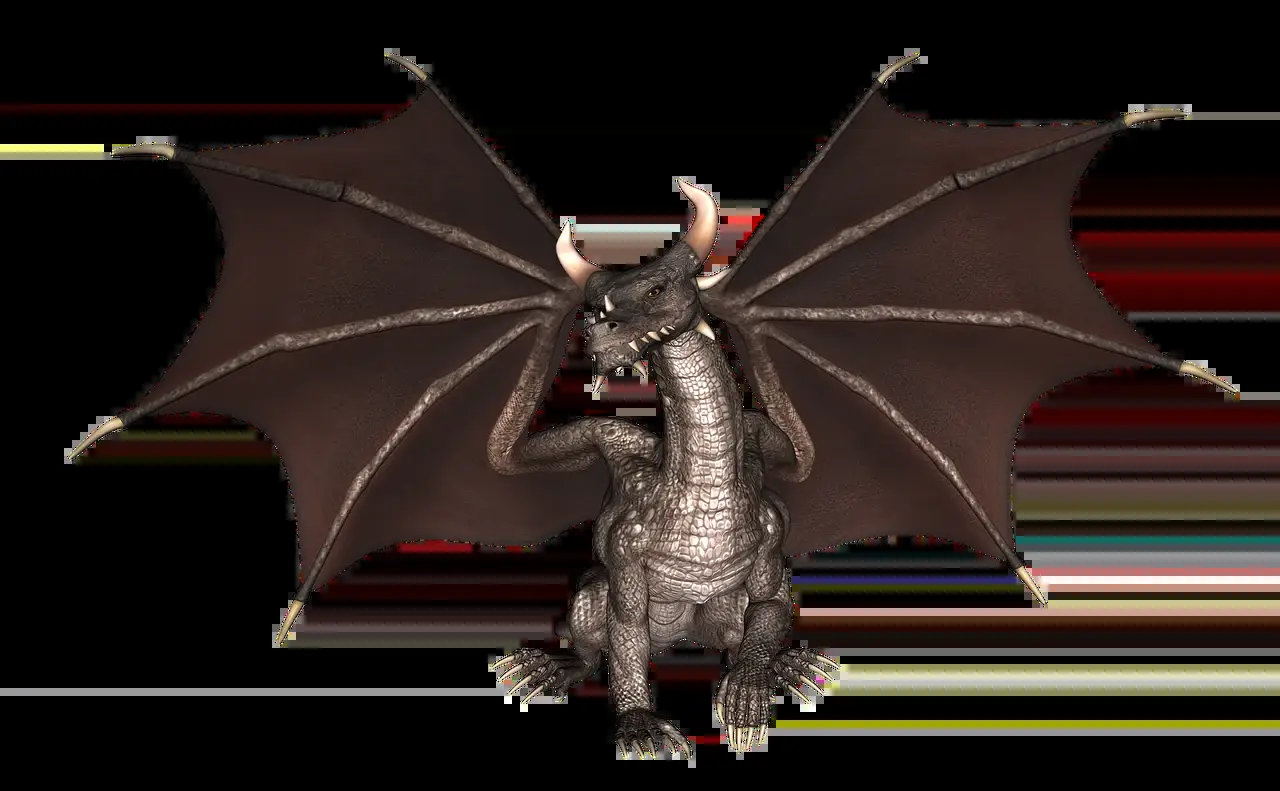
Takashi Yamazaki has selected King Ghidorah, a winged, three-headed, two-tailed dragon, to fight Godzilla in “Godzilla Minus Zero.”
The sequel follows “Godzilla Minus One,” which Yamazaki directed and wrote. He also led its visual effects team.
When “Minus One” opened in 2023, it became the highest-grossing Japanese-language Godzilla movie of all time. Its result surpassed Toho classics including “Shin Godzilla” (2016) and the 1954 original.
The film won eight Japan Academy Film Prizes and an Oscar for best visual effects. The Oscar was the first in the Godzilla franchise’s history.
Those achievements explain why a sequel followed, even though the franchise already contains dozens of films. Success settled the case for another installment. It did not settle which monster could carry the new conflict.
Yamazaki found his answer in an old Toho creation. King Ghidorah first appeared in the feature “Ghidorah, the Three-Headed Monster.” The choice reaches back to an established screen creature instead of starting with a completely new design.
Yamazaki said in an email interview that the selection was personal. That choice places the sequel’s central confrontation under the same filmmaker who directed, wrote and led visual effects on “Minus One.”
What does King Ghidorah change for Godzilla?
King Ghidorah gives “Minus Zero” an opponent already established in the franchise. The filmmakers describe their task as reimagining the dragon for a “brutal, high-stakes battle royale.” The phrase makes the encounter the sequel’s test of scale and spectacle.
The design carries a practical burden. Its three heads, two tails and wings give the effects team several elements to coordinate. Yamazaki’s leadership of visual effects on “Minus One” places him close to that work. His personal attachment also gives the project a clear center of authorship.
Godzilla’s opponent list spans much of the past eight decades. It already includes:
- Mothra, a giant moth.
- Ebirah, a crustacean.
- Gigan, an alien cyborg.
- Mechagodzilla, an armored version of Godzilla.
That roster establishes the range of Godzilla’s opponents over the past eight decades. Ghidorah brings historical continuity to the sequel, but it also raises the standard for the filmmakers.
Choosing an established character shifts the creative burden from invention to reimagining. It also creates a subtler risk: a familiar monster must still feel newly threatening. Recognition alone will not supply the high stakes promised by the filmmakers’ battle-royale framing.
For audiences, the practical change is direct: Godzilla’s next opponent is an established Toho dragon rather than a completely new creation. The creative test belongs to Yamazaki and his team. They must turn personal investment, existing creature history and a brutal scale into one coherent encounter.
The box-office record and Oscar win set a demanding benchmark for that encounter. The next test for Yamazaki and the filmmakers is whether King Ghidorah can carry “Godzilla Minus Zero” with the same force that made “Minus One” a record-setting achievement.
Source: NYT Arts
More from Marcus Bennett
Show full bio
Staff writer covering people, launches and day-to-day practice in arts in the broadest sense at Arts & Voices.
1,189 articles