“Godzilla Minus Zero”: Yamazaki dazzles, then strands three plotlines
Takashi Yamazaki’s 2h 15m “Godzilla Minus Zero” delivers breathtaking monster sequences, but its biological and meteorological theories remain unresolved.
Programme
- Takashi Yamazaki directed the R-rated, 2h 15m sequel “Godzilla Minus Zero.”
- The story follows the Shikishima family in 1949, two years after the first film’s attacks.
- The 2023 predecessor “Godzilla Minus One” won the Academy Award for best visual effects.
- Jun Kunimura plays a doctor investigating whether Godzilla’s cells can affect human biology.
- Ghidora appears within minutes and can fly, spit lightning and regenerate heads.
By Daniel Okafor
“Godzilla Minus Zero” runs 2h 15m, carries an R rating, and earns the review’s blunt verdict: “spectacle mutes substance,” a neat summary of Yamazaki’s latest monster picture.
Yamazaki directs this action, drama, horror, sci-fi and thriller. The review’s headline adds “Reprieve of Destruction.” Godzilla returns to terrorize survivors of his previous rampage and battle a new foe. The review calls it dazzling, darkly haunted and visually mind-boggling, but narratively undisciplined. Its judgment is more austere. Spectacle works. Narrative discipline does not.
What survives after the 1949 attacks?
The sequel follows the Shikishima family in 1949. That is two years after the attacks in “Godzilla Minus One.” Koichi Shikishima (Ryunosuke Kamiki), his wife Noriko (Minami Hamabe), and their adopted daughter Akiko (Sae Nagatani) try to rebuild.
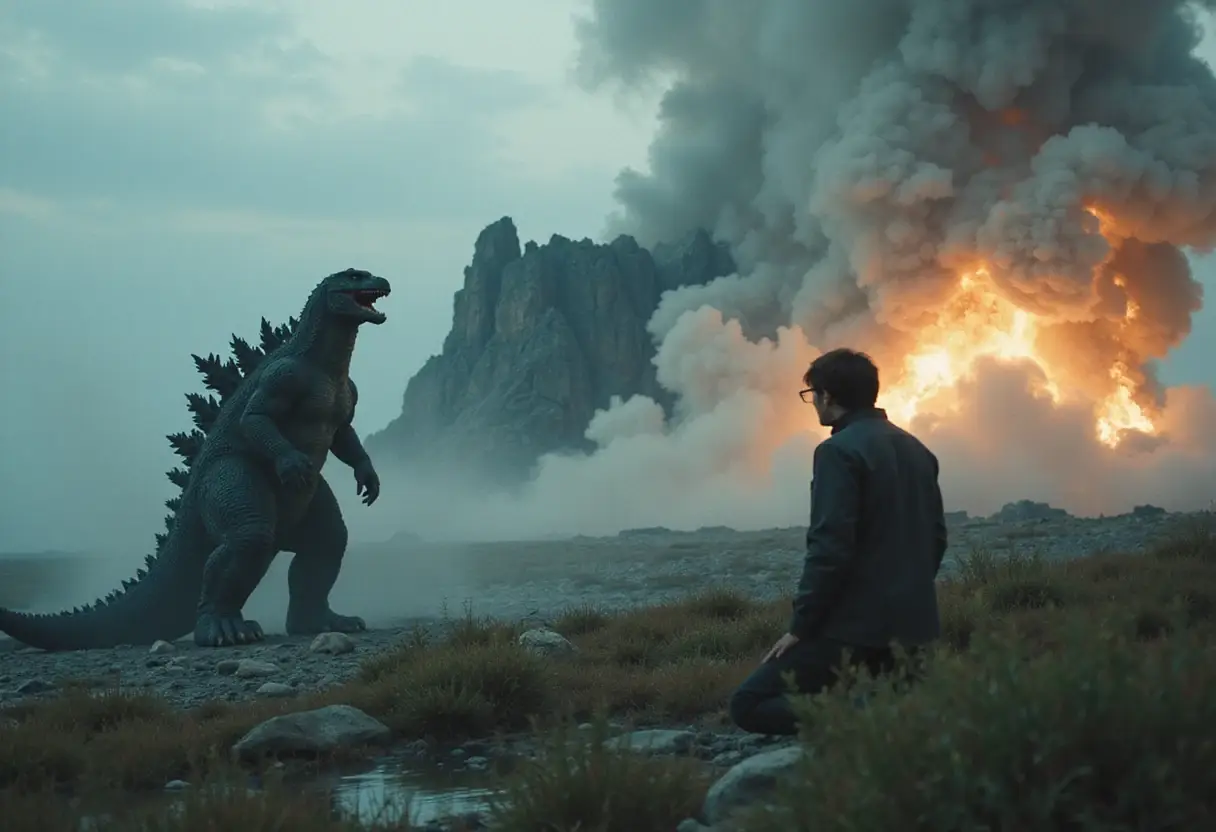
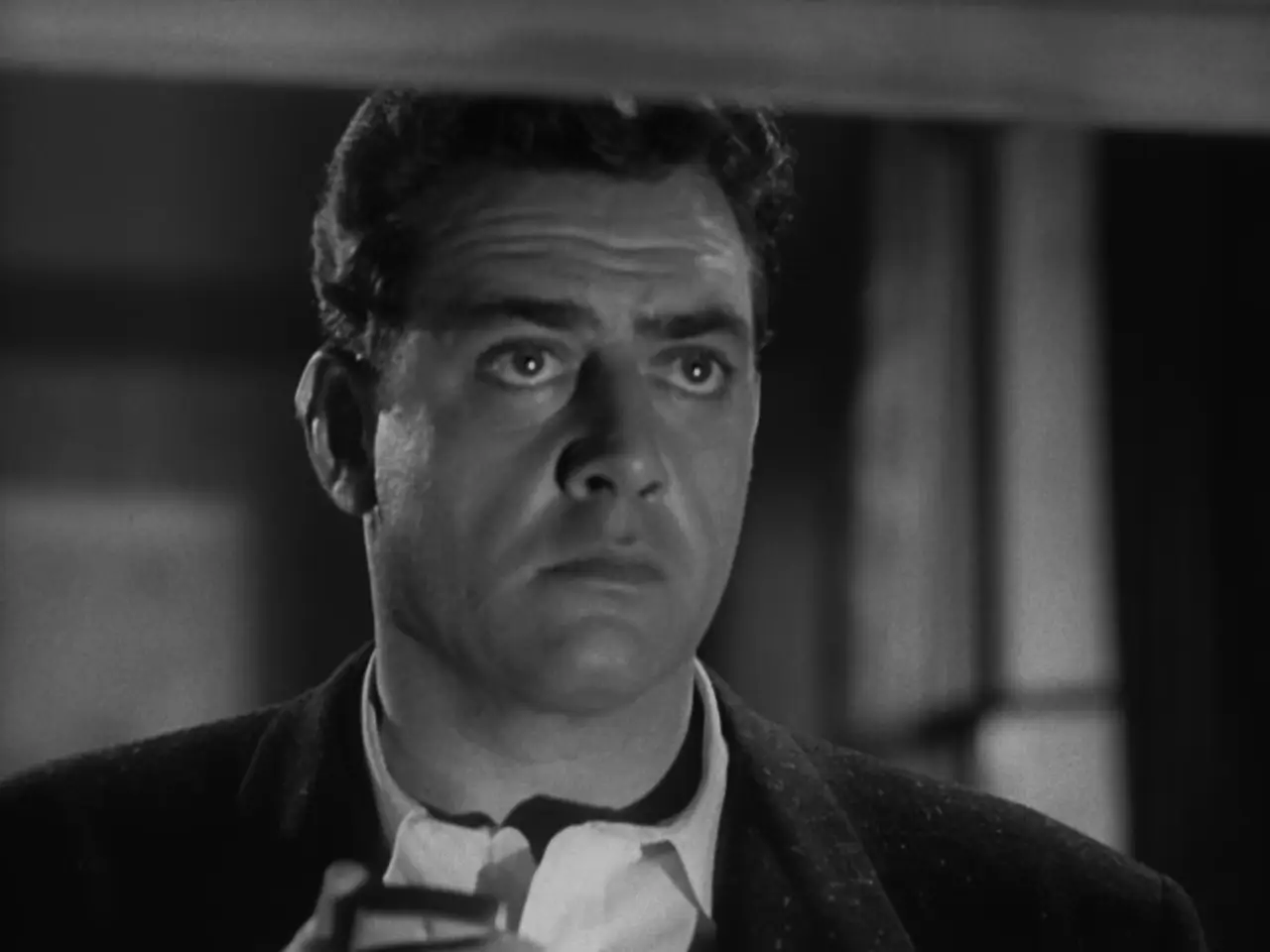
Noriko wears a patch over one eye damaged by Godzilla, the only visible reminder of injuries the review says should have been fatal; her survival then drives the film’s central biological mystery. The review calls this “the most intriguing and potentially fertile idea” in the picture. Jun Kunimura plays a doctor studying whether Godzilla’s cells affect human biology.
That strand enters body horror (graphic bodily mutation), but remains largely undeveloped. The review reads it as a probable sequel tease, not an explanation. Noriko’s survival raises better questions than the plot answers.
Why do the sequel’s side threads stall?
The review’s larger complaint is structural: the sequel offers biological mutation, military intrigue and meteorological theory without developing any of them enough to create coherent consequences. A few American soldiers hint darkly at an agenda the film never explains. Masami Nagasawa plays a meteorological genius who believes Japan’s monster activity relates to the weather.
Her ideas are abruptly sidelined. Her theories remain frustratingly vague. The review says they, too, become easy to weaponize when Godzilla returns. That leaves the script carrying several half-developed engines at once. The result is overstuffed and underwritten. Loose ends outnumber firm answers.
Does Ghidora rescue the sequel?
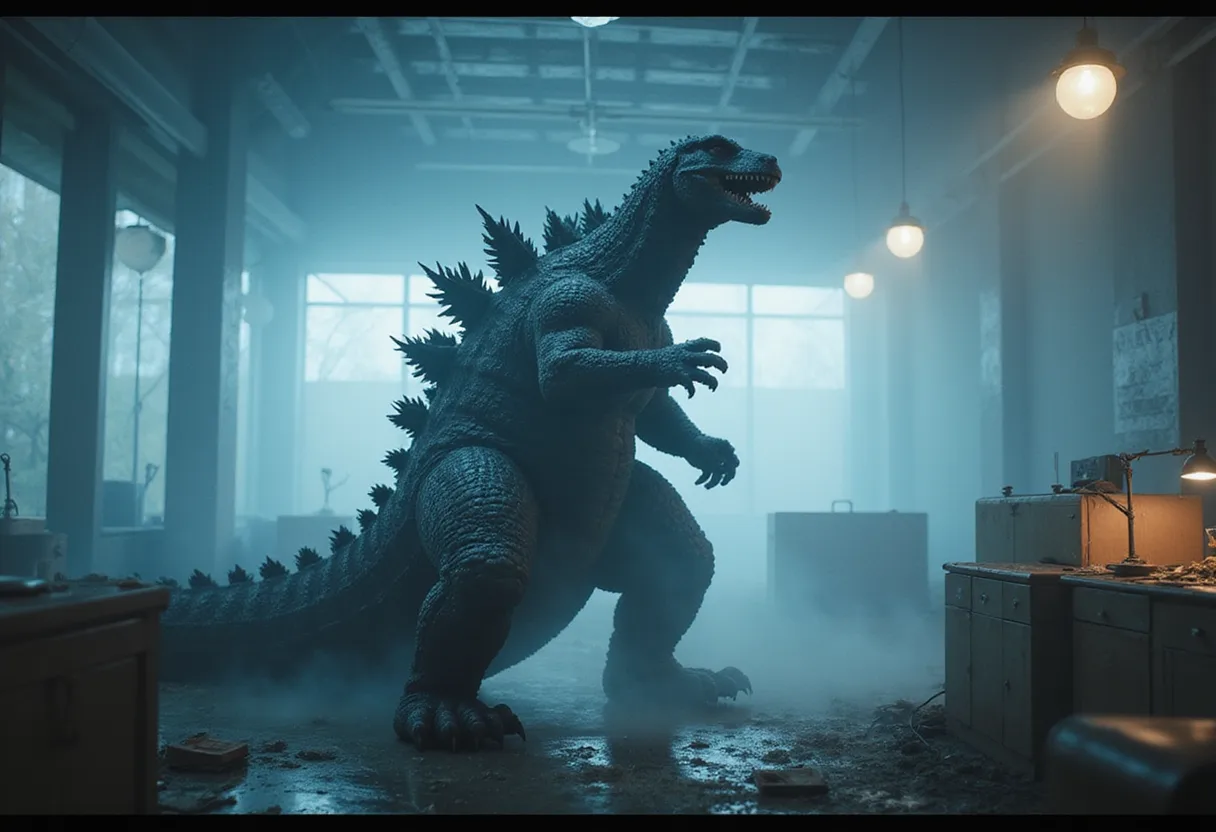
Ghidora appears within minutes, laying waste to a town and its screaming inhabitants. It is a flying dragon of possible alien provenance (origin outside Earth). It spits lightning and regenerates heads like a demented Hydra, a literal display of regeneration (regrowth of lost parts).
The review calls the sequence virtuosic and breathtakingly paced. It also finds the film’s doom-laden, despairing tone chilling. Several sequences achieve that level. Ghidora supplies a clear visual threat. The theories supply little narrative pressure.
The 2023 predecessor “Godzilla Minus One” won the Academy Award for best visual effects, and the review treats that win as proof of Yamazaki’s capacity to dazzle. His command remains evident here. The problem is narrative discipline, not scale.
What should Yamazaki develop next?
Regeneration and transformation remain the franchise’s primary concerns, as the review notes. The review gives transformation less concrete attention than regeneration.
Noriko’s cells, the soldiers’ unexplained agenda and Nagasawa’s weather theory could each sustain a film, yet none receives enough attention to connect its premise to the destruction around it. Yamazaki has planted enough material for another installment.
He should develop the biology and weather ideas before adding more monsters. A later installment may deliver the explanation; on this evidence, it should earn it before the next rampage.
Source: NYT Arts
More from Daniel Okafor
Show full bio
News editor covering companies, deals and strategy in arts in the broadest sense at Arts & Voices.
1,013 articles