'Hen' Review: Eight Trained Hens, No CGI, One Escape Story
György Pálfi's 'Hen' follows an escaping chicken past a criminal enterprise — with eight trained hens, no CGI, and a 96-minute running time now in theaters.
Programme
- "Hen," directed by György Pálfi, runs 1 hour 36 minutes and is now in theaters.
- Pálfi cast and trained eight indistinguishable hens instead of using CGI.
- The film mixes comedy, crime, drama, family and thriller genres; it is unrated.
- It screens in Greek, English and Italian with subtitles.
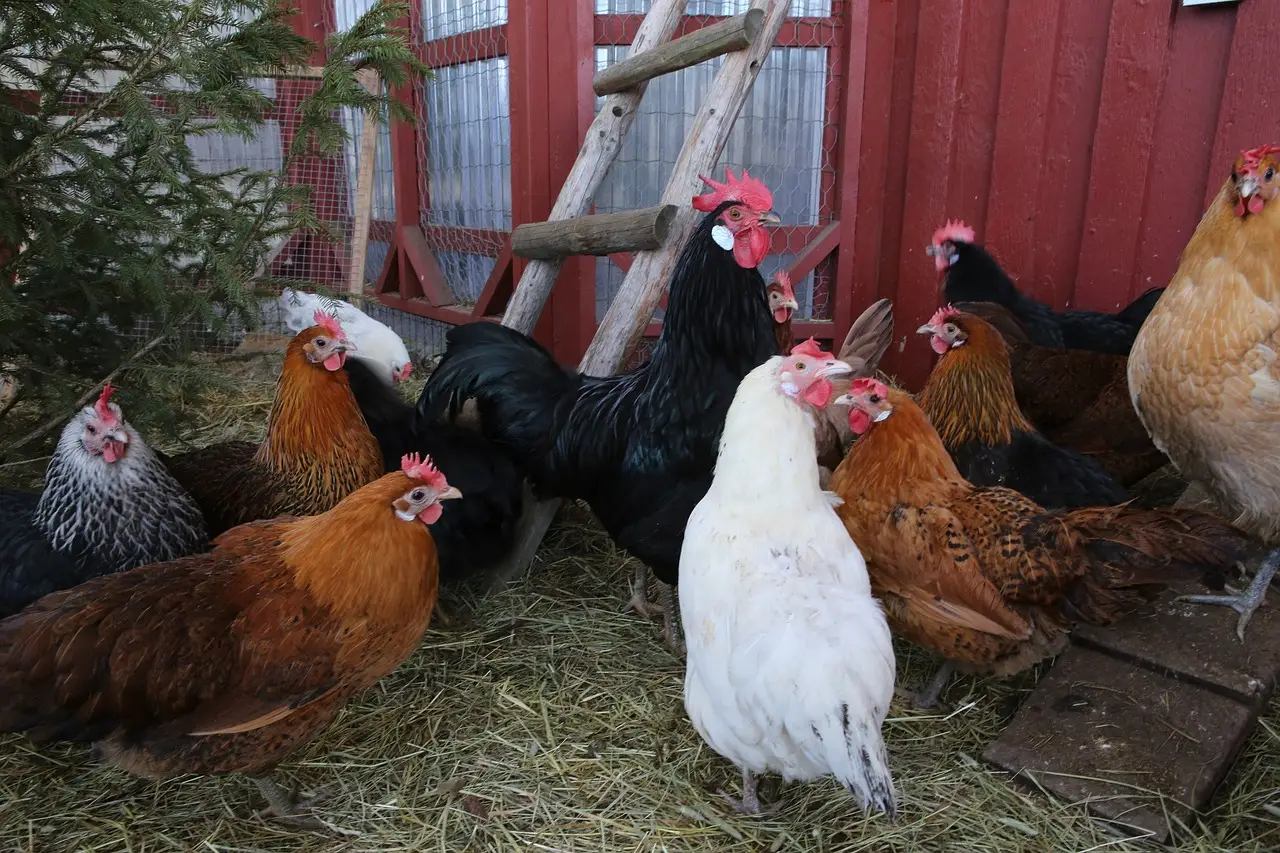
Hungarian filmmaker György Pálfi cast and trained eight indistinguishable hens to play a single escaping chicken in "Hen," his 96-minute blend of comedy, crime, drama, family and thriller now in theaters. The film is unrated and screens in Greek, English and Italian with subtitles.
The review, published under the headline "A Bird's-Eye View," opens on the film's most startling image: an egg squeezing out of a chicken's cloaca. That shot sets the tone for what the critic calls a "peculiar poultry character study." The opening sequence ends when the egg hatches, releasing a chirping black fuzzball — the film's heroine.
What happens to the hen?
The camera clings to the chicken's perspective for the full running time. She escapes the butcher's knife. She crosses traffic. She flees predators. Eventually she lands inside the pen of a kindly taverna owner.
For a while, the review notes, the protagonist reveals little emotional life beyond the will to survive. Then she starts laying eggs, and a new desire awakens: she yearns to become a mother hen.
Where does the human drama come in?
"Hen" departs from its recent predecessors in the farm-animal subgenre. "Gunda" follows a pig. "EO" is about a donkey. "Cow" is set at a dairy farm. Those films, the critic writes, are "designed to build interspecies empathy" and "make a case for cinema as a metamorphosis machine" — by watching, audiences "walk a mile on their hooves."
Pálfi adds a darker thread. A brutal criminal enterprise quietly operates near the chicken coop. The review delivers a measured reservation: observing that violence from the sidelines can feel uneasy, and as the gulf between the two storylines widens, their division often diminishes the emotion of each.
Why does the production method matter?
The strongest claim in the review concerns craft. Pálfi eschewed CGI entirely. He cast and trained eight hens to portray his heroine interchangeably. The critic's verdict is direct: "If his ingenuity doesn't fill you with hope for the future of cinema, I don't know what would."
That endorsement frames "Hen" as "still a worthy and even urgent film" — not only for its attention to an overlooked creature, but for what its old-school animal training suggests about practical filmmaking in a CGI-saturated era.
The takeaway in plain words: a flawed two-strand structure, but an urgent experiment in interspecies cinema built entirely on real, trained animals.
Source: NYT Arts
More from Elena Vasquez
Show full bio
Senior reporter covering technology and product news in arts in the broadest sense at Arts & Voices.
1,063 articles