Programme
- Indonesia's top Islamic council met the Tourism Ministry on Wednesday to oppose two Andrea Bocelli concerts.
- The council first announced its opposition on Oct. 10.
- Objections cite Bocelli's 2010 Los Angeles IDF fundraiser and a 2022 Tel Aviv concert.
- One contested date is at Borobudur, a 9th-century temple and iconic Indonesian heritage site.
- The concerts are part of Bocelli's Romanza 30th Anniversary World Tour Indonesia.
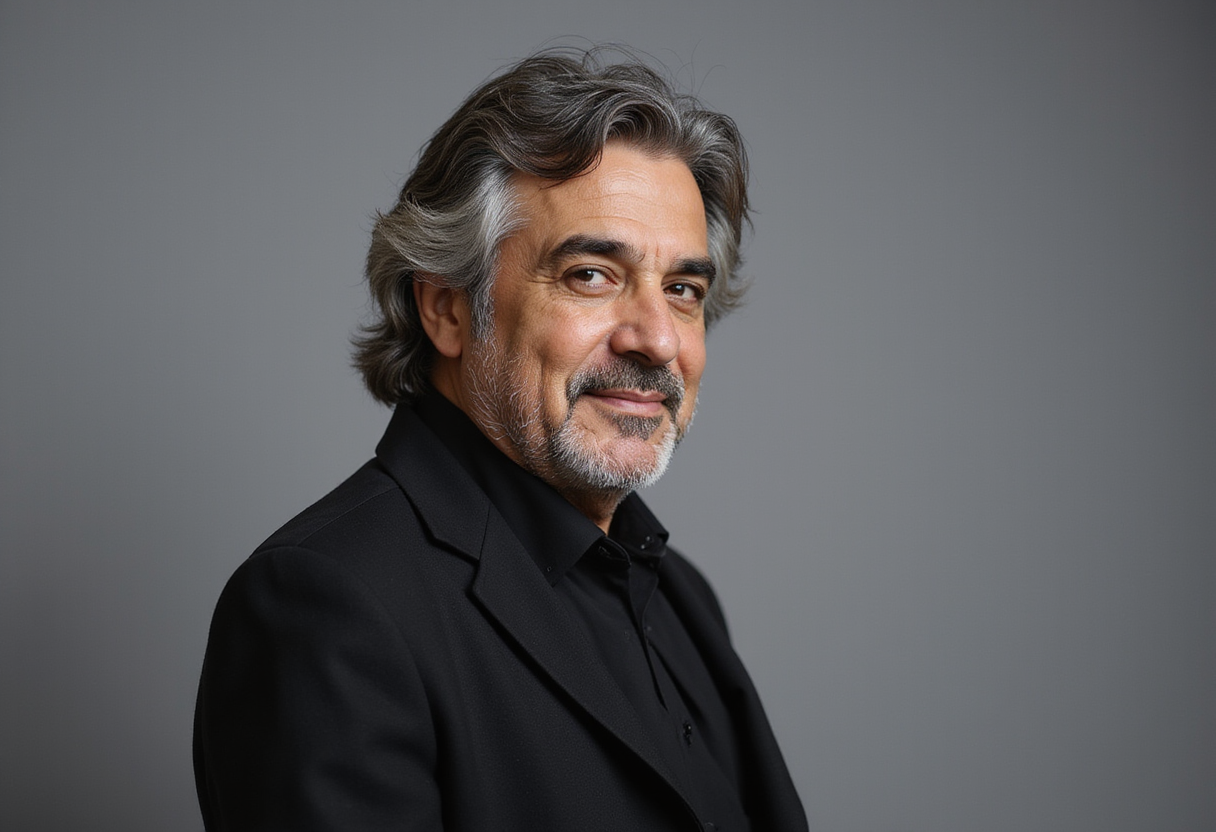
Indonesia's highest Islamic council formally asked the government on Wednesday to block two Andrea Bocelli concerts, including a performance at Borobudur. The Italian tenor now stands at the center of a standoff over his Israel ties.
The Indonesian Ulema Council — the country's peak body of Islamic clerics — met with officials from the Ministry of Tourism in Jakarta to press its case, the Associated Press reports. The concerts belong to Bocelli's Romanza 30th Anniversary World Tour Indonesia.
The council first announced its opposition on Oct. 10. Wednesday's meeting escalated it from statement to bureaucracy.
Why does the council object?
The clerics cite two specific acts by Bocelli. First, his participation in a 2010 fundraiser in Los Angeles benefiting the Israel Defense Forces. Second, a 2022 concert in Tel Aviv. Both, the council argues, are incompatible with the views of many in the Muslim-majority country.
That framing matters. This is not a complaint about the music, the venue or the ticket prices. It is a political judgment carried by an artist's CV, applied retroactively across more than a decade.
What is at stake at Borobudur?
One of the two contested dates is scheduled at Borobudur, one of Indonesia's most iconic historical sites — a 9th-century Buddhist temple and, more awkwardly for the council's framing, not an Islamic one. The other venue has not been named in the reporting.
The Ministry of Tourism now holds the decision. It has not, according to the Associated Press report, announced a ruling. The tour presumably still exists on paper, which is more than some promoters can say at this stage of a controversy.
The precedent problem
Bocelli is hardly the first Western artist to face boycott calls over Israel-related performances, but the Indonesian case carries a structural wrinkle. Here the objection comes from a quasi-official religious council with direct access to ministry officials, not merely from activist campaigns or petition drives.
That changes the arithmetic for any promoter booking international acts in Indonesia. A single benefit appearance from 2010 — fifteen years old — apparently suffices as grounds for a formal ban request.
For Bocelli, the stakes are a pair of dates. For the ministry, the stakes are a choice between a global brand and a domestic institution with considerable moral authority.
Watch the Ministry of Tourism's response. If it cancels, every artist who has ever played Tel Aviv will think twice before adding Jakarta to a rider. If it doesn't, the council will have learned the limits of its reach. Either way, someone's 2026 calendar gets shorter.
By Daniel Okafor
Original: kdhnews.com
More from Daniel Okafor
Show full bio
News editor covering companies, deals and strategy in arts in the broadest sense at Arts & Voices.
496 articles