Ireland's Secret Room of 12,000 Banned Books Goes to the National Archives
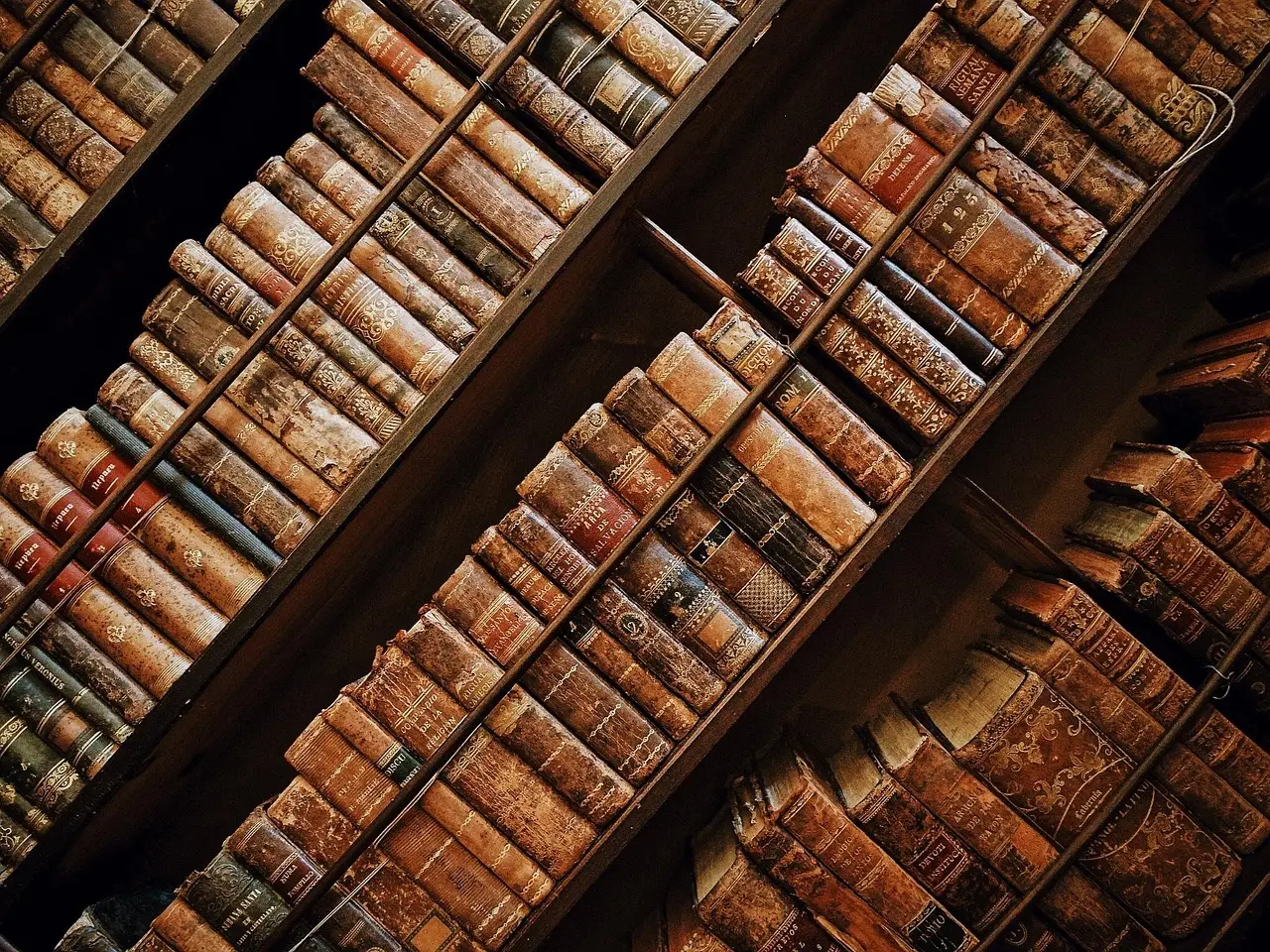
Ireland's justice department kept 12,000 banned books — Wilde, Behan, Salinger, Edna O'Brien — in a room on St Stephen's Green for 70 years. They move to the National Archives after Christmas.
Programme
- 12,000 banned books, including works by Wilde, Behan and Edna O'Brien, were kept in a room on St Stephen's Green for 70 years and move to the National Archives after Christmas.
- An estimated 350,000 people filled Prague's Letná Park to oppose PM Andrej Babiš's plan to fund public media with 15% less money.
- About 130 artists at Opéra Nice Côte d'Azur are striking through year's end despite a record 115,000 spectators last season.
- China's first fully AI-generated feature, Sanxingdui: Future Past, cost 10 million yuan and grossed 1.7 million.
- Archaeologists at Troy unearthed the site's first musical instrument, a 2,800-year-old bone flute.
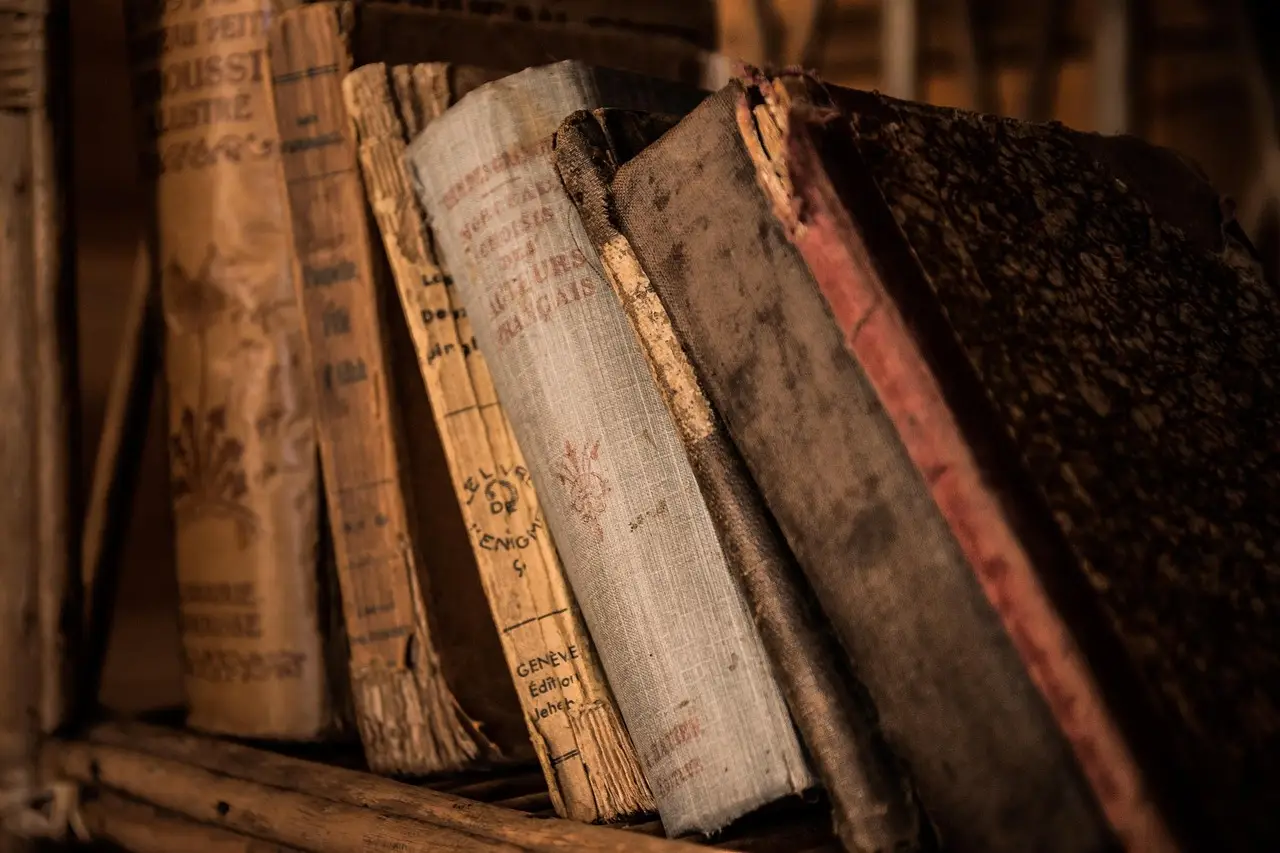
For seven decades, Ireland's justice department kept 12,000 banned books in a room on St Stephen's Green in Dublin. After Christmas, the collection moves to the National Archives, The Guardian reports — along with the censors' notes explaining every ban.
The room held works by Oscar Wilde and Brendan Behan, J.D. Salinger, and Edna O'Brien's The Country Girls, which was banned partly for its cover. The transfer will place both the suppressed books and the paper trail of state censorship under public scrutiny for the first time.
What does this change for the public? The books and the censors' files become archive material, open to researchers and readers rather than locked in a government department.
Ireland's revelation was not the week's only story of institutions under pressure.
What happened to Washington's opera company?
Washington National Opera left the Kennedy Center in January. Its first grand opera since the departure, Nixon in China starring Renée Fleming, now plays DAR Constitution Hall — a concert hall never built for theater, with a stage pushed out over a floor of cocktail tables, according to The Washington Post. The company is staging full-scale opera in a space designed for banquets and lectures, not staging.
Why did 350,000 people fill a Prague park?
An estimated 350,000 people gathered in Prague's Letná Park, the rallying ground of the Velvet Revolution, the Los Angeles Times reports. They oppose Prime Minister Andrej Babiš's plan to fund public radio and television from the state budget, with 15% less money. The scale of the protest, on ground synonymous with Czech civic resistance, signals how sharply the media-funding overhaul has divided the country.
Why are Nice's opera artists on strike?
About 130 musicians, singers and dancers at the Opéra Nice Côte d'Azur are striking through the end of the year, franceinfo reports. Some say they can no longer afford to live in Nice. The strike comes despite a record season: the house drew 115,000 spectators last year, its highest figure yet. The dispute pits the city's artistic success against the cost of living for the people who produce it.
How did China's first AI feature film fare?
China's first fully AI-generated feature film, Sanxingdui: Future Past, took 100 people two years and 10 million yuan to make. It grossed 1.7 million, La Vanguardia reports. The gap between production cost and box-office return — a shortfall of more than 8 million yuan — marks a sobering commercial debut for fully generative feature filmmaking in Chinese cinemas.
What did archaeologists find at Troy?
Excavators at Troy found the site's first musical instrument: a 2,800-year-old bone flute, dating from roughly Homer's time, Open Culture reports. The instrument offers the first direct material evidence of music at the site associated with the Iliad and the Odyssey.
From a locked Dublin room to a Trojan flute, the week's stories trace a common thread: artifacts of culture surfacing, surviving or being fought over. The National Archives transfer means Ireland's censorship record — the books and the reasons given for banning them — will soon be readable by anyone.
Source: artsjournal.com
More from Marcus Bennett
Show full bio
Staff writer covering people, launches and day-to-day practice in arts in the broadest sense at Arts & Voices.
1,493 articles