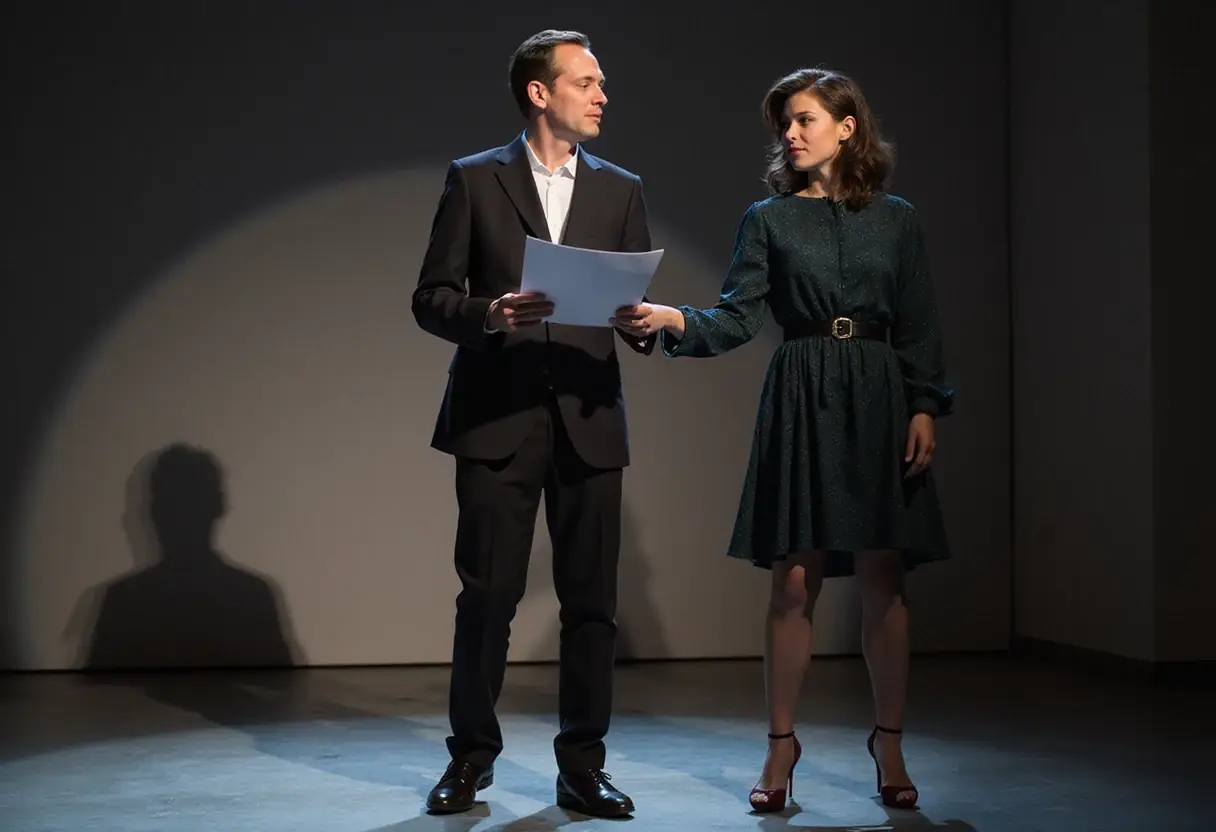
“Jimmy” Review: Cornball, Combat Pilot and a Big Heart
Two-hour, PG-13 biopic “Jimmy” stars KJ Apa as Jimmy Stewart and links his combat service to “It’s a Wonderful Life.” The review praises Apa, calls the script heavy-handed and finds genuine warmth.

Programme
- “Jimmy” is a 2-hour, PG-13 biopic directed by Aaron Burns.
- KJ Apa portrays Jimmy Stewart, a World War II combat pilot in the United States Army Air Corps.
- The review links the biopic to Frank Capra’s 1946 film “It’s a Wonderful Life.”
- Three projects receive renewed attention this fall: a Capra biography, a Broadway adaptation and “Jimmy.”
By Elena Vasquez
The two-hour, PG-13 biopic “Jimmy,” directed by Aaron Burns, links Jimmy Stewart’s World War II combat service to the 1946 classic “It’s a Wonderful Life,” according to the review.
The review’s verdict is blunt: “Cornball? Absolutely. But Heck, It’s Got Heart.”
What wartime history drives “Jimmy”?
The review calls Burns’s film sappy-sincere and says it focuses mostly on wartime events. Stewart served as a combat pilot in the United States Army Air Corps during World War II. The review credits Justin Strawhand as screenwriter. His script follows Stewart’s experience through aerial combat missions, romantic interludes and uplifting speeches to fellow soldiers.
The review opens from a seasonal premise: Christmas approaches, and “It’s a Wonderful Life” returns to the foreground. Frank Capra directed the 1946 film. Stewart plays George Bailey, a family man. A guardian angel saves him from suicide and grants a second chance during the holidays.
This fall, renewed Capra attention spans three projects. They are a new biography, a Broadway stage adaptation and Burns’s biopic. The review treats “Jimmy” as part of that wave, although its principal material remains the wartime story rather than Capra’s biography or the stage adaptation.
Takeaway: Stewart’s war service becomes the route into Capra’s screen mythology.
How does KJ Apa carry the lead?
KJ Apa plays Stewart, and the review calls his performance terrific. According to the reviewer, Apa mimics the star’s unmistakable affect and aw-shucks charm without mocking him. In the review’s assessment, Apa’s performance carries the biopic through combat, romance and morale-building speeches, sustaining the film’s sentimental register while the script turns schematic. The reviewer also places Stewart’s Pennsylvania farm-boy origins beside his later life as a Hollywood leading man. Apa supplies the link between those identities. The reviewer treats his work as the film’s strongest element, while holding the screenplay responsible for tying private trials to Capra’s inventions.
Takeaway: Apa supplies conviction even when the script becomes schematic.
What does the “Wonderful Life” echo reveal?
The review says Strawhand’s script ties Stewart’s personal trials to Capra’s cinematic fictions too heavy-handedly. Its clearest example arrives early. Stewart sits alone in a church, says he is “not much of a praying man” and then asks God for help during the early scenes. The reviewer calls the two moments almost identical. In the recreated sequence, George weeps at Martini’s bar and asks heaven to deliver him from despair. The parallel carries the review’s central claim: Stewart’s wartime faith and Capra’s crisis-of-conscience drama form one direct line. After setting aside veracity, the reviewer labels the result cornball. For the review, the comparison operates through emotional resemblance, not proof that Stewart’s biography reproduced George Bailey’s story. The source treats the echo as the film’s organizing device rather than a minor stylistic echo.
Takeaway: The resemblance powers the film, although the screenplay presses it too hard.
Is the sentiment worth the compromise?
The reviewer says viewers should either surrender to the film’s tear-soaked sincerity or reject it, while suggesting that only Scrooges would dismiss its emotional design. The film wears its big heart on its tear-soaked sleeve, according to the review. That defense does not erase the critique. Burns’s film remains sticky-sweet, heavy-handed and committed to making the Stewart–Bailey connection legible. The review locates the appeal in emotional excess, not narrative subtlety. The review supplies practical details for prospective viewers:
- Genres: Biography, drama and war
- Rating: PG-13, for restrained combat violence
- Running time: 2 hours
- Availability: In theaters
With the Capra biography and Broadway adaptation arriving this fall, viewers can compare both projects with “Jimmy.”
Takeaway: That renewed attention will test whether “Jimmy’s” warmth outweighs its heavy-handed script.
Source: NYT Arts
More from Elena Vasquez
Show full bio
Senior reporter covering technology and product news in arts in the broadest sense at Arts & Voices.
1,063 articles