Kanal opens 40,000-square-metre museum as London Museum debuts
Brussels's Kanal claims Europe's largest museum development at 40,000 sqm, while London Museum opens in Smithfield after a decade-long architectural transformation.

Programme
- Kanal opened in Brussels with a 40,000-square-metre museum development, three added volumes and a renovated 1930s Citroën Garage.
- London Museum opened after a 10-year transformation of the 1880s Smithfield General Market.
- The London Museum has two main gallery spaces, including a subterranean exhibition at Roman street level.
- IKEA named Wild Fig its Colour of the Year for 2027.
- RIAS named Edinburgh Futures Institute its 2026 Andrew Doolan Best Building in Scotland winner.
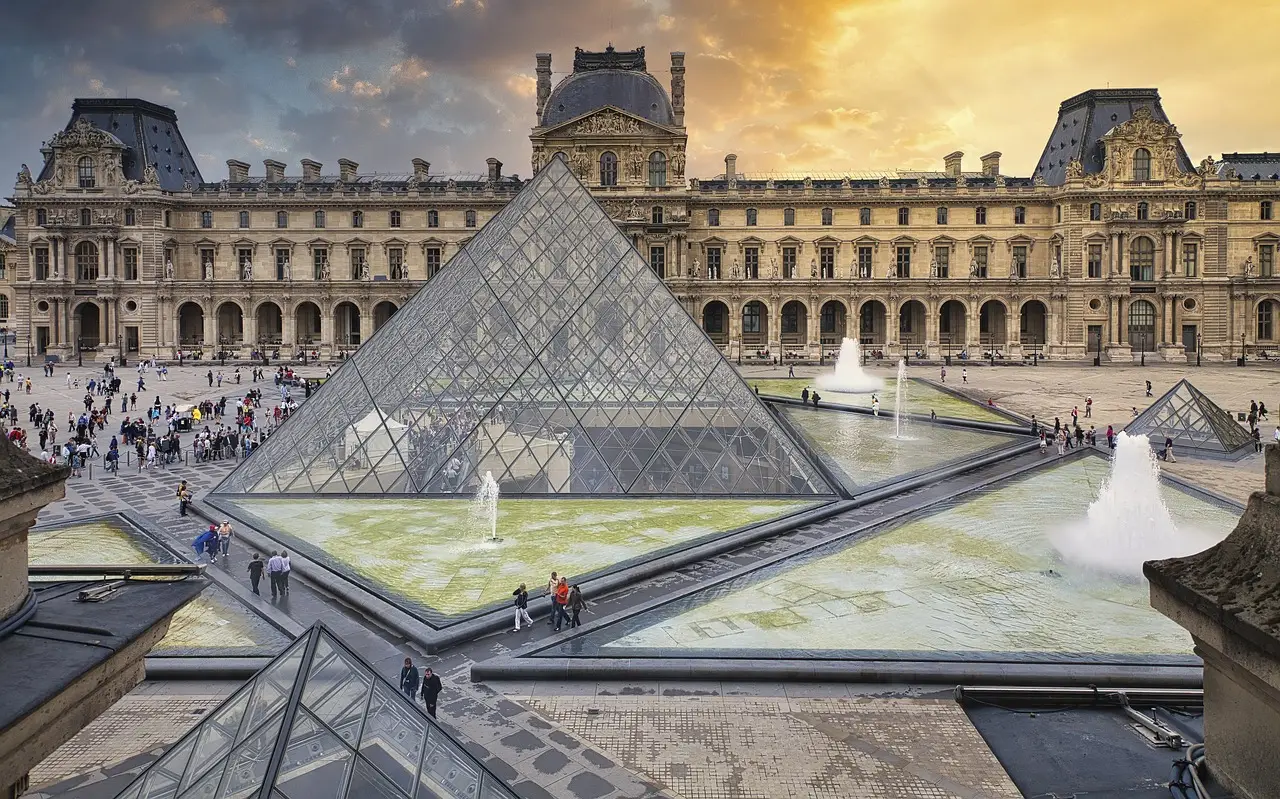
Kanal, a 40,000-square-metre museum development in Brussels, opened this week and claims to be "Europe's largest museum development", according to Dezeen.
Atelier Kanal renovated the 1930s Citroën Garage and added three volumes within its structure, creating a modern art and architecture museum with exhibitions developed with Paris's Centre Pompidou. The 40,000-square-metre claim applies to the development as a whole, not simply to the garage.
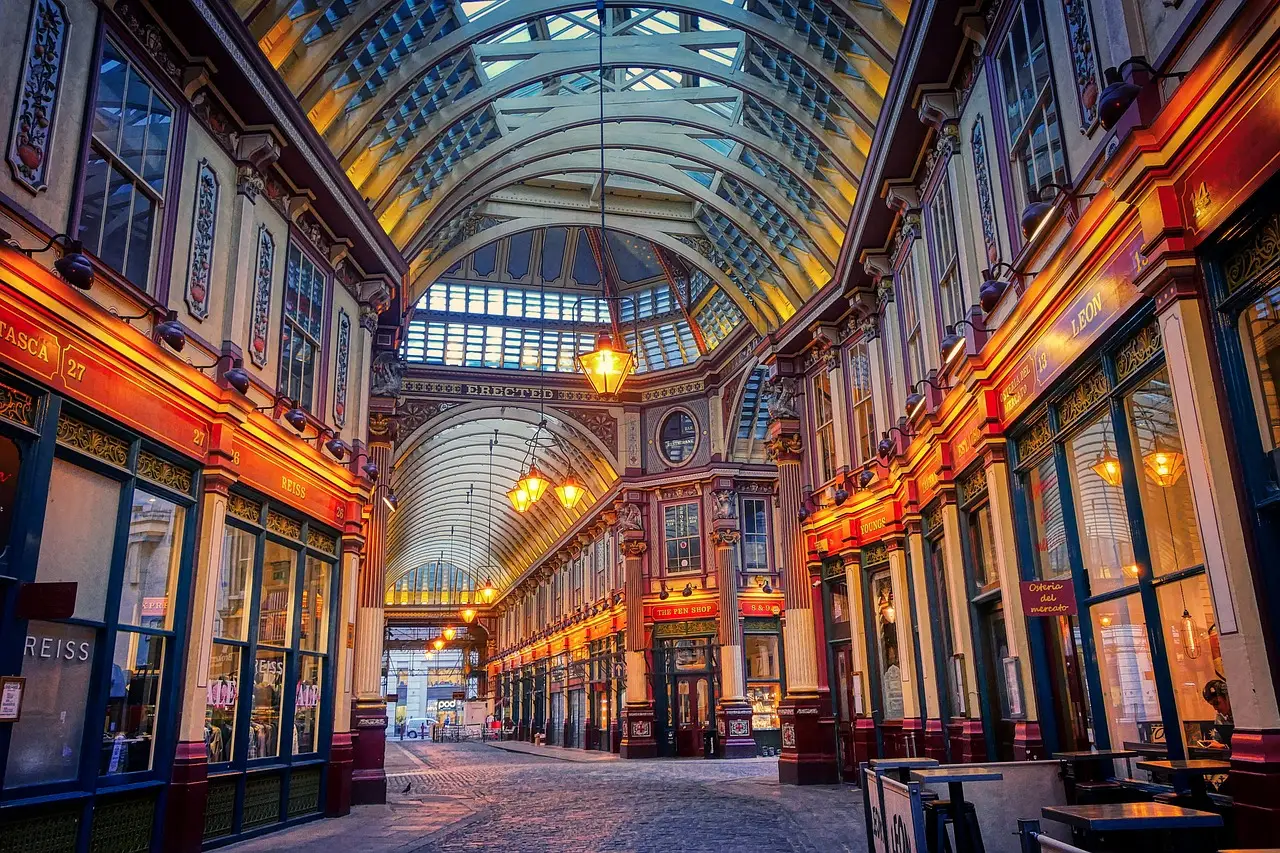
Dezeen also reported the opening of the London Museum in the transformed Smithfield General Market, an 1880s London market. Stanton Williams, Asif Khan and Julian Harrap Architects completed the project after ten years in the making.
What does the London Museum change for visitors?
Dezeen described the renovated Victorian market building as containing two main gallery spaces: an airy open space and a subterranean exhibition at Roman street level. For visitors, the practical change is two distinct settings for London's history, one open above ground and the other below it.
Both galleries occupy a building begun as Smithfield General Market, rather than a purpose-built museum. The 1880s structure now holds artefacts from the capital's history, linking the building's original function to the collection it presents.
Design choices and emerging practices
IKEA announced Wild Fig, a deep reddish-purple, as its Colour of the Year for 2027. The retailer said the colour "unexpectedly fits in", whether used in furnishings, accessories or painted across entire walls. The choice treats one hue as adaptable across objects and architecture, while Dezeen's accompanying image showed the PS 2026 Lamp by Lex Pott.
Following the announcement of this year's Dezeen Awards winners, Dezeen rounded up key projects by the awards' emerging designers of the year. Notable works by emerging architect of the year Kuma&Elsa include a house in Japan and a bathing pavilion designed for the Osaka World Expo 2025.
Projects by emerging designer of the year Simon Skinner include sculptural lighting made from secondhand glassware and afro combs. The selection moves from a house and an exposition pavilion to lighting that gives reused objects a sculptural function.
Institutional recognition and reader interest
The Royal Incorporation of Architects in Scotland (RIAS) named the Edinburgh Futures Institute the winner of the Andrew Doolan Best Building in Scotland for 2026. Dezeen reported that UK studio Bennetts Associates renovated the Category A-listed Victorian building, formerly an infirmary, and integrated new teaching and work spaces for the University of Edinburgh.
Dezeen's popular projects of the week included an art gallery in Doha adorned with kaleidoscopic patterns, Desai Chia Architecture's Bethesda Residence, a Maryland house punctured with lightwells, and a renovated home in Yorkshire designed to feel like a wine bar. Their defining devices are kaleidoscopic pattern, punctured light and a wine-bar atmosphere.
Why wooded buildings remain contested
Dezeen's weekly podcast followed the publication's investigation into greenwashing claims about putting trees on buildings. The episode looked at why wooded buildings are so controversial, placing the visibility of those schemes against the environmental claims made for them.
Across these projects, adaptation links a garage to a museum, a market to civic history, and an infirmary to university work. The coming months will show whether the new cultural institutions sustain public interest and whether projects putting trees on buildings can answer the greenwashing claims examined by Dezeen.
Source: dezeen.com
More from Marcus Bennett
Show full bio
Staff writer covering people, launches and day-to-day practice in arts in the broadest sense at Arts & Voices.
1,791 articles