Kathleen O'Mara Steps In as SF Opera Orchestra Gives Vivid, Uneven Strauss Night
Kathleen O'Mara replaced the ailing Adela Zaharia on Nov. 6 as Eun Sun Kim led the SF Opera Orchestra in Till Eulenspiegel, Four Last Songs and a new 40-minute Rosenkavalier suite.
Programme
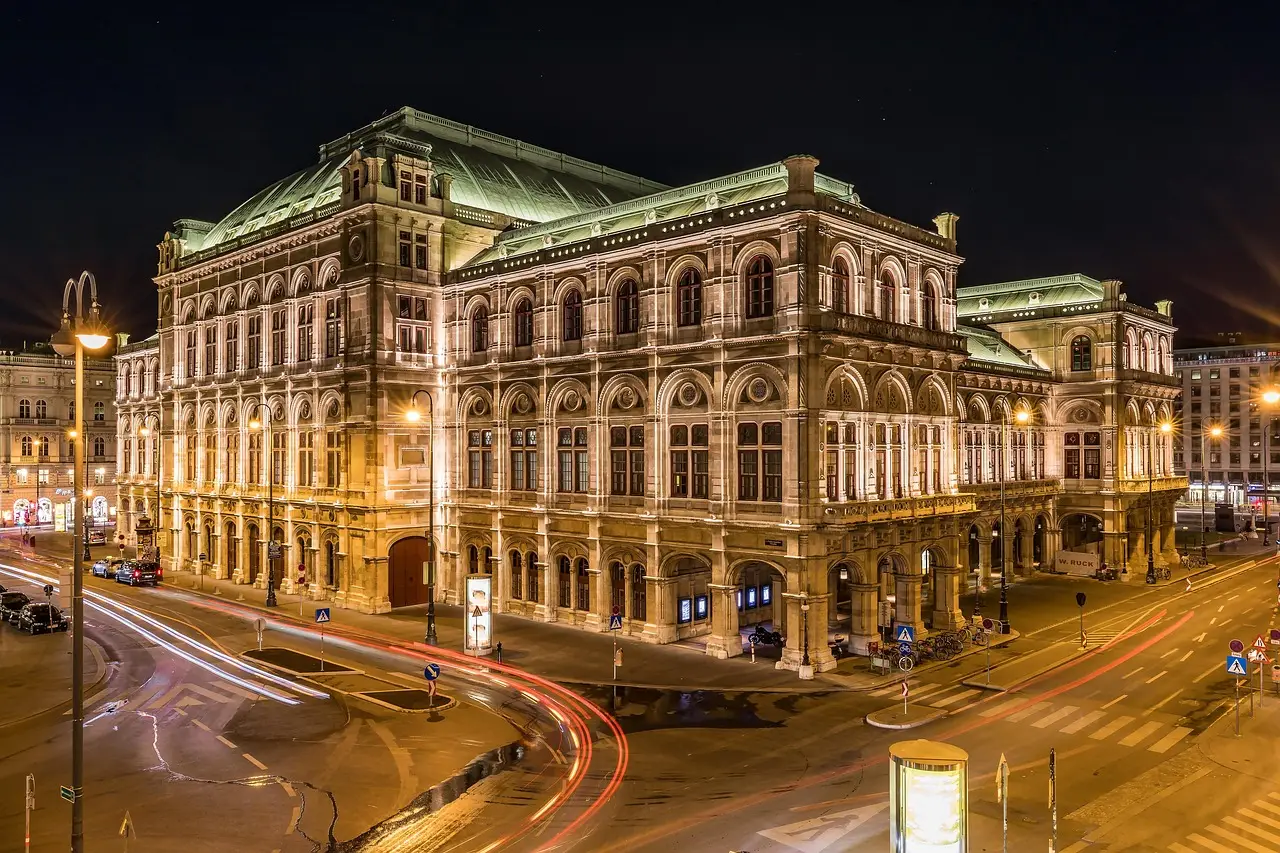
- The San Francisco Opera Orchestra played an all-Strauss concert on Friday, Nov. 6, at the War Memorial Opera House.
- Soprano Kathleen O'Mara stepped in for the ill Adela Zaharia, singing the Four Last Songs (1948).
- The program included the North American premiere of a 40-minute Der Rosenkavalier suite arranged by Philippe Jordan and Tomáš Ille.
- Music Director Eun Sun Kim conducted the one-night-only performance.
Soprano Kathleen O'Mara replaced the ailing Adela Zaharia on Friday, Nov. 6, joining the San Francisco Opera Orchestra for a one-night-only "Strauss in Concert" program at the War Memorial Opera House. Music Director Eun Sun Kim conducted.
The career-spanning program opened with the puckish tone poem Till Eulenspiegel's Merry Pranks (1895) and closed with a new, longer suite from the opera Der Rosenkavalier (1911).
Zaharia withdrew due to illness, forcing a mid-course correction. O'Mara sang Strauss' Four Last Songs (1948) instead of the longer Brentano Lieder Zaharia was slated to perform.
What did the change deliver on stage?
Sometimes the unexpected delivers fresh dividends. Such was the case with Till Eulenspiegel, a late addition to fill out the bill. After a tender once-upon-a-time opening, the trickster made his presence felt through a brawny horn solo by Kevin Rivard and a nimble, insinuating response from clarinetist Joshua Choi. The pair, with adept colleagues, gave the piece a keenly articulated momentum.
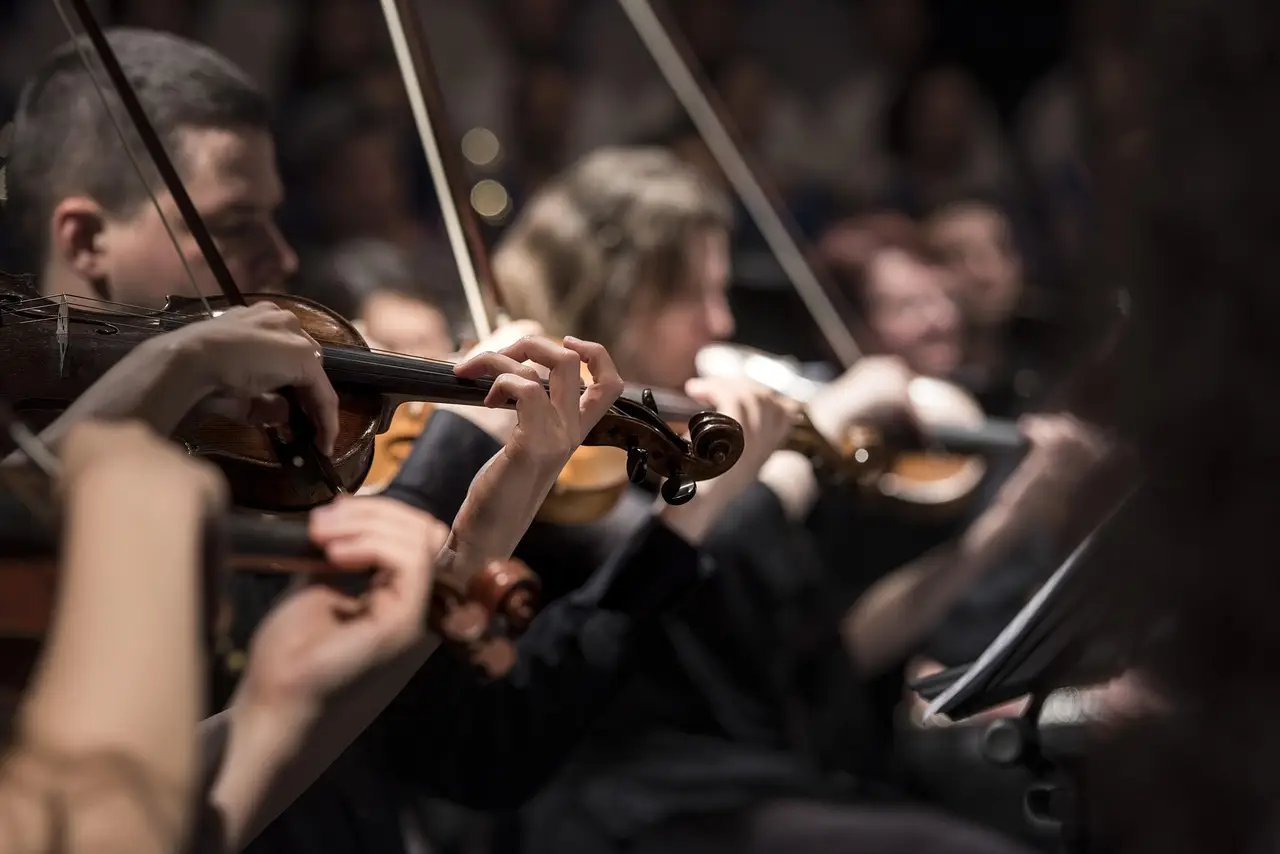
The concert format literally lifts the players from the orchestra pit and lets them be seen and heard as the main attraction. A classy, gilded backdrop added to the sense of occasion.
Kim and the orchestra were on their game throughout the prankster's tightly wrought adventures. Even without knowing that Strauss depicts his antihero plowing through a market on his horse, ogling women and taunting priests, the scene comes through in the mocking brasses, galumphing basses and clattering percussion. The piece ends with a grim funeral march and execution — a climax, as vividly played here, akin to that of Hector Berlioz's Symphonie fantastique.
How did O'Mara fare in the Four Last Songs?
If the Four Last Songs do not form a structurally cohesive whole, Strauss' luminous settings of nature-centric texts by Hermann Hesse and Josef von Eichendorff cast an enveloping spell.
O'Mara's pearlescent tone and smoothly gliding phrases served the first and third songs, with their wandering lines, especially well. But her voice fell off notably in the middle and lower register, and her interpretation never fully conveyed the songs' emotional weight.
Still, when she floated a high note or sustained a long phrase, O'Mara brought a lucid touch to these autumnal meditations on falling acacia leaves, larks "rising dreamily" in the mist and the soul's soaring flight.
What is the new Rosenkavalier suite?
The second half brought the North American premiere of a new, longer Der Rosenkavalier suite arranged by conductor Philippe Jordan and composer Tomáš Ille. Several suites already exist with music from the popular opera.
At 40 minutes, the piece had plenty of room to invoke various episodes — impetuous young love, May-December romance and a courtship ritual involving a silver rose. Above all, it gave ample space to the famous waltzes, by turns dreamy, urgent, desolate, bawdy and rueful, rising and receding in different guises.
Kim and the orchestra let out all the stops, from surging ensemble passages to bravura solo work, with concertmaster Maya Cohen deserving particular mention. But the performance had rough edges. Tempos were sometimes rigid, there were ragged patches, and the woodwinds were too loud in the finale.
Kim closed the suite with the opera's chittering little coda, capturing a pageboy scampering on and offstage — one last gratifying musical prank, and a reminder of what this orchestra can do when it steps out of the pit.
Source: sfcv.org
More from Marcus Bennett
Show full bio
Staff writer covering people, launches and day-to-day practice in arts in the broadest sense at Arts & Voices.
1,282 articles