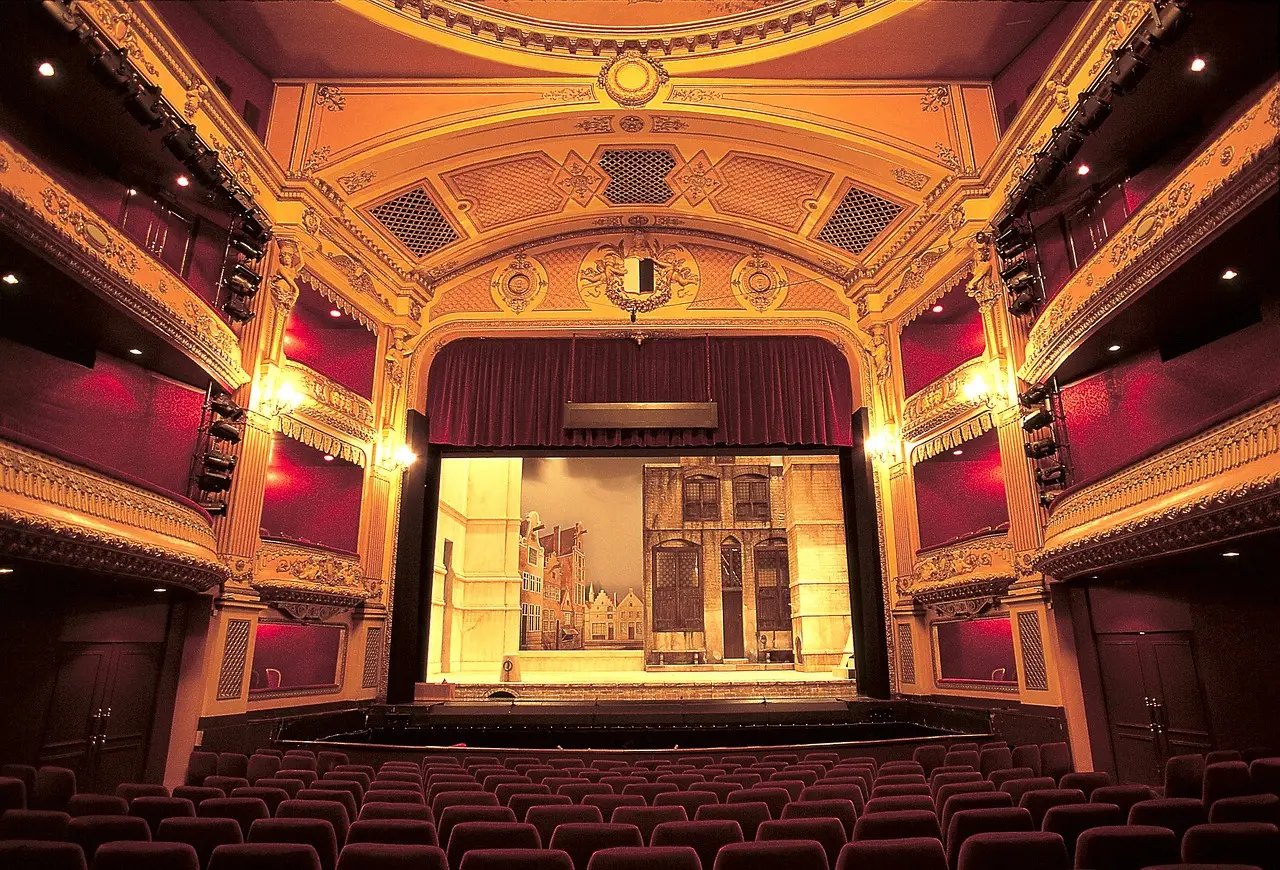
Kyle Ketelsen leads Lyric Opera’s season-opening Don Giovanni
Kyle Ketelsen’s Don Giovanni leads Robert Falls’s 1920s-Spain production, as four singers debut and Enrique Mazzola conducts Lyric Opera of Chicago on 30 October 2026.
Programme
- Lyric Opera of Chicago opened its 2026-27 season with a reprise of Robert Falls’s Don Giovanni.
- The reviewed performance took place at Civic Opera House on 30 October 2026.
- Kyle Ketelsen sang Don Giovanni in the production’s final two performances.
- Nina Solodovnikova, Anna El-Khashem, Tommaso Barea and David Leigh made four Lyric Opera debuts.
- Enrique Mazzola conducted the Chorus and Orchestra of Lyric Opera of Chicago.
By Elena Vasquez
What did the season opening establish?
Salvatore Calomino’s review records that Lyric Opera of Chicago opened its 2026-27 season with a reprise of Robert Falls’s staging of Wolfgang Amadeus Mozart’s Don Giovanni, set in 1920s Spain.
Calomino’s review of the 30 October 2026 performance at Civic Opera House in Chicago featured Kyle Ketelsen as Don Giovanni. Four singers made Lyric Opera debuts across the production’s final two performances: Nina Solodovnikova, Anna El-Khashem, Tommaso Barea and David Leigh.
Calomino described the overture as combining generously slow and brisk tempos. Tommaso Barea’s Leporello stood guard outside the Commendatore’s house, contemplating servitude, poor conditions and his ambition to become “il gentiluomo.” Barea played the monologue as understated self-reflection, detached from the wider world. Donna Anna’s sudden arrival with Don Giovanni interrupted those musings.
Calomino found Mané Galoyan’s Donna Anna in a storm of amplified cries and complex feeling. Although Anna protested that she would follow her betrayer “come furia,” Galoyan gave the line a lyrical sheen suggesting her earlier attraction to Giovanni.
Calomino also described David Leigh’s Commendatore as fighting to shield his daughter and demanding recompense from the “indegno.” Don Giovanni fired the production’s gun and killed him.
Calomino credited the repartee between Leporello and his master with sharpening Ketelsen’s mastery. The Don’s humor, domination and dependence on Leporello exposed his needs before the pair fled. Ketelsen’s movements and vocal display carried the audience into the character’s world and mind. The opening established a clear contrast between Galoyan’s lyrical Anna and Barea’s watchful, understated Leporello.
How did Elvira and Zerlina sharpen the conflict?
Calomino said Donna Anna and Don Ottavio returned as multidimensional figures, not cardboard characters. After Anna found her father’s body, her response moved from helpless shock to demands for revenge. Galoyan combined emotional outbursts with soft, introspective passages. Lawrence Brownlee’s Ottavio punctuated Anna’s confusion with calls for reason and a sober course.
Calomino described Donna Elvira’s entrance on a period motorcycle, dressed for that mode of transport. Nina Solodovnikova sang “Ah, chi mi dice mai” in a consistently harsh tone, linking the sound to Elvira’s compromised position.
Calomino noted an absence of wistful lyricism, even as Elvira reflected on past and present. The Don’s interest in an apparently vulnerable stranger prompted Ketelsen’s vocal embellishments and melisma, ending on the iconic “Signorina.”
After Elvira’s identity emerged, Leporello had to absorb her resentment. Calomino praised Barea’s “Madamina” for lush, idiomatic emphasis and his rubato on “Ma in Espagna.” Elvira’s attention gave way to astonishment at Leporello’s account.
An abrupt move to open countryside near Giovanni’s house brought Zerlina and Masetto into dance and song with peasants. Calomino said both fulfilled their stock roles well: El-Khashem played Zerlina pert and cheerful, while Christopher Humbert, Jr. anchored Masetto with stability. Ketelsen made Giovanni’s appraisal seductive and self-assured; El-Khashem answered his advances with naïve rapture.
Calomino heard “La ci darem la mano” in abandoned lightness, as if the pair moved through a dream, until Donna Elvira returned to shield Zerlina. The contrast sharpened the production’s central tension between seductive power and the women’s resistance.
How did the arias and disguise carry Act II?
Calomino said Donna Anna and Don Ottavio re-entered to seek Giovanni’s help before his parting words awakened Anna’s memory. A sequence of arias then prompted reflection. Galoyan transformed “Or sai chi l’onore” from a plaintive search into an unyielding call for justice, using dramatic top notes and legato to develop Anna’s character.
Brownlee’s “Dalla sua pace” blended soft, decorated lines with effortless control on “Morte mi da.” Calomino linked Brownlee’s portrayal to his cause beside Anna. Ketelsen answered from seclusion with Leporello in “Finche han dal vino,” countering detractors through rapid passagework, embellished lines and a defiant attack, making the familiar aria fresh.
Calomino praised the final ensemble after Zerlina reconciled with Masetto and masked guests appeared at Giovanni’s estate. Ketelsen moved agilely as Giovanni tried once more to abduct Zerlina, then escaped her rescuers. The sequence produced an interim mixture of triumph and frustration. Act II began with an exchange of identity: Don Giovanni wore Leporello’s cloak and serenaded Elvira’s maid.
Calomino noted that Donna Elvira had left with her supposed former suitor. Accompanied by Leporello’s mandolin, Ketelsen sang “Deh vieni ala finestra” with aching richness and enticement. Calomino noted how Ketelsen bent phrases and shifted volume for emphasis. Ensemble-led set pieces followed. El-Khashem gave Masetto “Vedrai carino” close attention to line and delicate decoration.
Calomino described Brownlee’s “Il mio tesoro” as a tour de force of emotional duty and love after Ottavio declared certainty about Giovanni’s guilt. He praised Brownlee’s control on “vendicar io vado” and his interpolated top pitches, which sharpened his dedication to Anna. These passages made the Act II disguise a contest over vocal authority rather than a comic detour.
What brought Giovanni to judgment?
Calomino said Giovanni’s invitation to the Commendatore, now represented by a stone statue, prepared the final scenes, musical numbers and downfall. As Don Giovanni waited, Donna Elvira appeared and articulated conflicting emotions. Solodovnikova’s “Mi tradi” continued her anger and rage, but Calomino found less variety in the vocal approach than earlier.
Calomino said Elvira’s revenge took a literal form: she wounded Giovanni with an interpolated pistol shot before leaving. He described Donna Anna’s “Non mi dir” as growing in intensity, with striking top notes and delicate trills near the close, strengthening her final commitment to Ottavio.
The confrontation with the stone guest produced the final dramatic charge. Calomino described the statue arriving in a surround of light and making recurrent demands that Giovanni refused. Leigh and Ketelsen offered complementary responses while the dining table inverted and Giovanni slid toward punishment. The final sextet let the characters consider past experiences and future prospects.
The credits list Mozart’s music, Lorenzo da Ponte’s libretto and Enrique Mazzola conducting the Chorus and Orchestra of Lyric Opera of Chicago. Walt Spangler designed the sets, Ana Kuzmanic the costumes and Duane Schuler the lighting. Andrew Cioffi supplied the photographs.
Calomino’s account sets a defined benchmark for Lyric Opera’s 2026-27 season: a 1920s-Spain staging, four company debuts and a title role anchored by Ketelsen’s vocal and physical command.
Source: operatoday.com
More from Elena Vasquez
Show full bio
Senior reporter covering technology and product news in arts in the broadest sense at Arts & Voices.
1,617 articles