Replicas Trigger 'Bayeux Bounce' as UK Museums Ride Tapestry Fever
Reading Museum reports a 74% visitor surge thanks to its Victorian Bayeux Tapestry replica, as UK museums cash in on the British Museum's sold-out £33 exhibition of the original.
Programme
- Reading Museum recorded a 74% footfall increase since October — 16,693 visitors — driven by its Victorian Bayeux Tapestry replica.
- The British Museum's showing of the original, on loan until July next year, costs £33 and has sold out numerous times.
- Reading's replica has tours booked until June 2027, with donations up 83% and shop sales up 93%.
- Great North Museum: Hancock saw 3,107 more visitors this October, a 23% year-on-year rise.
- The Nicholson Institute in Staffordshire will display its copy from January 12 to March 31, 2027.
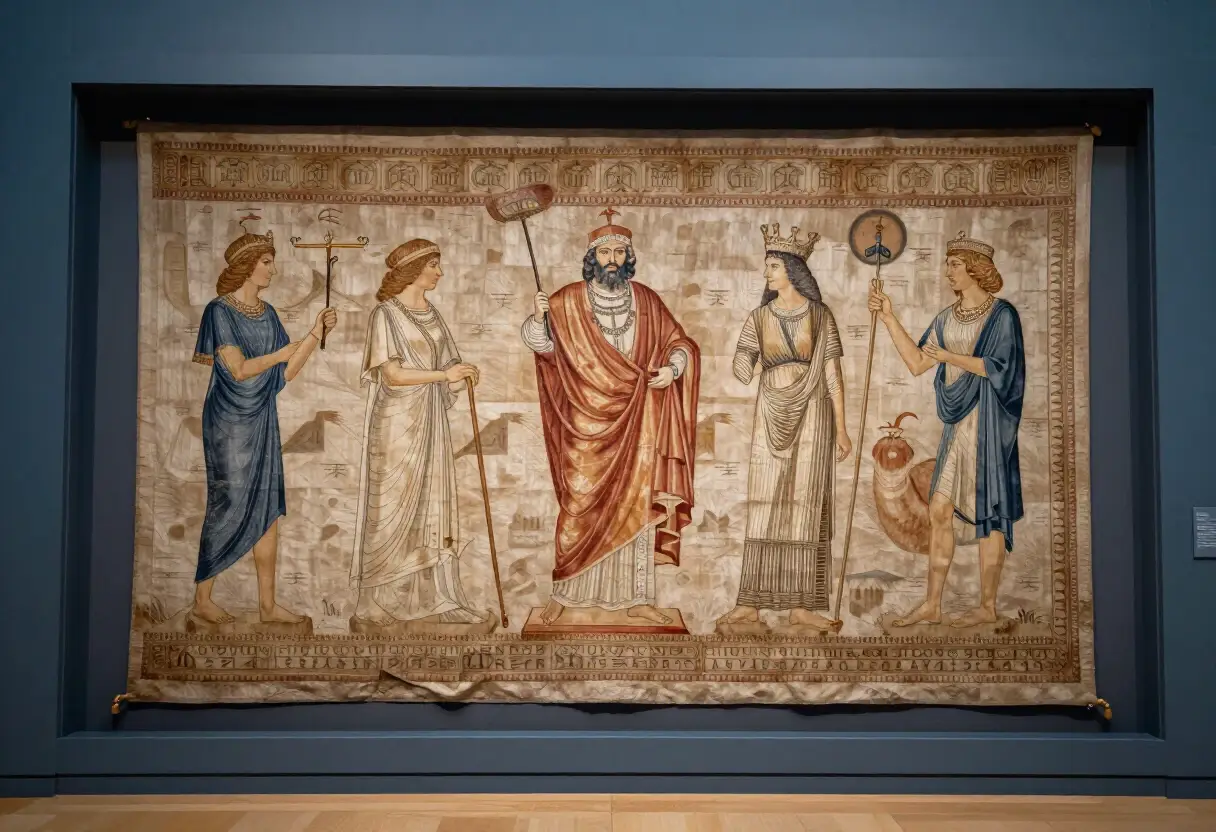
Reading Museum has recorded a 74 percent rise in footfall since October — 16,693 visitors — driven by its Victorian replica of the Bayeux Tapestry, according to the Museums Association, which has labelled the effect a "Bayeux bounce" across UK institutions.
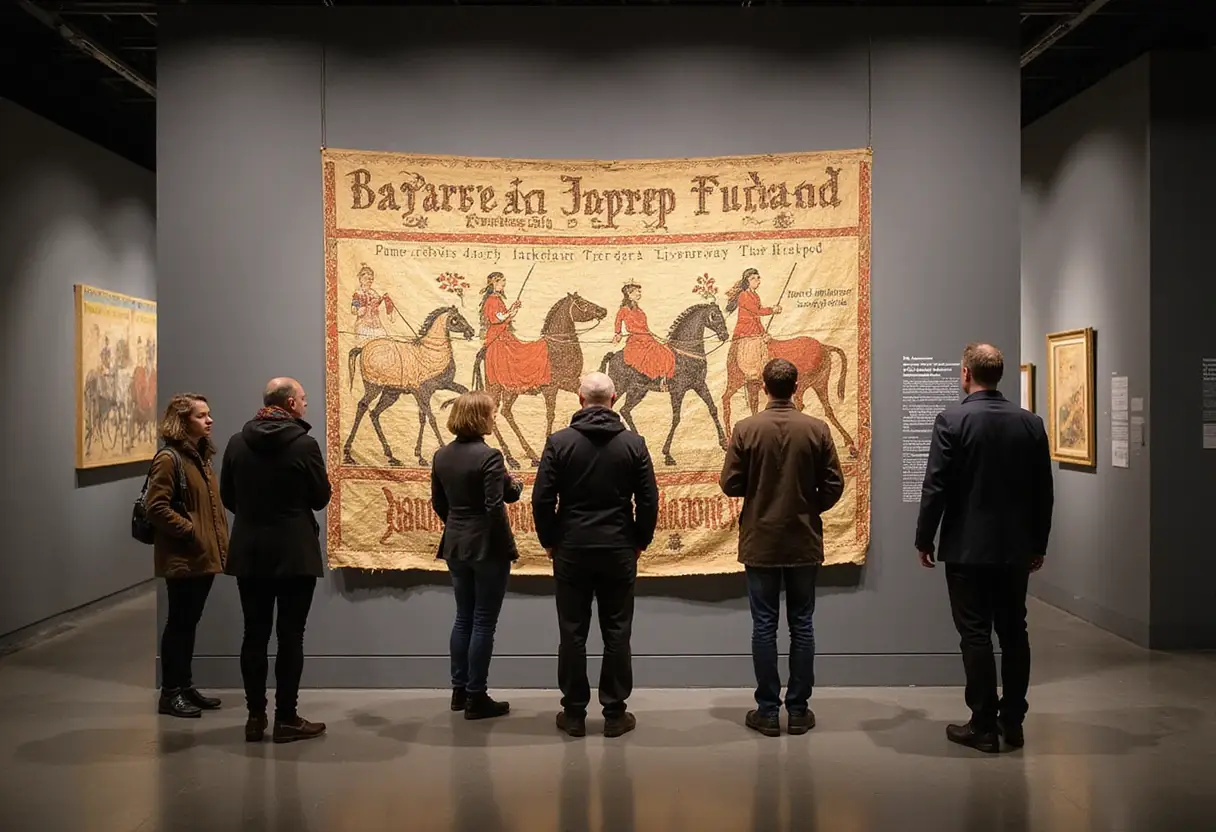
The original tapestry, a 230-foot linen scroll populated with 58 scenes, is on loan to the British Museum until July next year. Tickets to that presentation have sold out numerous times. The museum charges £33 and bans photography to control the long queues. Reading Museum offers the opposite: free entry and cameras permitted.
Museum manager Matthew Williams said staff levels have risen to cope. "We have trained more staff to deliver our public tours and recruited more welcome volunteers to help us manage the crowds, especially at weekends and school holidays," Williams said. "We have made sure to keep our website updated to manage expectations and to clearly show when the [replica] Bayeux Tapestry is closed for booked tours or when it will be busy, to avoid disappointment."
What has the bounce delivered in hard numbers?
Reading Museum's replica has produced more than crowds. Tours are booked until June 2027. The cafe's income is up 46 percent, donations have increased 83 percent, and shop sales have soared 93 percent.
The gains arrive during a period of persistent financial pressure on regional UK museums, and they rest on a copy — an outcome few institutions would have predicted before the British Museum loan began.
What about museums outside the south of England?
The Great North Museum: Hancock in Newcastle is showing its own version until January 17, 2027. That copy is made of paper and runs approximately 16 feet longer than the original. In October the museum logged 3,107 more visitors than the same month last year, a 23 percent increase. Donations climbed 30 percent, retail rose 13 percent, and cafe income gained 11 percent.
The pattern is spreading. The Nicholson Institute in Staffordshire will display its own copy from January 12 to March 31, 2027.
What does this change for visitors — and for museums?
For visitors, the practical question is access. The original remains available only through a £33 timed ticket at the British Museum, with repeated sell-outs and a photography ban. The replicas are free or low-cost, photographable, and — in Reading's case — bookable months ahead without competition for a scarce slot.
For museums, the bounce suggests that a blockbuster loan can lift attendance far beyond the borrowing institution, provided replicas exist and are actively promoted. Whether the surge outlasts the loan's end in July remains untested; no museum in the report has published projections beyond mid-2027. Until then, at least three regional venues are converting a French-Norman embroidered narrative into measurable income.
The Nicholson Institute's January opening indicates the bounce has room to run into 2027.
Original: museumsassociation.org
More from Tom Whitfield
Show full bio
Market editor covering people, launches and day-to-day practice in arts in the broadest sense at Arts & Voices.
1,496 articles