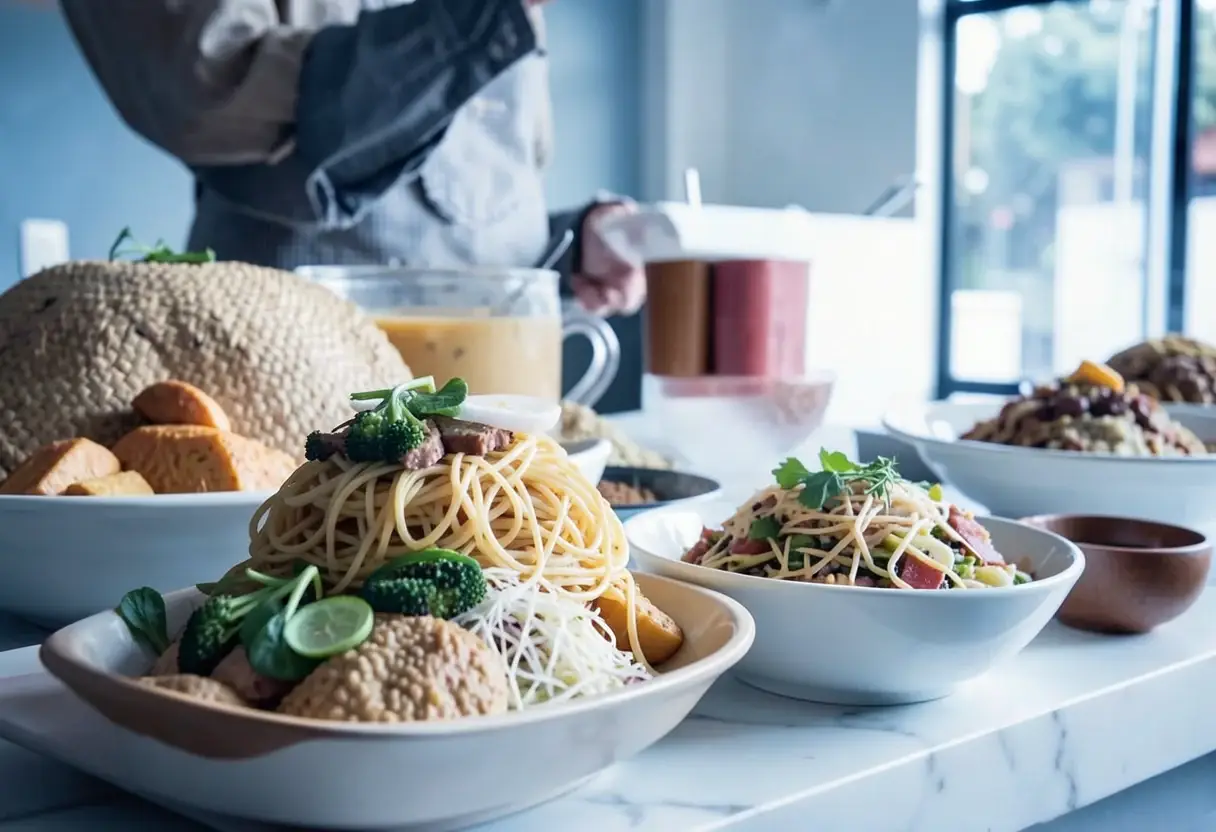
“Love, Witches, and Wahala” puts puff puff at the heart of care
Christine Cowan links puff puff to family care at Nigerian celebrations and makes an enchanted batch central to “Love, Witches, and Wahala,” her novel available from Orbit.
Programme
- Cowan says puff puff comes first at four types of Nigerian events: weddings, funerals, child-naming ceremonies and birthday parties.
- Cowan describes puff puff as flour, water, yeast and sugar, deep-fried in hot oil.
- Cowan’s family ate puff puff weekly while her mother stepped away from work to care for them.
- Nneka runs Ezenwanyi Pastries and accidentally enchants a batch of puff puff in “Love, Witches, and Wahala.”
- The book is available from Orbit, an imprint of Hachette Book Group.
By Elena Vasquez
One Nigerian snack anchors Christine Cowan’s “Love, Witches, and Wahala”: puff puff, served first at weddings, funerals, child-naming ceremonies and birthday parties.
Cowan explains the custom in her book. Orbit, an imprint of Hachette Book Group, makes the title available. She starts with a broad premise: cultures use different ways to say that they care, and Nigeria begins with another person’s well-being.
How does “you don chop?” measure care?
Cowan begins with How you dey?, then moves through questions about the family, work, parents and school. The response to each is usually fine. That answer does not settle the larger concern.
Cowan’s decisive question comes next: “you don chop?” She explains that it means have you eaten. Cowan says a claim of being fine will not satisfy the asker, who expects a yes or no, or a full account of what was eaten, where it was eaten and who cooked it.
She says no one is checking the stomach. The question tests whether the person is well taken care of. Cowan links this custom to a wider principle: “Feed the body first, sort every wahala later.” Her stated belief is that nobody can face problems on an empty stomach.
Food, in Cowan’s account, makes care practical rather than sentimental.
Why does puff puff arrive first?
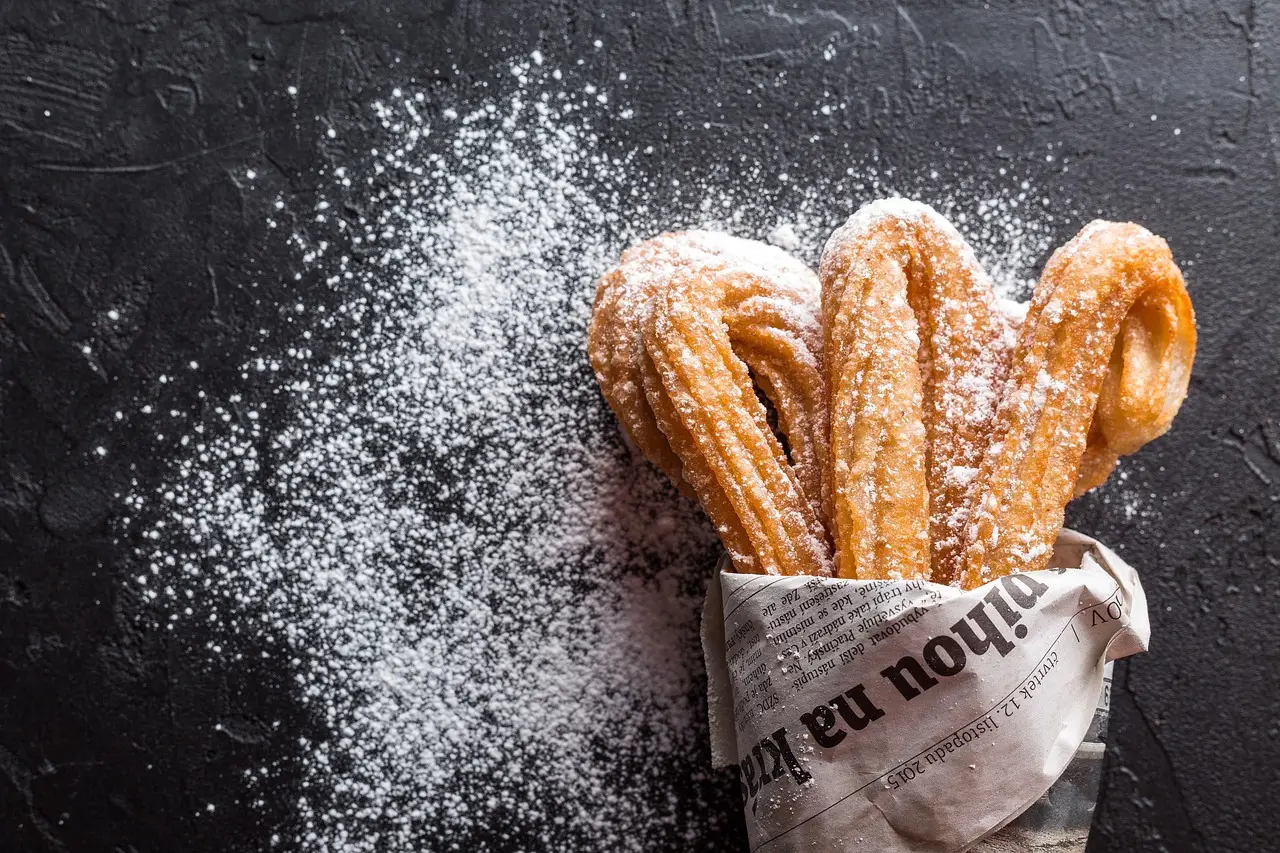
At Nigerian events, Cowan places puff puff before jollof rice, soup and eba, or pepper soup. She describes soft dough made with flour, water, yeast, sugar and other additions, then deep-fried in hot oil. The exterior is soft; the center is fluffy and slightly chewy. Her practical instruction is to eat it while hot.
At celebrations, Cowan says guests take one or two pieces, not more, unless they want side-eyes. For Cowan, serving puff puff first also carries a host’s message: guests should eat before they enjoy the occasion, which she treats as an essential part of communal hospitality.
At family parties, the main action moves to the backyard. One person, usually Cowan’s aunt, stands over a huge pot of oil, frying batch after batch and handing the pieces out to share. Cowan took two whenever she entered, to serve more guests. Others ate the puff puff as quickly as it was made.
Puff puff makes the host’s welcome immediate and edible.
What did food mean at home?
Cowan calls puff puff her mother’s continuing language of love. During a period when her mother left work to care for the family, the snack became a weekly ritual. Everyone in the house wanted some. Some pieces were saved for breakfast. Others became a snack for the family coming home while dinner cooked.
The kitchen carried the smell of other dishes, including Okazi soup, Cowan’s favorite, seasoned with enough habanero pepper to make her sweat. Coconut rice and chicken stew were her mother’s favorites. The family helped in the kitchen. Cowan made the puff puff and licked the remaining batter from the bowl, saying she took both jobs seriously.
Looking back, Cowan says her mother was doing more than satisfying appetite: plentiful food was one practical way to keep the household close, gather its members and sustain their care for one another.
For Cowan, feeding the family was a way of keeping it together.
How does food shape Cowan’s novel?
When Cowan began writing “Love, Witches, and Wahala,” she expected food to enter the story. She wanted more than a love story alone. Her stated subjects were family, community and the people who show up for others.
The heroine, Nneka, runs Ezenwanyi Pastries, a pastry shop making puff puff alongside other Nigerian snacks. Dakoru, who becomes entangled in her life, is drawn to the shop partly by its puff puff. Nneka feeds her neighbors because, in Cowan’s telling, food helps hold a community together.
By placing an accidental spell inside a batch of everyday food, Cowan tests the same proposition her family scenes establish: feeding people builds solidarity, but care can also expose vulnerability and unleash trouble.
Nneka accidentally enchants a batch of puff puff with a spell, setting off what Cowan calls absolute wahala. Cowan jokes that her mother’s puff puff never did that, although her mother sometimes seemed to know exactly what the children had been doing.
Cowan says magic supplies the fun, while food does the emotional work of feeding people and keeping relationships close. The essay closes by turning the question toward its readers. Cowan repeats the eating question for anyone facing a present or coming problem, then invites that reader to pull up a chair for puff puff.
The result makes puff puff more than a comic snack: it is the clearest sign of care, and the spell that tests whether that care can survive wahala.
Original: bookshop.org
More from Elena Vasquez
Show full bio
Senior reporter covering technology and product news in arts in the broadest sense at Arts & Voices.
1,571 articles