Mayan Ceremony Honors Nobel Laureate Miguel Ángel Asturias as Ashes Return to Guatemala
Rigoberta Menchú led a Mayan ceremony in Guatemala City as the ashes of Nobel laureate Miguel Ángel Asturias returned from France, 50 years after his death in exile.
Programme
- Asturias' ashes arrived in Guatemala on Thursday from France, where he was buried after dying in exile in 1974.
- A Mayan ceremony at the Kaminal Juyú site honored the author on Saturday, led by guide Tat Juan José Chirizcuat.
- The ashes rest in a 32-kilogram (70-pound) green jade urn.
- Asturias won the Nobel Prize in Literature and died of cancer in Madrid seven years later.
- The ashes lie in state at the National Palace of Culture and will be interred Sunday at the Miguel Ángel Asturias Cultural Center.
By Marcus Bennett
Nobel Peace Prize laureate Rigoberta Menchú Tum placed her hands on a 32-kilogram (70-pound) green jade urn on Saturday, prayed, spoke to it and kissed it. The urn holds the ashes of Guatemala's Nobel Prize-winning author Miguel Ángel Asturias, which returned to his homeland this week after decades abroad.
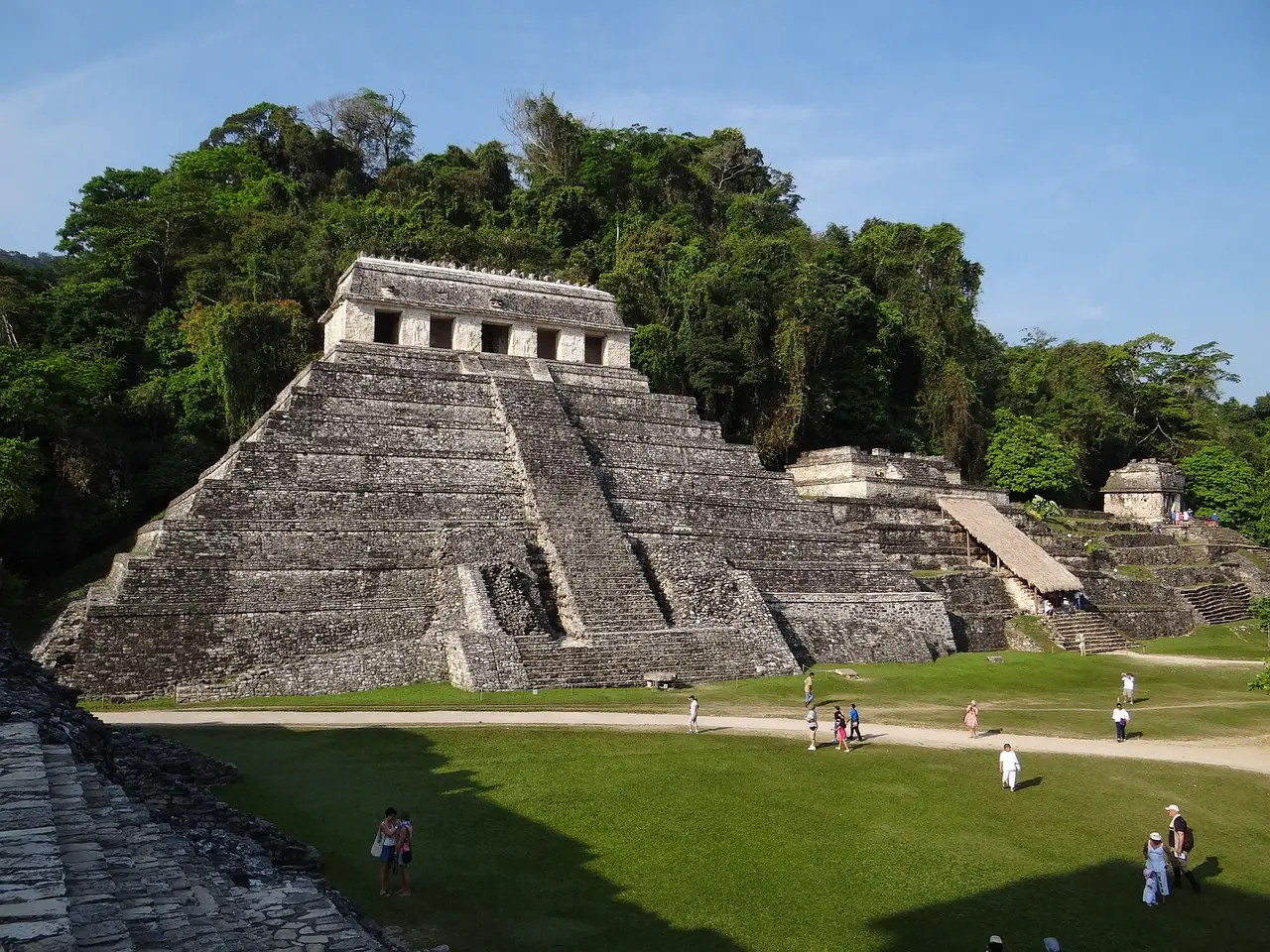
The Mayan ceremony took place at the Kaminal Juyú archaeological site in Guatemala City. Family members and special guests attended, with Menchú the most prominent among them. The altar carried white, purple, red and yellow flowers, representing the four cardinal directions, alongside candles, incense and cinnamon.
"Today, we are here, honored by the eternal presence of Don Miguel Ángel Asturias, not only in Guatemala, but throughout the world," Menchú said. She urged the Guatemalan people to keep the writer's memory alive by reading his works.
Why did the ashes come home now?
The remains arrived in Guatemala on Thursday from France, where Asturias had been buried after his death in exile in 1974. He died of cancer in Madrid, seven years after receiving the Nobel Prize in Literature.
His final return closes a exile that began with politics. After a 1954 coup led by Gen. Carlos Castillo Armas, Asturias lost his passport and his Guatemalan citizenship. The regime labeled him a communist. He visited Guatemala only once more, in 1966, when the country was already gripped by violence and repression amid war between the army and guerrilla forces.
What does his legacy mean for literature?
Critics regard Asturias as a precursor to Magical Realism and a key figure in the boom of Latin American literature during the 1960s and 1970s. He took part in social protests and supported recognition of the rights of Indigenous peoples.
His record carries complications. He also faced accusations of racism over the contents of his college thesis.
Ancestral knowledge guide Tat Juan José Chirizcuat, who led Saturday's ritual, said the ceremony offered an opportunity to seek forgiveness and foster reconciliation in light of the differing views people hold of the author. The writer's son echoed that call.
"My father has arrived in Guatemala; may his arrival serve to unite Guatemala," Miguel Ángel Asturias Amado said.
Where can the public pay tribute?
The ashes will lie in state at the National Palace of Culture through Saturday, allowing the public to pay tribute. On Sunday, they will be interred at a monument within the Miguel Ángel Asturias Cultural Center.
The burial will give Guatemala a permanent memorial to a writer whose nation expelled him, and whose books Menchú now asks a new generation to open.
Source: artsjournal.com
More from Marcus Bennett
Show full bio
Staff writer covering people, launches and day-to-day practice in arts in the broadest sense at Arts & Voices.
1,481 articles