Metropolis Ensemble Brings ‘Canto Ostinato’ Sections 1–84 to KEXP
Metropolis Ensemble, Erik Hall and Sandbox Percussion perform sections 1–84 of Simeon ten Holt’s “Canto Ostinato” in a KEXP session recorded April 10, 2026.
Programme
- The Live on KEXP performance was recorded April 10, 2026.
- The session covered sections one through 84 of Simeon ten Holt’s “Canto Ostinato.”
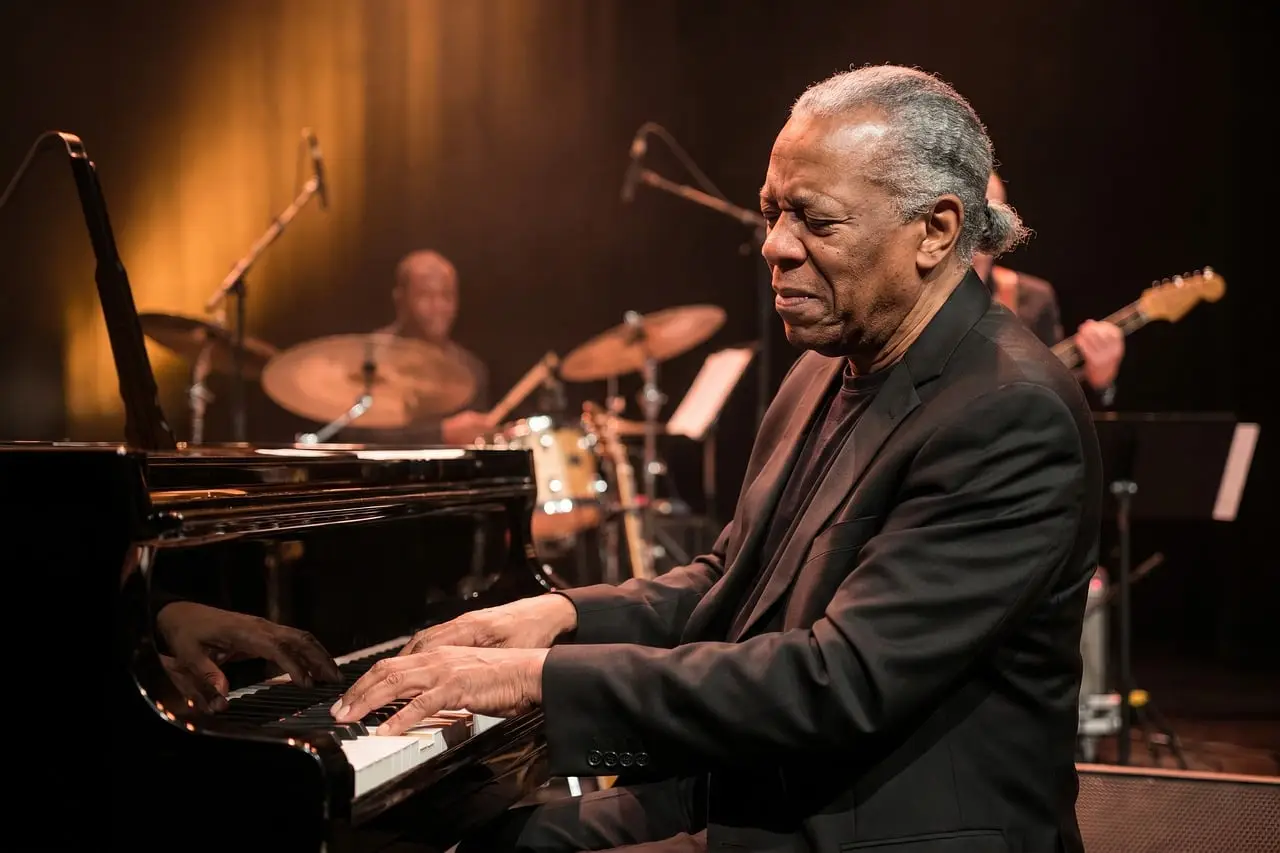
- Erik Hall played piano; Ian Rosenbaum and Terry Sweeney played marimbas.
- Jonny Allen and Victor Caccese played vibraphones; Kristin Lee played violin; David Leon played woodwinds.
- Alex Ruder hosted the performance.
By Grace Kim
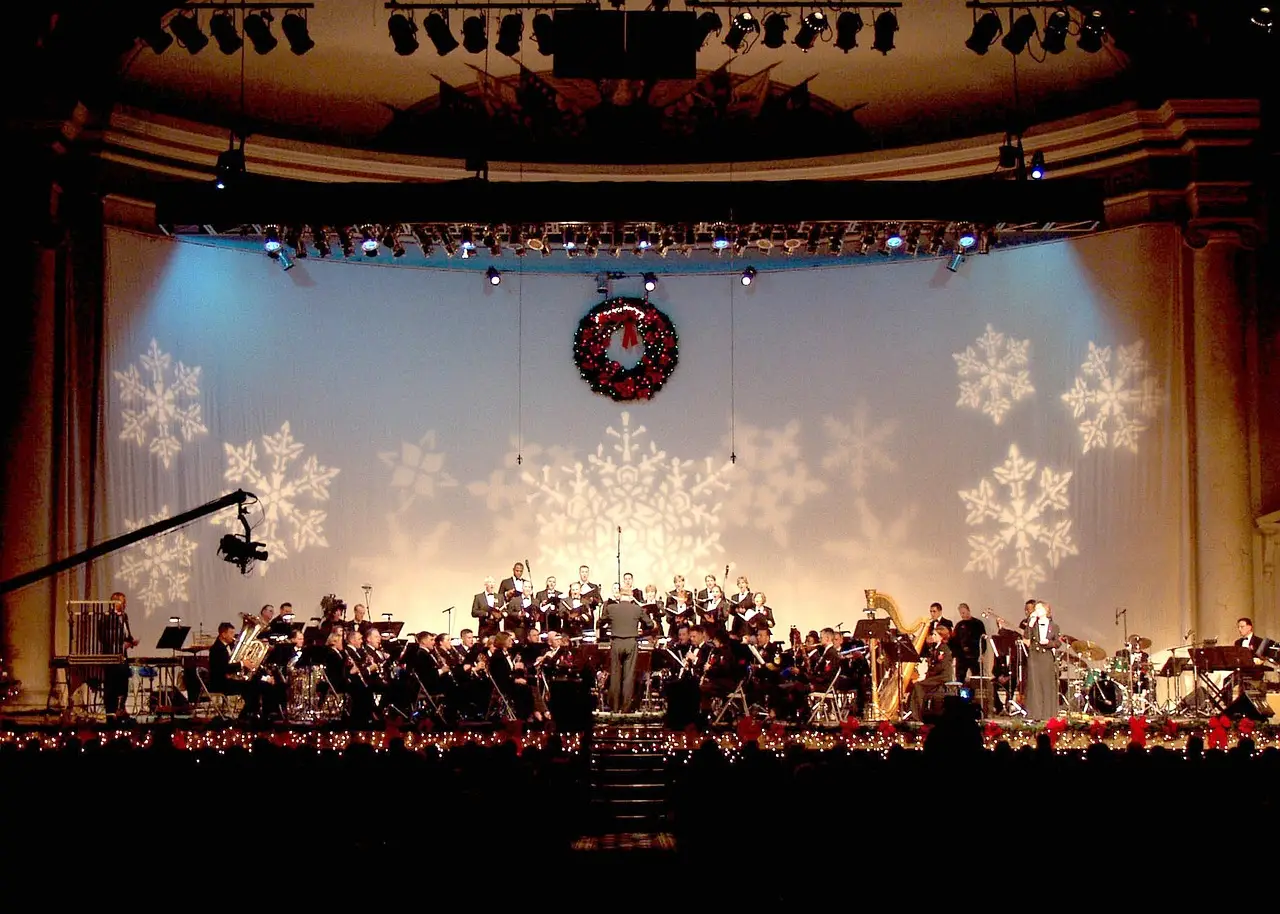
A Live on KEXP performance recorded April 10, 2026, brought Metropolis Ensemble, Erik Hall and Sandbox Percussion together for sections one through 84 of Dutch composer Simeon ten Holt’s “Canto Ostinato.”
The recording treats repetition as an extended process. Patterns recur, while subtle variations gradually reshape the atmosphere around them. KEXP’s description calls the result a “hypnotic musical conversation,” placing the ensemble’s interplay at the center.
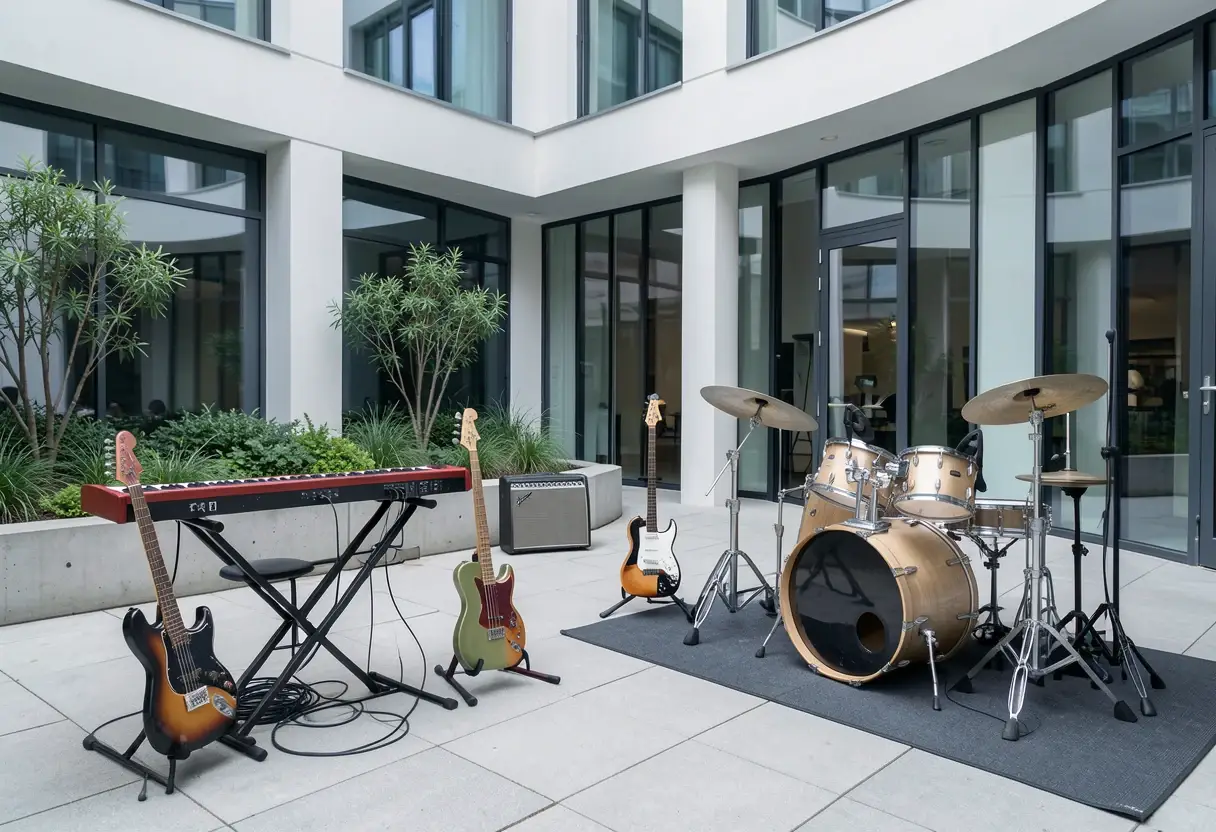
That emphasis has a concrete musical basis. Hall’s piano intertwines with pitched percussion, violin and woodwinds. The lineup is:
- Erik Hall — piano
- Ian Rosenbaum and Terry Sweeney — marimbas
- Jonny Allen and Victor Caccese — vibraphones
- Kristin Lee — violin
- David Leon — woodwinds
The roster gives recurring material several timbres (the characteristic sound colors of different instruments). Hall’s line stays interwoven with Rosenbaum and Sweeney’s marimbas, Allen and Caccese’s vibraphones, Lee’s violin and Leon’s woodwinds. KEXP emphasizes the mechanism: a stable pattern supports a changing balance of sounds.
The lineup also broadens the pattern beyond one keyboard texture. Two marimbas, two vibraphones, a violin and woodwinds meet the piano within the same recurring material. Their parts remain intertwined, making the session’s development dependent on collective sound.
Repetition as a mechanism
The session places minimalism (music in which repetition and gradual alteration carry much of the expressive weight) at the center. Minimalism here is not an absence of activity. KEXP locates the session’s fascination in repetition’s capacity to make tiny differences increasingly audible.
An ostinato, or recurring musical phrase, gives the ensemble a shared point of reference. The pattern remains recognizable as small changes alter the atmosphere, so repetition supplies continuity while variation supplies direction.
Across sections one through 84, the numbered span gives that process room to unfold. Repeated material returns within a changing instrumental context, allowing small alterations to accumulate. The result is motion produced without abandoning the underlying pattern, not stillness disguised as repetition.
The recording presents the numbered span as one sustained exploration rather than a checklist of separate textures. The same patterns gather new meaning as the players subtly alter them. That makes the length of the session part of the argument, not incidental running time.
Alex Ruder hosts the performance. KEXP frames the gathering as a celebration of “the extraordinary beauty of repetition and ensemble collaboration.” The description fits the lineup: the players retain distinct instrumental roles while working on the same recurring material.
What does hearing sections 1–84 change for listeners?
It makes repetition a comparative experience rather than a fixed backdrop. A returning idea remains recognizable, but the changing sounds around it affect how the passage feels.
The practical value is sustained attention. The recording allows ten Holt’s subtle alterations to register gradually, rather than presenting repetition as a brief formal device. Metropolis Ensemble, Erik Hall and Sandbox Percussion become equal agents in a demonstration of how the same material can produce different atmospheres.
Ultimately, the recording leaves a clear proposition: repetition need not freeze music. Here, it gives piano, percussion, violin and woodwinds enough continuity to change the atmosphere without losing the thread.
Source: thatericalper.com
More from Grace Kim
Show full bio
Correspondent covering technology and product news in arts in the broadest sense at Arts & Voices.
1,754 articles