Miami Artists on GTA VI: 'Maybe This Is the Kind of Art the City Deserves'
GTA VI's 4,500-person, 13-year build preserved a demolished Edgewater condo and thinned real Miami traffic on launch day, artists misael soto and Leo Castañeda told Hyperallergic.
Programme
- Grand Theft Auto VI released November 19 after a 13-year development by roughly 4,500 people.
- Lucía's in-game home is based on a 13-unit Edgewater condo demolished in 2022 for a 55-story tower.
- Artists for Artists: Miami, co-led by misael soto, is boycotting Art Basel next month.
- Rockstar workers rallied in Glasgow on October 15; programmer Nestor Uriarte demanded union recognition in the Guardian on November 18.
- The game features its first non-binary character, Cygnus, played by Jesse James Rose.
Grand Theft Auto VI arrived on November 19, and within hours Miami artist misael soto texted a reporter a street-level review: "Driving at rush hour. SIGNIFICANTLY less cars on the road." The most expensive video game ever built — developed by roughly 4,500 people over 13 years — had kept enough players home to visibly thin the traffic of the very city it simulates.
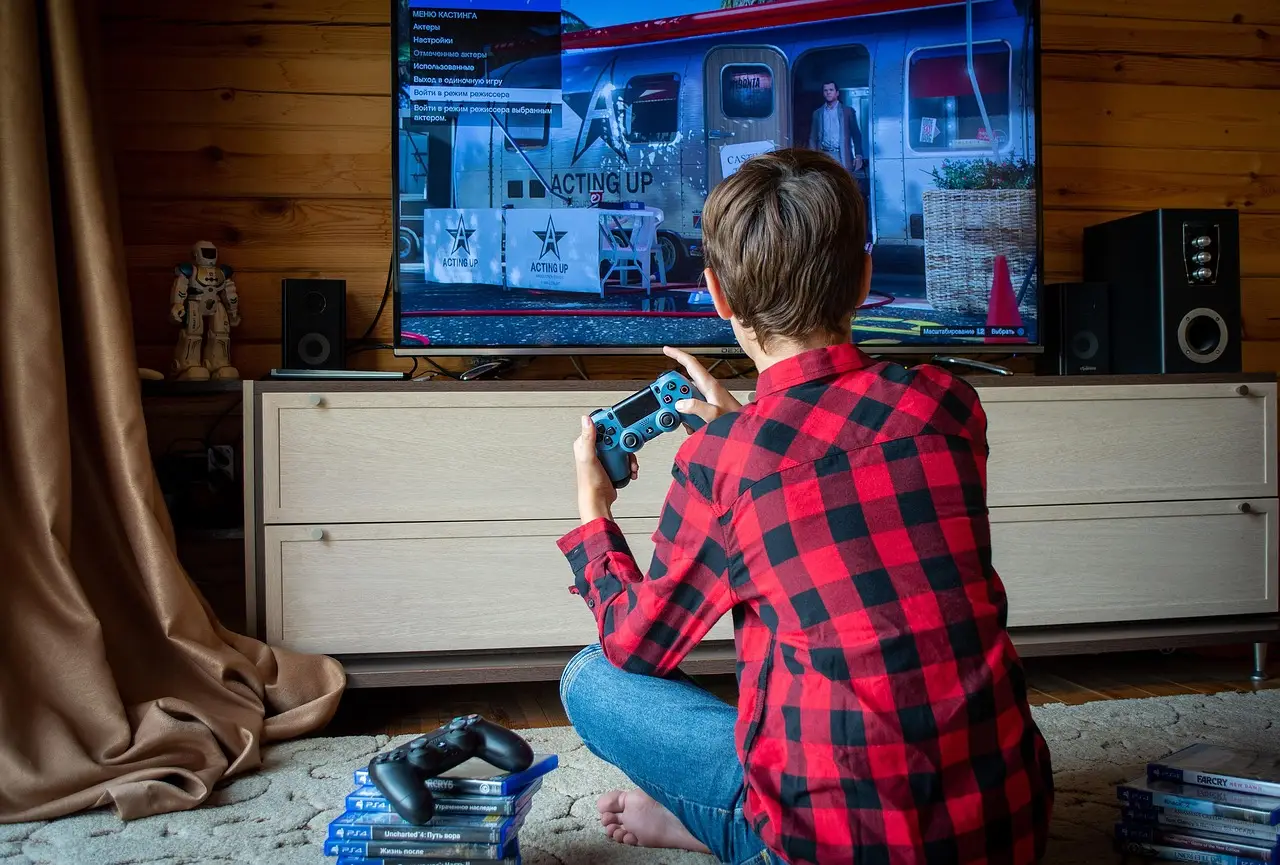
That paradox anchors a conversation between soto and fellow Miami-based artist Leo Castañeda, published by Hyperallergic under the headline "Is GTA VI the Art Miami Deserves?" The game follows Lucía Caminos and Jason Duval through the criminal underworld of Leonida, a fictional South Florida: Miami becomes Vice City, the Everglades become the Grassrivers.
What does the game preserve?
The interview's most concrete fact is architectural. Lucía's home is modeled on a salmon-pink, 13-unit condo in Edgewater, demolished in 2022 to make way for a 55-story tower. The building survives only in the game.
Castañeda, an artist and video game designer who works in Latin American Surrealism, noted the game compresses multiple eras of Miami. "Does this feel like Miami in 2014 or Miami in 2026, or a hybrid?" he asked. He cited the in-game Cuban bakery Antoinette, modeled on Versailles, which posts a sign requiring politicians to pay for food — a reference to Donald Trump's reported 2023 visit, when he ordered food for everyone and left without paying.
The game also embeds local artists: murals by Ahol Sniffs Glue, Soak, Tatiana Suarez, Typoe and Haitian muralist Serge Toussaint appear in-game, alongside work by musician Nick León. A restaurant based on Juvia on Lincoln Road, priced out and closed, now exists as a digital record.
Who is the game for — and who made it?
Soto, who co-leads Artists for Artists: Miami — the group organizing a boycott of Art Basel next month — questioned the online narrative that the game is "Woke 3.0." A Haitian friend playing it asked, "Where are all the Haitians?" Soto recalled the roughly 20-year-old lawsuit by Haitian groups against Rockstar over its earlier Vice City portrayal, and the company's more recent stated shift: "We now punch up as opposed to punching down." Soto's verdict was measured. "I don't want to be lobbing grenades at Rockstar. I think it's fantastic that these changes have been made," he said, while noting the game "is lagging in this area."
The interview also flagged labor conditions. Rockstar animation programmer Nestor Uriarte wrote in the Guardian on November 18, asking why a game generating billions of dollars still requires workers to fight for union recognition. Workers at Rockstar held a rally in Glasgow on October 15.
The game includes its first non-binary character, Cygnus, curator of the Vice City Museum of Art, played by Jesse James Rose; Polygon reported the game prevents players from harming the character as a measure against anti-trans violence.
Can a blockbuster build empathy?
Castañeda, three hours into the game, had fired no shots. He described the relationship between Jason and Lucía as a core mechanic, "almost in a Sims-like way," with reward structures for nonviolent interactions — a departure from earlier Rockstar titles where story missions punished pacifism. He compared the game's satirical mirror to South Park and Euphoria, while praising the opening: Lucía's backstory, in which poverty drives her to rob a payday loan store, leaving her baby Tomás in foster care.
Soto located the debate within his art-history teaching on simulacrum and asked whether the game pacifies artists' roles or "is becoming a meta-modernist critique that has some gems in there, if you're willing to find them." His conclusion was blunt: "It's not the art that I want for Miami. But in so many ways, Miami is the perfect place."
The takeover has physical-world consequences. An unsponsored GTA VI-themed drag night at Las Rosas Miami on November 19 drew a full crowd, with Morphine Love Dion playing the game mid-performance. Castañeda reported local artists and musicians employed at release events — a contrast, soto said, with decades of F1 and Art Basel visitors who rent at inflated prices "and not giving back to the local community." Soto likened the campaign's thoughtfulness to Basel's early years of free public programming.
The interview closes on Miami's coming calendar: Art Basel and its boycott next month, then a G20 summit hosted by Trump. "It doesn't get any more Miami surreal than that," soto said. "Truly Vice City."
Source: hyperallergic.com
More from Elena Vasquez
Show full bio
Senior reporter covering technology and product news in arts in the broadest sense at Arts & Voices.
1,685 articles