AI Artist Nat Ia Builds Space Stations on a Civilizational Scale
Digital artist Nat Ia uses AI generation to create colossal orbital structures and futuristic worlds on a scale that makes Hollywood productions look modest — with animations to match.
Programme
- Artist Nat Ia creates AI-generated science fiction imagery of colossal orbital structures and spacecraft
- The artist works in both still images and AI-generated animations
- Design You Trust featured the work, noting it out-scales grand Hollywood productions
- The work is shared publicly on the artist's Instagram account
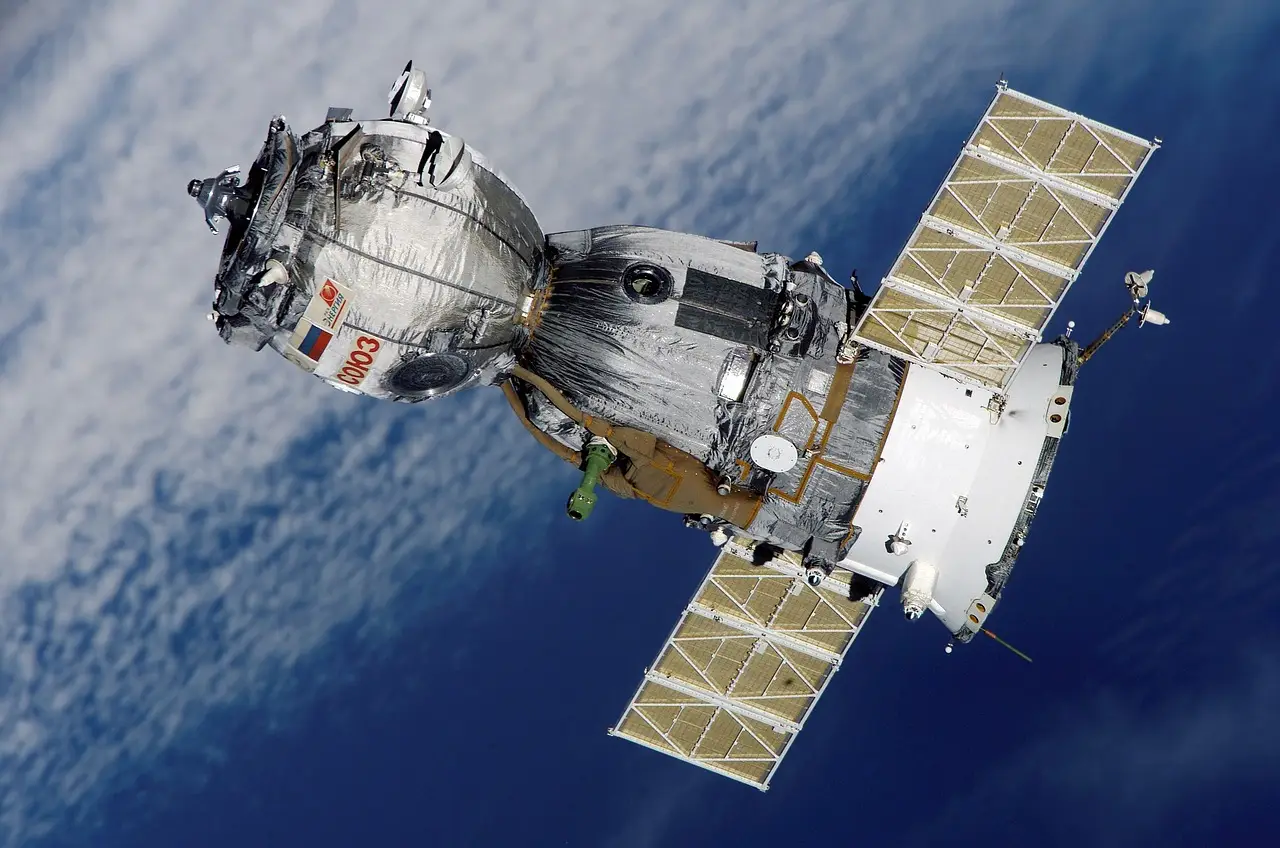
Digital artist Nat Ia uses AI image generation to build colossal orbital structures, impossible spacecraft and futuristic architecture on a scale that makes even the grandest Hollywood productions look modest, as highlighted in a recent Design You Trust feature.
The work asks a simple, destabilizing question: how big can a spaceship get before it stops looking like a vehicle and starts resembling an entire civilization? Nat Ia's answer, in image after image, is: big enough that humanity disappears into the frame.
What do these images actually show?
These aren't the sleek flying saucers of classic science fiction. They're enormous mechanical worlds, covered in intricate industrial detail and suspended above alien landscapes, distant planets and seemingly bottomless abysses.
The compositions share a few consistent traits, according to the feature:
- Vast cylindrical structures that stretch beyond the clouds
- Enormous space stations hovering over unfamiliar terrain
- Mysterious architectural formations suggesting technologies developed thousands of years beyond our own
The most remarkable aspect, the feature notes, is the convincing sense of scale. Cool metallic colors, atmospheric haze, dramatic lighting and carefully composed perspectives make the environments feel strangely believable despite their thoroughly impossible proportions. Many images read like concept art for an ambitious science fiction epic — glimpses of civilizations whose engineering achievements have become almost indistinguishable from natural wonders.
How does the artist add motion?
Nat Ia doesn't stop at stills. The artist also explores these imaginary environments through AI-generated animations, bringing movement and cinematic atmosphere to already monumental compositions.
The animations extend a recurring theme in the work: the relationship between technology and the unknown. Machines appear so enormous that their original purpose becomes difficult to comprehend. Structures seem to have existed for millennia. Spacecraft look large enough to comfortably accommodate entire populations.
What does this change for the viewer?
There's no hero here, and no dramatic battle. Rather than concentrating on individual protagonists, the artwork invites viewers to contemplate the architecture of a future so distant that humanity itself might have become something entirely unfamiliar. The scale isn't spectacle for its own sake — it's the subject.
That's the mechanism at work in these images: by removing people from the frame almost entirely, Nat Ia makes size itself the narrative. The viewer becomes the only human presence in the picture, and it feels small.
The full body of work is available on the artist's Instagram account, where the stills and animations are posted alongside each other — a running demonstration of where AI-generated science fiction imagery sits right now, between concept art and something closer to world-building.
Source: designyoutrust.com
More from Grace Kim
Show full bio
Correspondent covering technology and product news in arts in the broadest sense at Arts & Voices.
1,754 articles