No Photos Allowed: Deana Lawson Bans Cameras at Gagosian
Deana Lawson's Gagosian show bans visitor photography, issuing camera-covering stickers. Her 'Edge Control' series, begun in 2023, reframes beauty-supply surveillance photos.
Programme
- Deana Lawson's latest Gagosian show prohibits visitor photography, with attendants issuing camera-covering stickers.
- The series Edge Control began in 2023 and remains ongoing.
- Lawson discussed the work in a T Magazine interview published October 1, 2026.
- Edge Control addresses beauty-supply surveillance photos pinned behind counters to deter theft.
By Elena Vasquez
Deana Lawson issued one condition for her latest Gagosian show: no photography. Gallery attendants enforced the rule. They handed every visitor a Gagosian-branded sticker to cover their phone camera.
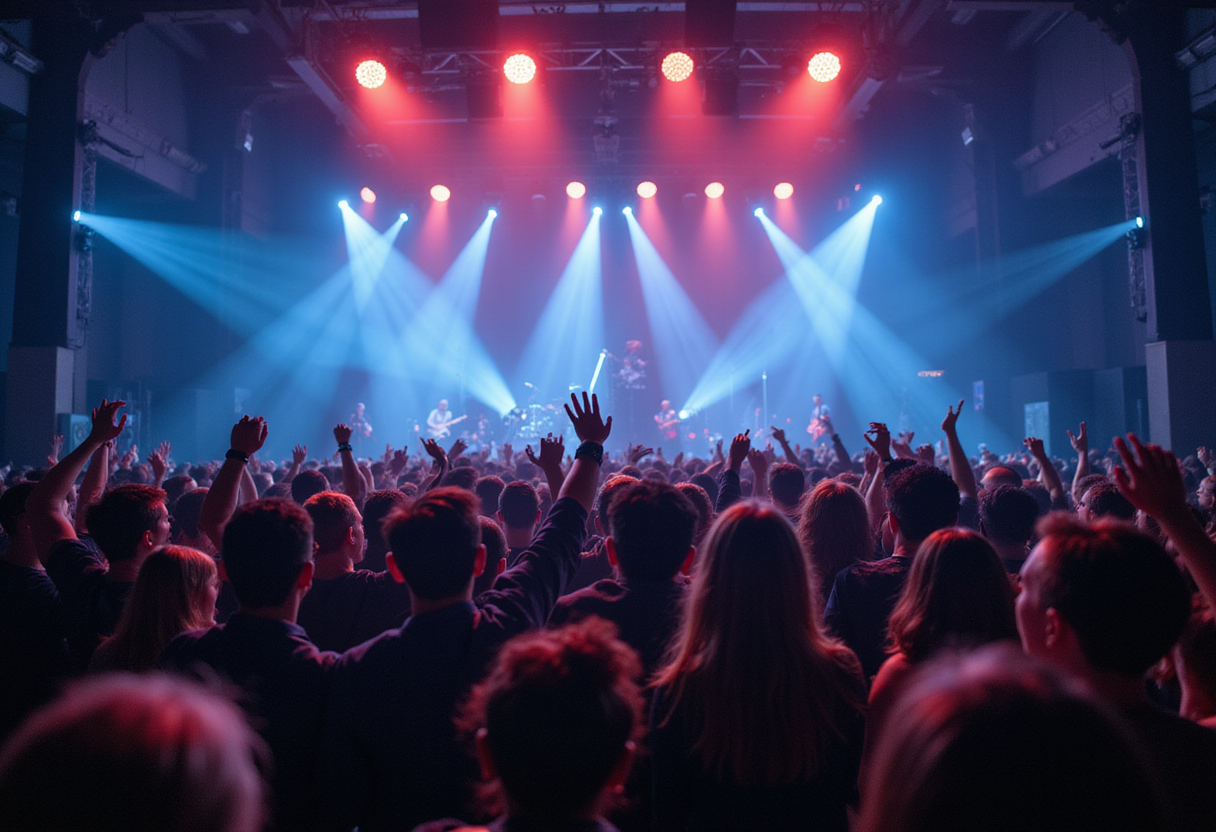
The ban produced visible results. Visitors entering the space showed, in the words of one observer, "micro-expressions of discomfort and surprise." The prohibition unsettles a habit that most museumgoers now treat as automatic.
Why does a photography ban matter?
Lawson's request targets a specific dependency. Nearly every visitor carries a phone — a device the writer covering the opening called "the vehicle of modern technological warfare" — and uses it as a second memory. Denied that crutch, viewers must rely on their own eyes and recall. The question becomes practical: can visitors still hold onto the faces and images they saw, without a camera to store them?
That unmooring, the reviewer concluded, is likely the point. The restriction forces the audience to experience images unmediated — precisely the condition Lawson's own work interrogates.
What is 'Edge Control'?
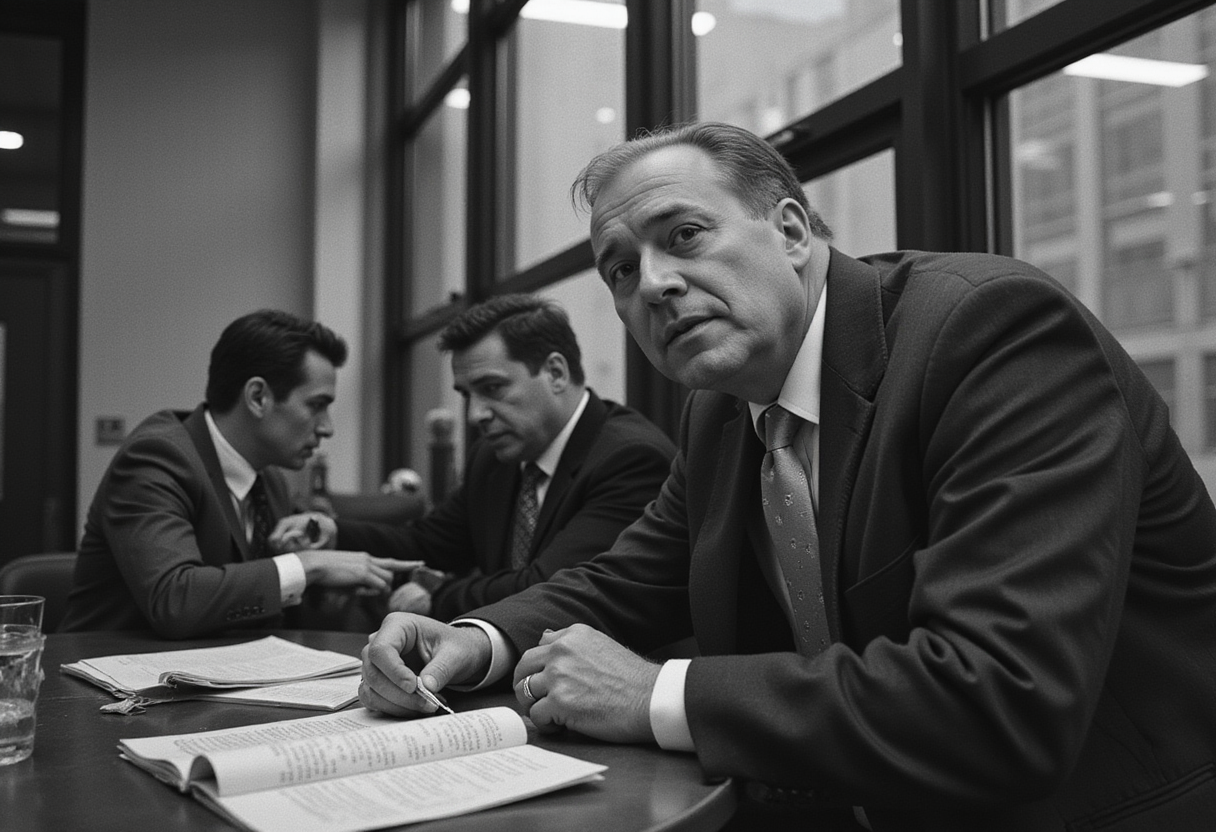
The new series, titled Edge Control, began in 2023 and remains ongoing. Lawson directs it at an everyday form of surveillance: the beauty-supply surveillance photo. These are the images typically pinned behind shop counters to deter theft — a practice the reviewer describes as "a long-held ritual of humiliation."
Lawson gave her own reading of the work in a recent interview with T Magazine, published October 1, 2026. She said:
"If anything, I feel more identity with the people on the wall — like I'm stealing a picture of them stealing."
The quote positions Lawson not as an outside observer but as a participant in the same economy of looking, capturing and exposure that governs the genre she photographs.
Who holds the power to look?
The camera ban and the series operate as mirrors of each other. Lawson photographs people who were photographed without consent, for punitive purposes; she then denies her own audience the right to photograph at will. The reviewer frames the resulting tension as a fraught ethical question: Who truly has the power to authorize or deny access to images?
Takeaway: a show about surveillance now controls the visitor's own camera, and the discomfort that produces appears to be part of the work.
Whether future venues adopt the same no-photography rule remains to be seen. What Edge Control establishes already is that Lawson can turn a gallery's entry policy into an integral part of the artwork itself.
Original: nytimes.com
More from Elena Vasquez
Show full bio
Senior reporter covering technology and product news in arts in the broadest sense at Arts & Voices.
533 articles