Netflix Reboots the Stanford Prison Experiment. Critics Call It a Stiff Sentence
Netflix's six-episode reboot of the notorious 1971 Stanford Prison Experiment draws a harsh verdict from NYT critic James Poniewozik: unenlightening reality TV dressed in sober purpose.
Programme
- Netflix released "The New Stanford Prison Experiment," a six-episode unscripted series.
- The original 1971 Stanford study, designed by Philip Zimbardo, ended after six days instead of two weeks.
- James Poniewozik, chief TV critic of The New York Times, pans the series as unenlightening reality TV.
- Producers Dan Cutforth and Jane Lipsitz previously made "Top Chef."
- Behavioral scientist Alison Wood Brooks discusses rerunning the "infamous" original in the show.
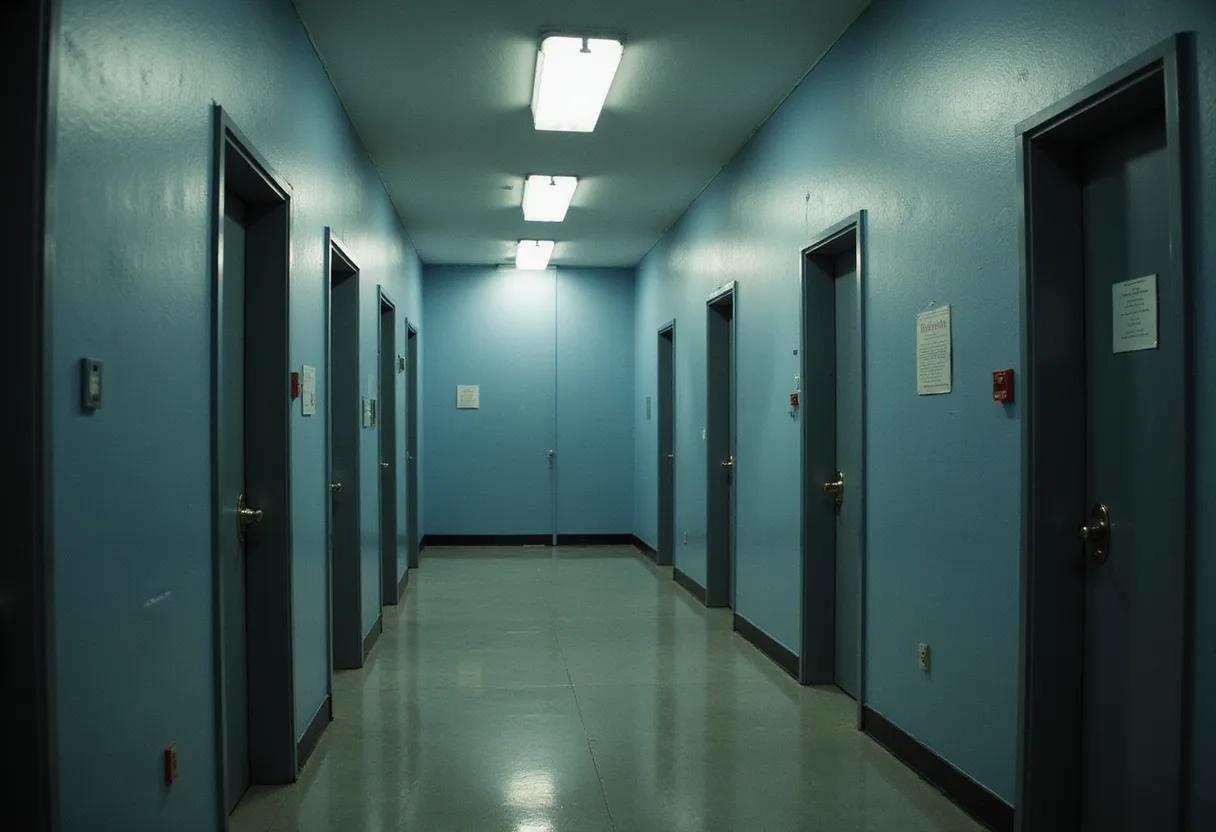
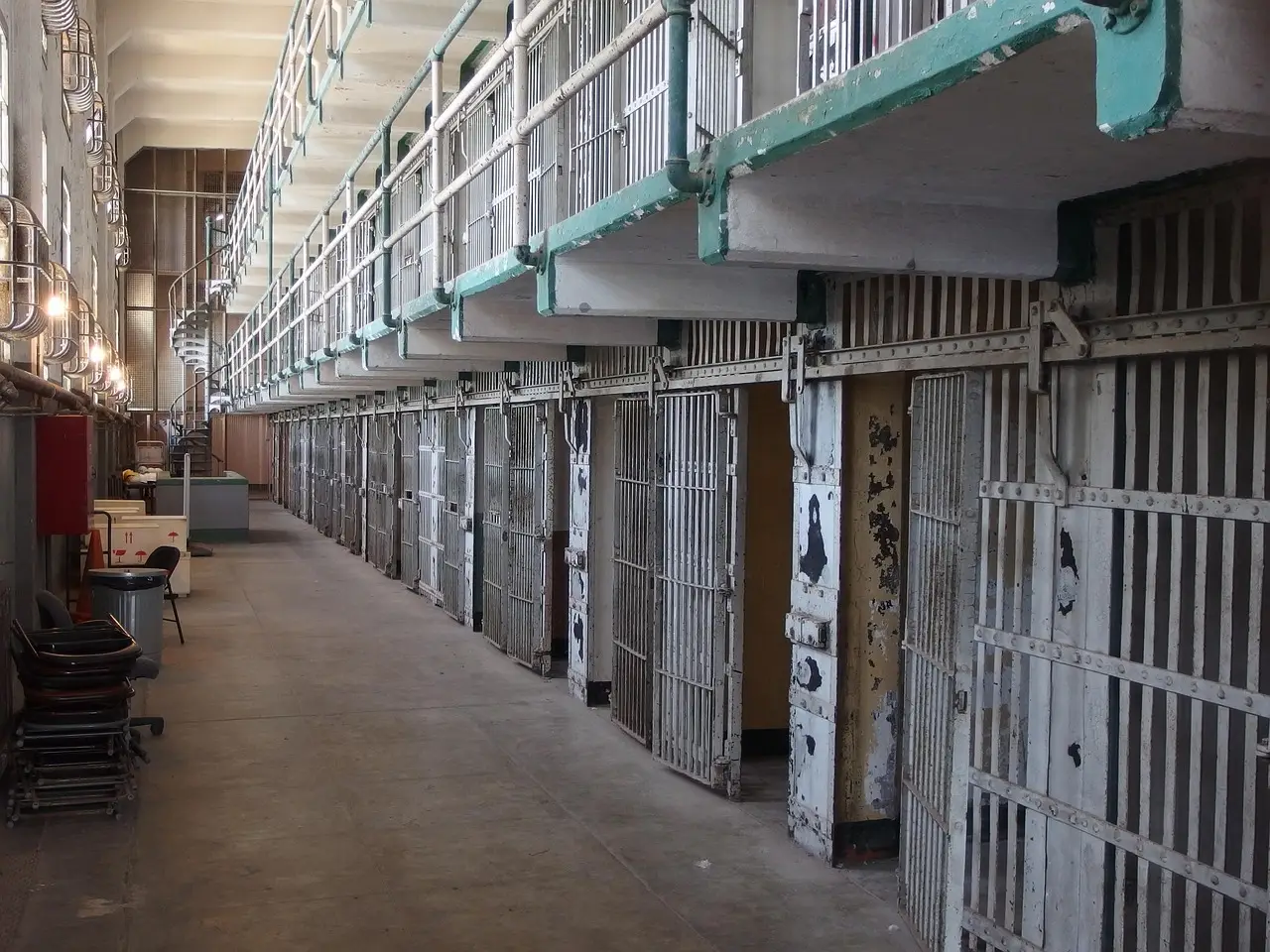
Netflix has turned one of psychology's most notorious debacles into a six-episode unscripted series, "The New Stanford Prison Experiment," and The New York Times' chief television critic calls the result unenlightening reality TV. James Poniewozik's review, headlined "Is a Stiff Sentence," delivers a blunt verdict on the streaming reboot of a study that collapsed in chaos more than five decades ago.
The original experiment ran in 1971. Stanford students were designated "inmates" and "guards" in a simulated incarceration planned to last two weeks. It ended after six days. According to Poniewozik, the scenario devolved into chaos and cruelty: guards tormented and humiliated prisoners, and inmates experienced breakdowns. The study's designer, Philip Zimbardo, presented it as an investigation of how power dynamics can make ordinary people perpetrate evil. Later criticism attacked the study as ethically and scientifically flawed, and Zimbardo was accused of pushing the guards toward aggression.
Why reboot a failure?
Poniewozik frames the series as part of a broader streaming trend. "It seems there is nothing these days that can't get revived or remade on streaming," he writes. "So it was only a matter of time before they started rebooting debacles."
His sharpest jab compares the premise to a hypothetical disaster reboot. "You would think, then, that a 'New Stanford Prison Experiment' would have all the appeal of 'The New Donder Party Expedition,'" he writes. "And you would not be wrong."
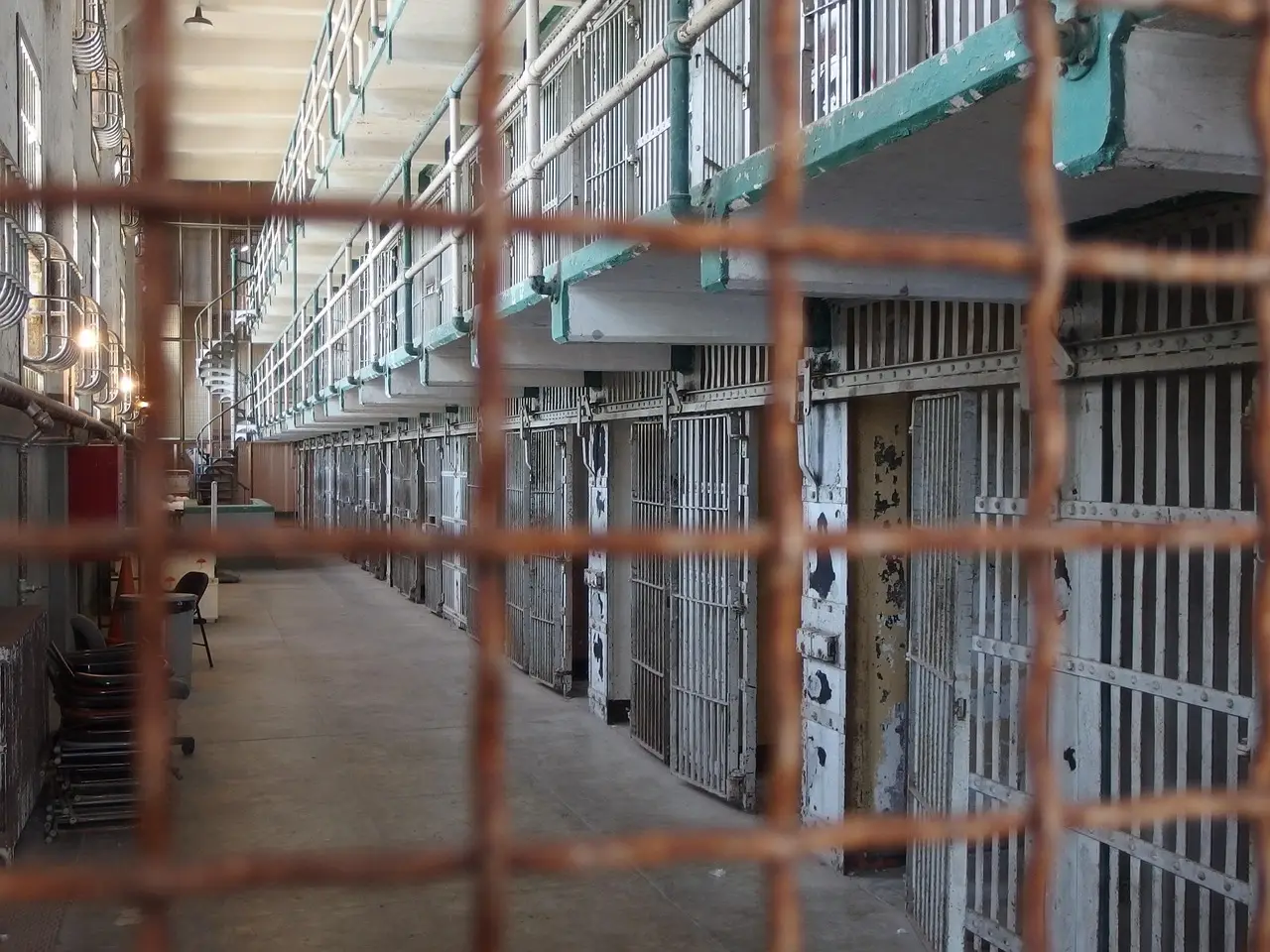
The critic situates the show in a lineage of extremis entertainment. The premise — people behave badly under pressure — shares DNA with "Survivor," which long styled itself a "social experiment," and scripted hits like "Squid Game." Prison itself, with its built-in tensions, has served as a setting for drama and for long-running reality series such as "Lockdown." As Poniewozik puts it: "So: lights, camera, incarceration."
Who made it, and how does it present itself?
The production credits are high-end reality pedigree. Producers Dan Cutforth and Jane Lipsitz, whose credits include "Top Chef," lead the series. The show presents itself with what Poniewozik describes as a sense of sober purpose and a tense, heartbeat-like soundtrack. Alison Wood Brooks, a behavioral scientist, appears in the series discussing the impulse to rerun, and perhaps improve on, what she calls the "infamous" original.
That framing — scientific redemption through repetition — is precisely what the review interrogates. The Times critic's takeaway is that the sober packaging does not distinguish the exercise from the reality-TV tradition it springs from.
The bottom line: Poniewozik's review positions the series as a remake that cannot escape either its discredited source material or the conventions of the genre exploiting it — a verdict that will shape expectations for viewers deciding whether six episodes of simulated incarceration deserve their queue.
Source: NYT Arts
More from Elena Vasquez
Show full bio
Senior reporter covering technology and product news in arts in the broadest sense at Arts & Voices.
801 articles