Newark Museum Returns 1852 David Drake Jug to Artist's Descendants
Newark Museum of Art gave an 1852 David Drake jug to the artist's descendants, then repurchased it for around $135,000 — initiating the transfer itself, a first among museums holding his work.
Programme
- Newark Museum of Art announced Thursday the ownership transfer of an 1852 David Drake jug to the artist's descendants
- The museum initiated the transfer itself, unlike prior cases at MFA Boston and the Virginia Museum of Fine Arts
- The repurchase cost around $135,000, per the Art Newspaper, well below Drake's auction record
- The jug is inscribed 'March 14, 1852' and signed 'Dave' with the initials LM for Lewis Miles, who enslaved Drake
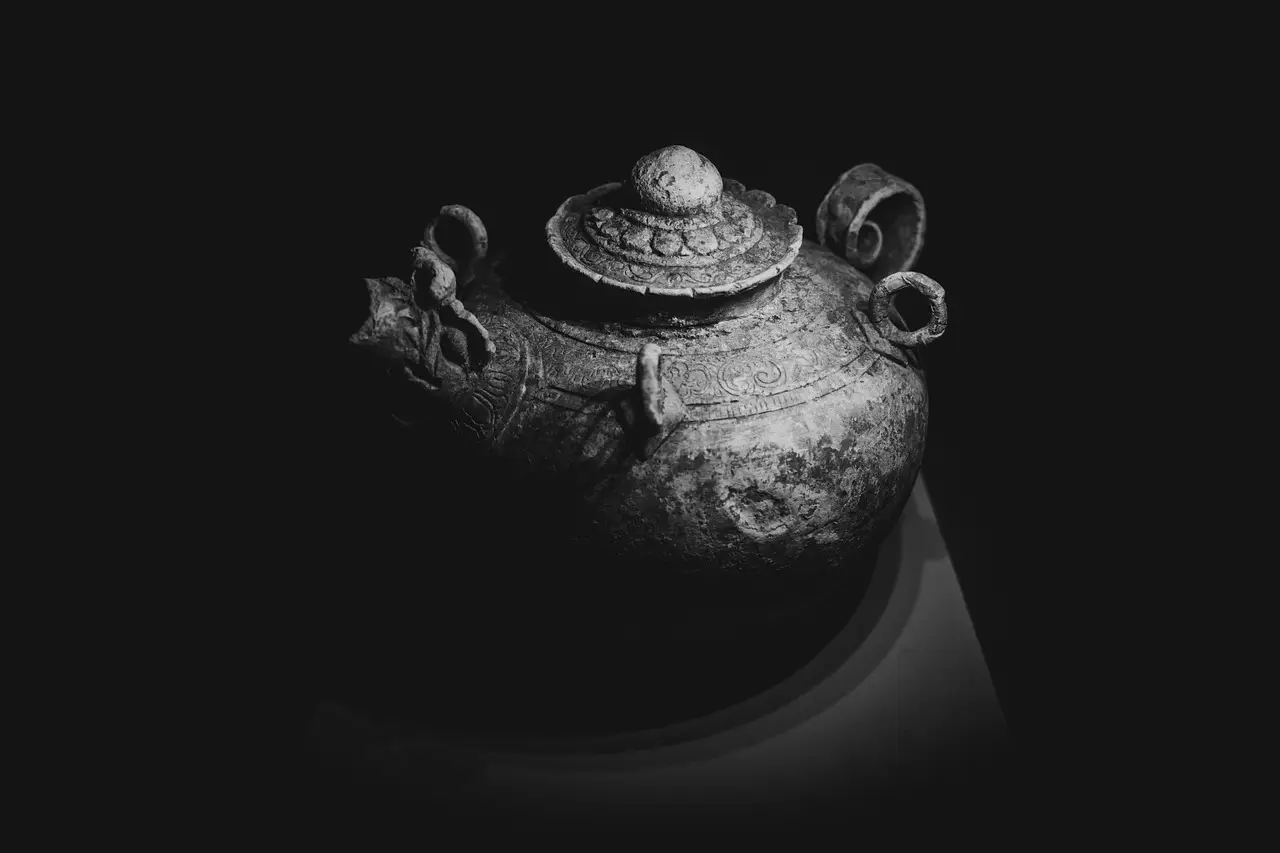
The Newark Museum of Art has transferred ownership of an 1852 David Drake jug to the enslaved artist's descendants, then repurchased the vessel for around $135,000, according to a report by Eileen Kinsella in the Art Newspaper. The museum announced the move on Thursday.
The Newark Museum of Art differs from its peers in one respect: it initiated the transfer itself. The Museum of Fine Arts Boston and the Virginia Museum of Fine Arts both previously transferred ownership of Drake vessels in their collections, but those restitutions came in response to descendant claims. Newark reached out to Drake's family over the summer.
Who was David Drake?
Drake is now widely recognized for the stoneware jugs he produced in Edgefield, South Carolina, during the 19th century. He was born into enslavement and achieved freedom sometime after the Civil War.
His vessels sometimes bore written messages whose meaning scholars still debate. The jugs appeared in a 2022 Metropolitan Museum of Art exhibition. Earlier this year, one Drake vessel topped ARTnews's list of the best artworks about America.
What does the Newark jug tell us?
The Newark vessel bears the inscription "March 14, 1852." Drake signed it under a version of his first name, Dave, alongside the initials LM — a reference to Lewis Miles, on whose plantation Drake was enslaved.
The jug sits in the museum's galleries of 18th- and 19th-century American art. It will remain on view while the ownership transfer proceeds, the museum said.
According to the museum's release, the transfer proceeded "with full support of the board of trustees." Ownership was given to the family and the jug was subsequently repurchased. The museum did not disclose the price; the Art Newspaper put the figure at "around $135,000" — considerably below Drake's auction record, implying the family accepted a discounted valuation to keep the work accessible.
What did the two sides say?
Lisa Funderbunke, the Newark Museum's director and CEO, said in a statement: "We are deeply grateful to David Drake's descendants for their trust and partnership. Restoring ownership of this work is an important act of justice, one that is rooted in accountability, repair and healing, and reflects the values guiding NMOA's next chapter. As the Museum enters a new era, we are honored to continue sharing Drake's legacy with the public in partnership with his family."
Yaba Barker, Drake's fourth great-grandson, said in a statement: "For over 175 years, our ancestor's vessels have carried stories and history that must be told. Thanks to this agreement, our family's mission for Dave's work to be accessible to the public, and for viewers to recognize us as Dave's heirs and owners of his legacy, is being fulfilled by Newark Museum's leadership, and we are so grateful."
The plain takeaway: Newark set a new precedent — a museum pursuing restitution before being asked. Whether other institutions holding Drake vessels follow Newark's proactive model will shape the next phase of restitution for works by enslaved artists.
Original: vmfa.museum
More from Elena Vasquez
Show full bio
Senior reporter covering technology and product news in arts in the broadest sense at Arts & Voices.
1,332 articles