Nomad Fair Returns to Abu Dhabi's 1982 Airport Terminal
Nomad's second Abu Dhabi edition fills Paul Andreu's 1982 Terminal 1 with 50 exhibitors, four terminal takeovers and a 450 sq. m jewellery show, after $20m in debut sales.
Programme
- Nomad Abu Dhabi runs 18–22 November in the decommissioned Terminal 1 of Zayed International Airport, designed by Paul Andreu and opened in 1982.
- The fair grows from 40 to 50 exhibitors, including Nilufar, Gallery Fumi, Galerie Gastou and A2Z taking over four private terminals.
- Galleries reported sales exceeding $20m at Nomad's inaugural Abu Dhabi edition.
- A2Z's jewellery exhibition spans 450 sq. m.
- The Institut du Monde Arabe and House of Artisans pair 2024 Design Prize winner Abdel El Tayeb with Emirati artisans.
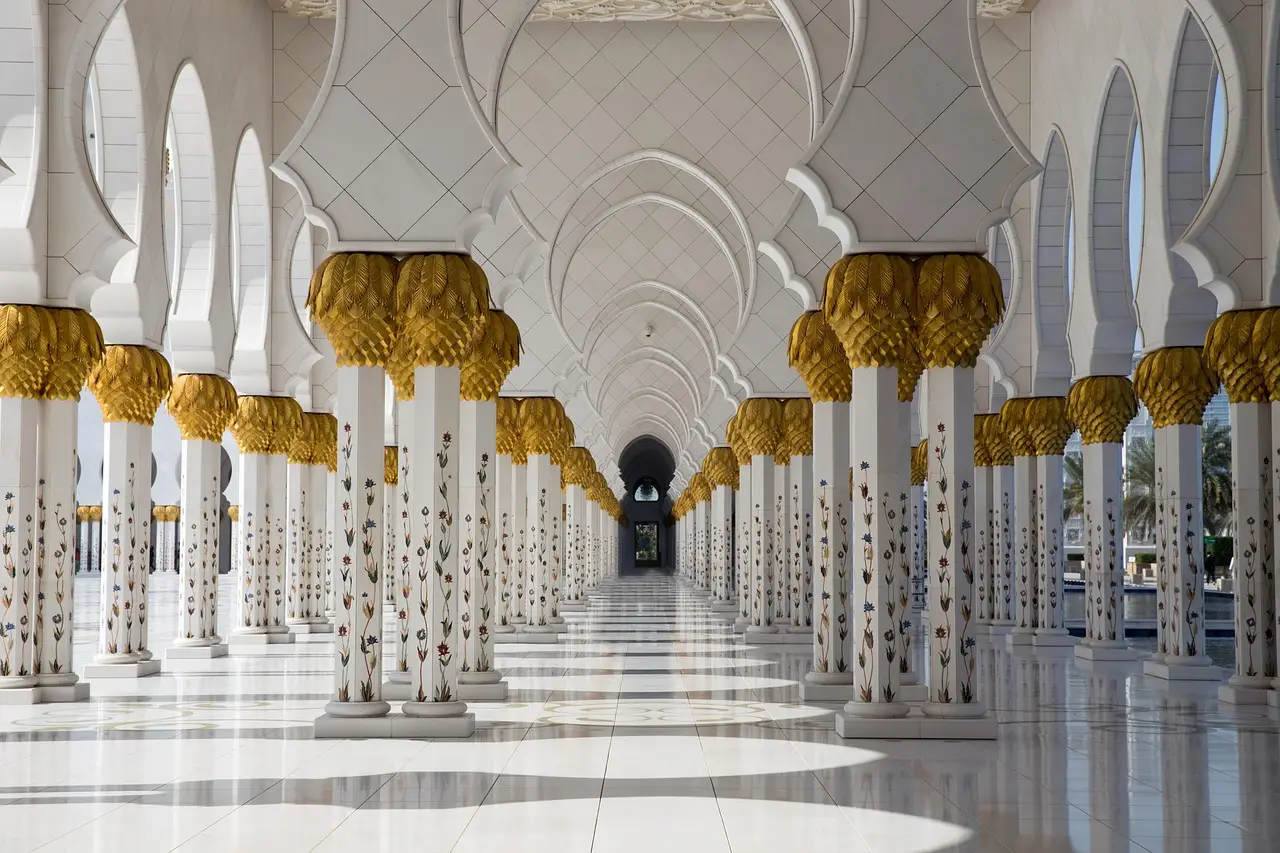
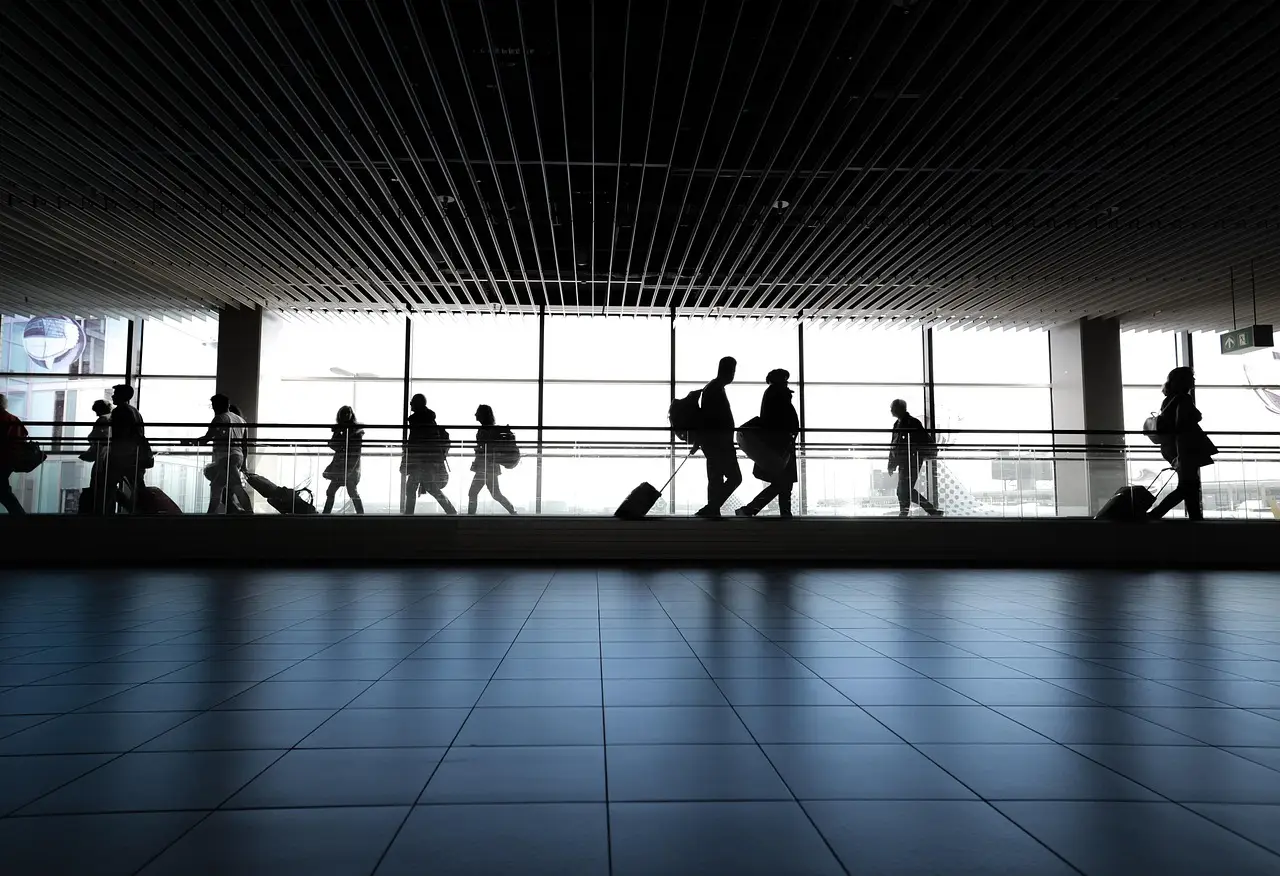
The itinerant art and design fair Nomad returns to Abu Dhabi from 18 to 22 November, staging its second edition inside the decommissioned Terminal 1 of Zayed International Airport. The building, designed by French architect Paul Andreu and opened in 1982, is now a designated heritage site. Nomad runs the edition in partnership with Abu Dhabi's Department of Culture and Tourism.
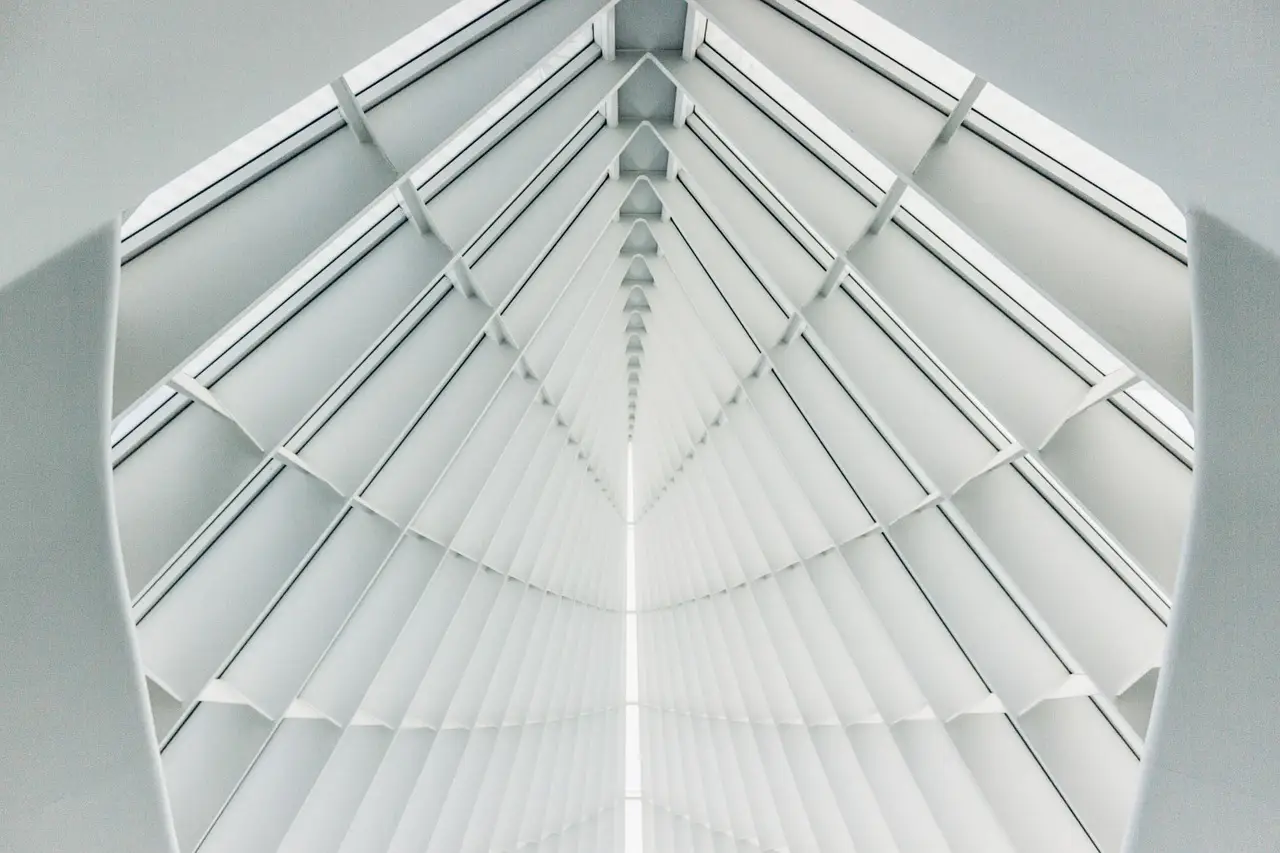
The venue is not incidental. The UAE's founding in 1971 triggered a construction boom that left the country with a trove of Modernist buildings, and Terminal 1 is one of the most distinctive. Fair founder and director Nicolas Bellavance-Lecompte says the architecture drives the exhibition design itself.
"Architecture has always been fundamental to Nomad," Bellavance-Lecompte says. "[Terminal 1] has a very particular architecture, but also a history as a place of movement and exchange. Rather than placing conventional booths inside it, we wanted to work with the building as we found it—its terminals, corridors, scale and different spatial conditions—and allow those qualities to become part of how the works are experienced."
How the fair uses an airport
Instead of standard fair booths, Nomad is organising site-specific takeovers of four of the airport's private terminals. Four names anchor them: Milan's Nilufar gallery, Gallery Fumi, Galerie Gastou and the jewellery advisory firm A2Z.
The exhibitor list has grown from 40 last year to 50 this time. Local returning participants include Leila Heller Gallery and the A/P Room. International galleries range from Paris-based Galerie BSL and Milan's Galleria Rossana Orlandi to London's Carpenters Workshop Gallery.
The programme highlights craft-heavy practices:
- Maison Intègre's bronze objects, cast from recycled metal using the ancient lost-wax technique at its foundry in Burkina Faso
- Seoul-based gallery Vein, pairing contemporary Korean practices with ottchil lacquer (a traditional Korean lacquer method) and mother-of-pearl inlay
- Polish design from Craftica Gallery
Why jewellery takes centre stage
Jewellery gets unusual weight this edition. A2Z's takeover alone covers 450 sq. m, and presentations come from designers Studio Renn, Mattar jewellers and the gallery and advisory Ars Belga/Matthu-Boghossian. The Belgian jewellers Levuma will collaborate with London gallery JCRD Design on a display combining fine jewellery, diamonds and Brazilian design.
What does the expanded institutional roster change?
For the first time, Nomad is broadening its institutional and non-profit presence in the old airport's departure hall. Irthi Contemporary Crafts Council—the Sharjah organisation working with female artisans from the UAE and the wider Middle East, North Africa, South and Southeast Asia—returns. Two newcomers join it: the recently established Design Commission Abu Dhabi, and a collaboration between the Institut du Monde Arabe (IMA) in Paris and House of Artisans, the Abu Dhabi cultural centre that preserves traditional Emirati crafts.
The IMA and House of Artisans project pairs French Sudanese fashion designer Abdel El Tayeb—winner of the Confirmed Talent category of IMA's 2024 Design Prize—with Emirati artisans on a site-specific installation.
"[This project] speaks to an idea at the heart of this edition: craft is a living practice, and something new can emerge when makers from different places work together," Bellavance-Lecompte says.
The practical effect is visibility. Institutions in the departure hall put non-commercial craft alongside gallery selling, which nudges the fair's centre of gravity from marketplace toward a hybrid exhibition—a model that fits the heritage terminal better than booth rows would.
Can Nomad repeat last year's $20m?
The commercial stakes are real. At Nomad's inaugural Abu Dhabi edition, galleries reported sales exceeding $20m, and Bellavance-Lecompte says many are "returning this year with more ambitious projects".
He also points to structural tailwinds: Abu Dhabi's expanding cultural calendar and the soon-to-open Guggenheim museum, which he expects will draw more international collectors, curators and attention to both the city and the fair. "Last year showed us that there is serious interest in collectable design, and this year we can build on those relationships," he says.
The bet, in short, is that a heritage Modernist terminal plus a maturing collector base equals a durable Gulf stop on Nomad's itinerant calendar—well before the Guggenheim opens its doors.
Nomad Abu Dhabi runs at Old Abu Dhabi Airport, 18–22 November.
Source: theartnewspaper.com
More from Grace Kim
Show full bio
Correspondent covering technology and product news in arts in the broadest sense at Arts & Voices.
1,537 articles