Nuisance Bear Turns a Polar Bear's Detour Into a Colonial Reckoning
Nuisance Bear, expanding Vanden and Weisman's 2021 short, premiered at Sundance 2026 and hits theaters November 6, tracing a polar bear through Churchill, Manitoba.
Programme
- Nuisance Bear premiered at the 2026 Sundance Film Festival and opens in theaters November 6.
- The feature expands Gabriela Osio Vanden and Jack Weisman's 2021 short of the same name.
- The film follows a polar bear through Churchill, Manitoba, and north to Arviat, Nunavut.
- Inuit narrator Mike Tunalaaq Gibbons provides the film's historical context.
- Churchill's program holds 'nuisance bears' (Avinnaarjuk) in a facility before transporting them north.
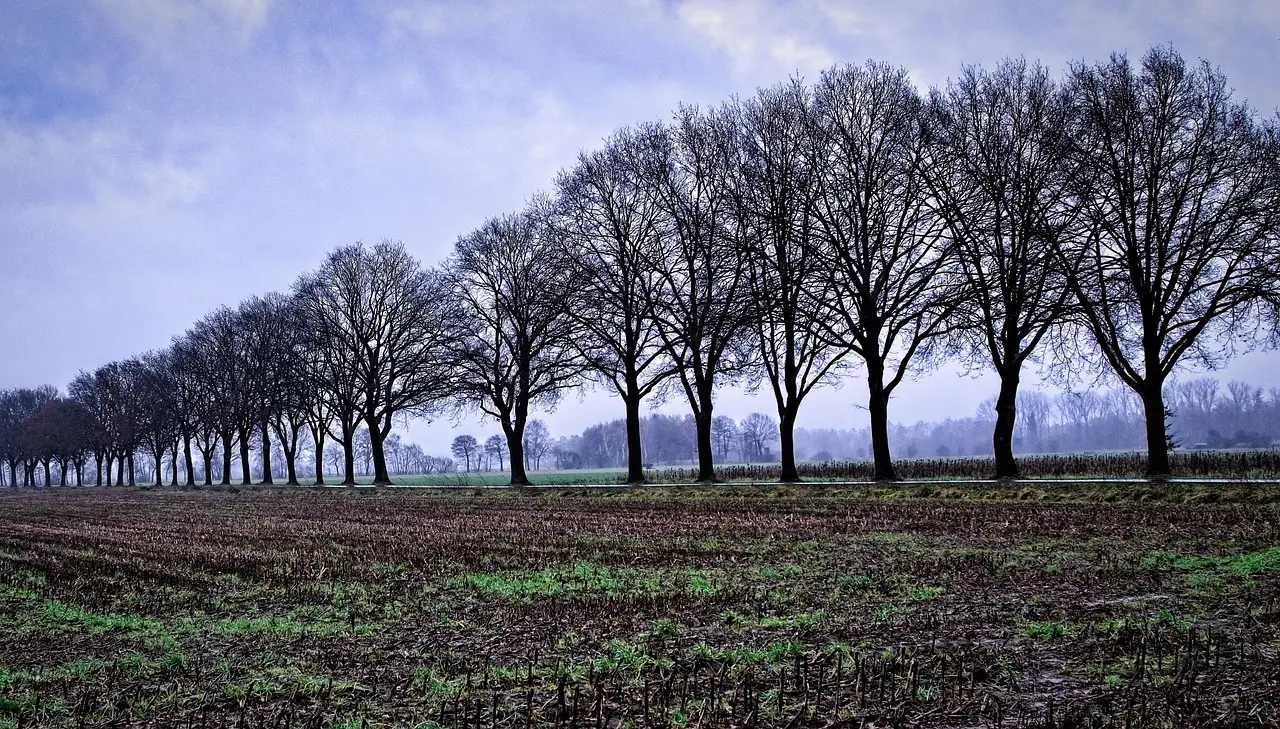
Gabriela Osio Vanden and Jack Weisman's Nuisance Bear premiered at the 2026 Sundance Film Festival and reaches theaters on November 6. The feature expands the directors' 2021 short of the same name, which followed a polar bear on its annual migration through Churchill, Manitoba — the self-declared "Polar Bear Capital of the World."
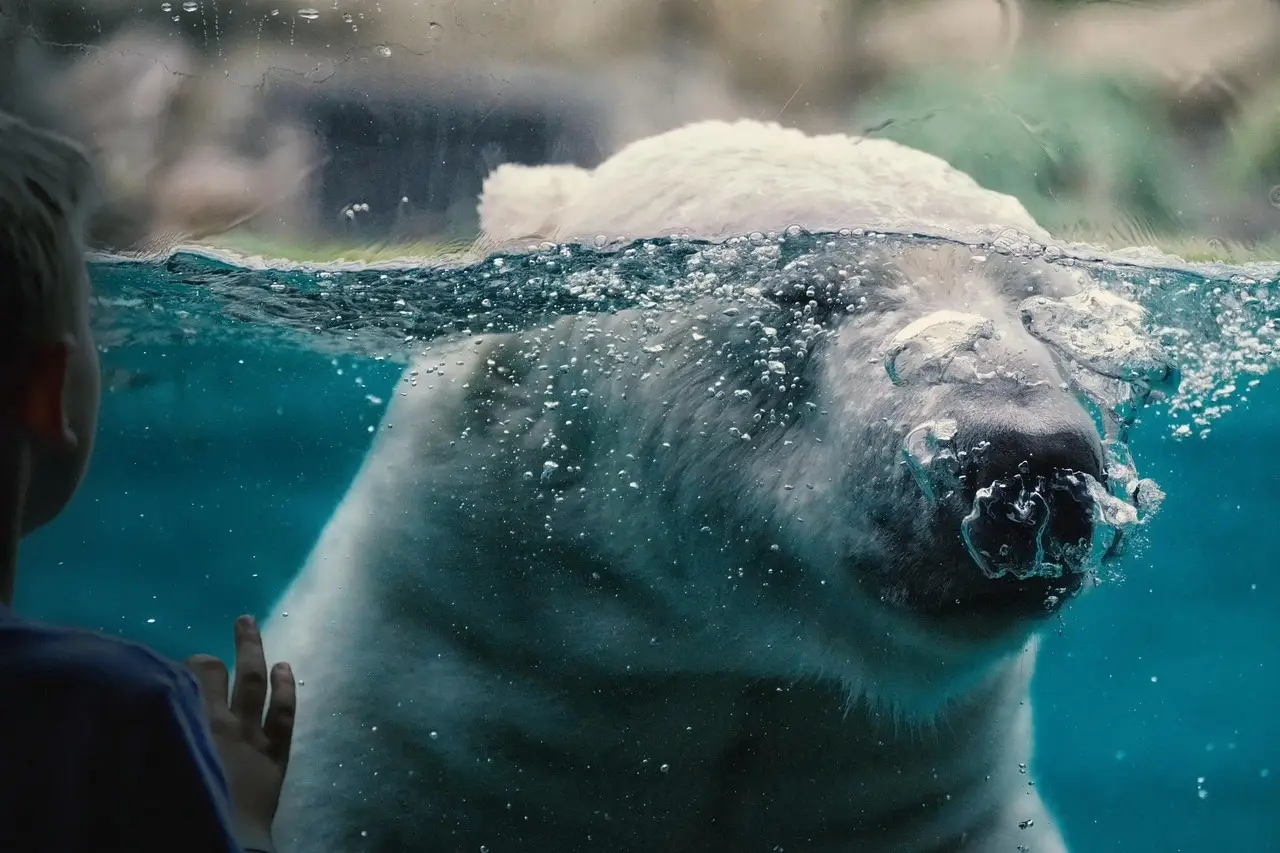
The film tells its story through visuals alone for long stretches, and the images carry real freight. A slow-motion tracking shot shows a bear crossing a road without ceremony while a dozen tourists scramble for the perfect picture. That single composition frames the film's central tension: profit versus protection, exploitation versus conservation.
What happens to the bear?
The journey splits into two parts. The first follows the bear's entry into Churchill and ends with its airlift out of town by helicopter. Wildlife officers patrol. Tourists hunt sightings. The bear hunts food, in one tense sequence trying to grab meat from a trap without triggering the metal gate waiting at the other end.
The second part moves north to Arviat, Nunavut, a largely Inuit community. There, Inuit narrator Mike Tunalaaq Gibbons recounts how white colonizers tried to stamp out the Inuit language and way of life, breaking family networks and generational ties. The film also shows town hall debates about bear activity, the logistics of protecting a town during Halloween, and preparations for the annual bear harvest.
Why does Churchill trap its famous bears?
Churchill's wildlife management program rounds up Avinnaarjuk — "nuisance bears" — and holds them in a facility until transport north. The review, published by The Film Stage as part of its Sundance coverage, notes that trucks and helicopters shooing bears out of town often resemble high-speed chases. The dominant tone, though, is socioecological reflection, not spectacle.
Gibbons draws the connections explicitly. The tourism trade's profitability depends largely on the bears' vulnerability. Conservation work, under a system built on profit and power, requires sending polar bears ever further north, where they trouble communities that previously coexisted with them peacefully. Conservation workers set terrifying traps, deploy deafening firecrackers as deterrents, and tranquilize stranded bears for nibbling garbage.
The review invokes social theorist Murray Bookchin's argument that attitudes toward the natural world extend the social relations between human beings — domination in, domination out. The adversarial Churchill program, from forced roundups to the so-called "polar bear jails," reads as a translation, in spirit and practice, of many countries' immigration policies. The Inuit anger now directed at the bears, after generations of relative peace, registers as capitalism's erasure of Indigenous knowledge and more egalitarian ways of life.
Gibbons closes the argument in the film's final stretch: "Everything is interconnected. There is no separation between ourselves and nature. This story of a bear is a story about us."
That verdict is hard to argue with, and the film doesn't beg for agreement. It simply points the camera. The November theatrical release will test whether general audiences are as patient as the bear.
Original: youtube.com
More from Daniel Okafor
Show full bio
News editor covering companies, deals and strategy in arts in the broadest sense at Arts & Voices.
961 articles