Roman Wall Paintings of Lions, Deer and a Satyr Unearthed in Mérida
Archaeologists in Mérida, Spain have found 2,000-year-old wall paintings of lions, deer and a satyr, plus a new mosaic, at the Huerta de Otero Roman site. Only 15% is excavated.
Programme
- Wall paintings from the mid-1st to mid-2nd centuries CE show lions, deer, birds and a satyr.
- Only 15 percent of the 1.2-acre Huerta de Otero site has been excavated since 1976.
- The new mosaic joins a large multicolor Medusa mosaic floor found in 2023.
- Romans founded the colonia Augusta Emerita around 25 BCE.
- 12 students trained for three months and worked the site for nine months via the Barraeca Professional School.
By Marcus Bennett
Archaeologists at Huerta de Otero in Mérida, Spain, have unearthed Roman wall paintings roughly 2,000 years old, depicting lions, deer, birds and a satyr. The murals date from the mid-1st to mid-2nd centuries CE. The team also uncovered a new, well-preserved mosaic floor.
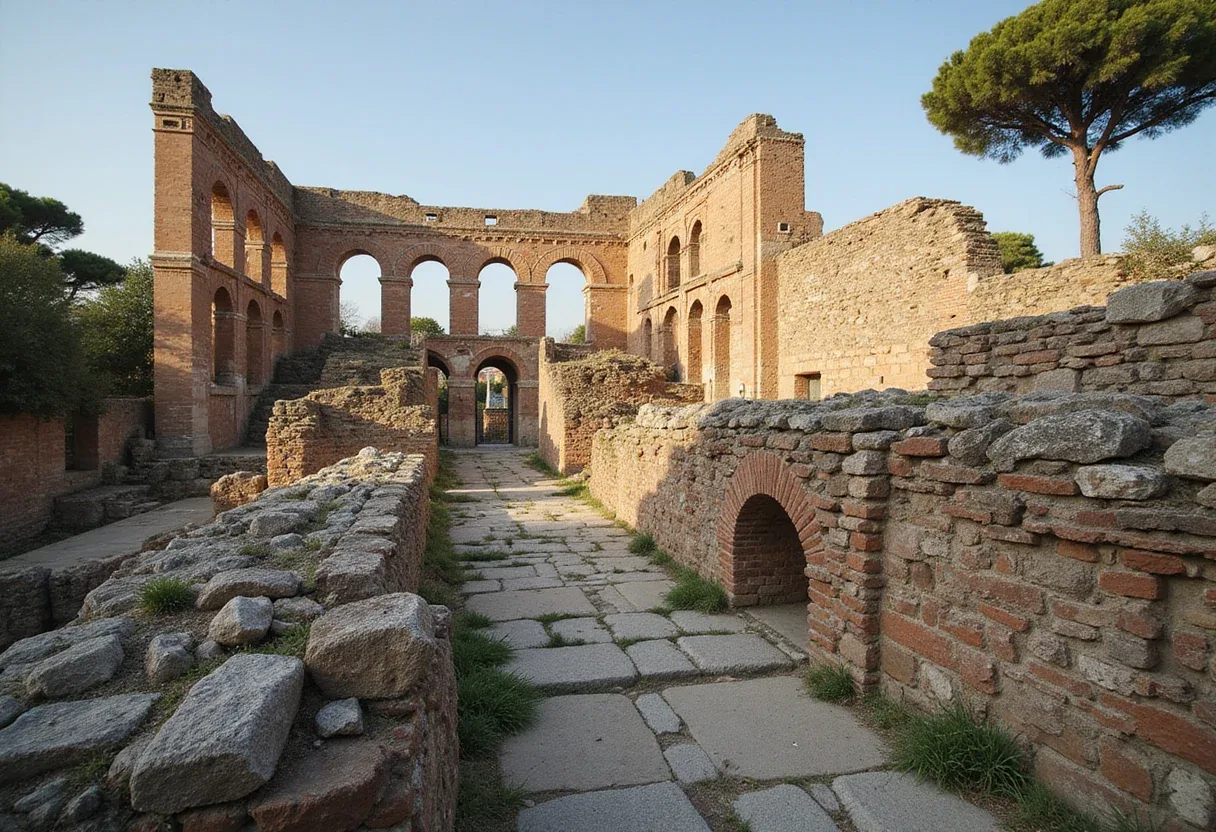
The local daily Hoy first reported the discovery. The finds come from a residence of a wealthy Roman family, part of a sprawling complex of homes, baths and roads at the approximately 1.2-acre site.
"We've encountered a tremendous surprise: extraordinary mural paintings," Pepe Vargas, who oversees archaeological work at Huerta de Otero, told Hoy. Vargas also noted a courtyard peristyle covered in mosaics.
What lies beneath Augusta Emerita?
Ancient Romans founded the colonia of Augusta Emerita in the area around 25 BCE. Huerta de Otero was first excavated in 1976. Work has been intermittent, according to Hoy, and only gathered pace in 2019. To date, just 15 percent of the site has been excavated.
The new mosaic joins one of Huerta de Otero's most famous finds: a large, multicolor Medusa mosaic floor uncovered in 2023.
Who is doing the digging?
The excavation runs through a vocational training program, the Barraeca Professional School, overseen by the Mérida City Council. The current cohort comprised 12 local students. They trained as archaeological laborers for three months, then worked in the field at Huerta de Otero for nine months.
A new group of trainees will likely start in January, according to Hoy.
What does this change for the site?
With 85 percent of Huerta de Otero still unexcavated, the latest murals suggest the residence holds far more Roman material than researchers had documented in five decades of sporadic work. Continued digging by successive Barraeca cohorts could position Mérida, already home to some of Europe's most extensive Roman remains, for further significant finds in the years ahead.
Original: hoy.es
More from Marcus Bennett
Show full bio
Staff writer covering people, launches and day-to-day practice in arts in the broadest sense at Arts & Voices.
1,586 articles