Royce Vavrek on 'Lincoln in the Bardo': Ghosts, Grief and the Met
Librettist Royce Vavrek reveals how Mazzoli's one-pitch meeting with Peter Gelb became 'Lincoln in the Bardo' at the Met — 166 novel characters boiled down to a ghostly core trio.
Programme
- 'Lincoln in the Bardo,' with a libretto by Royce Vavrek and music by Missy Mazzoli, premieres at the Metropolitan Opera.
- Vavrek's 'Angel's Bone' with Du Yun won the 2017 Pulitzer Prize for Music.
- Saunders' novel contains 166 attributed characters; the opera focuses on a core trio of ghosts.
- Vavrek and Mazzoli first met at Carnegie Hall in 2009; 'Lincoln in the Bardo' is among six operas together.
- Mazzoli pitched the graveyard concept to Met General Manager Peter Gelb as her only idea.
By Daniel Okafor
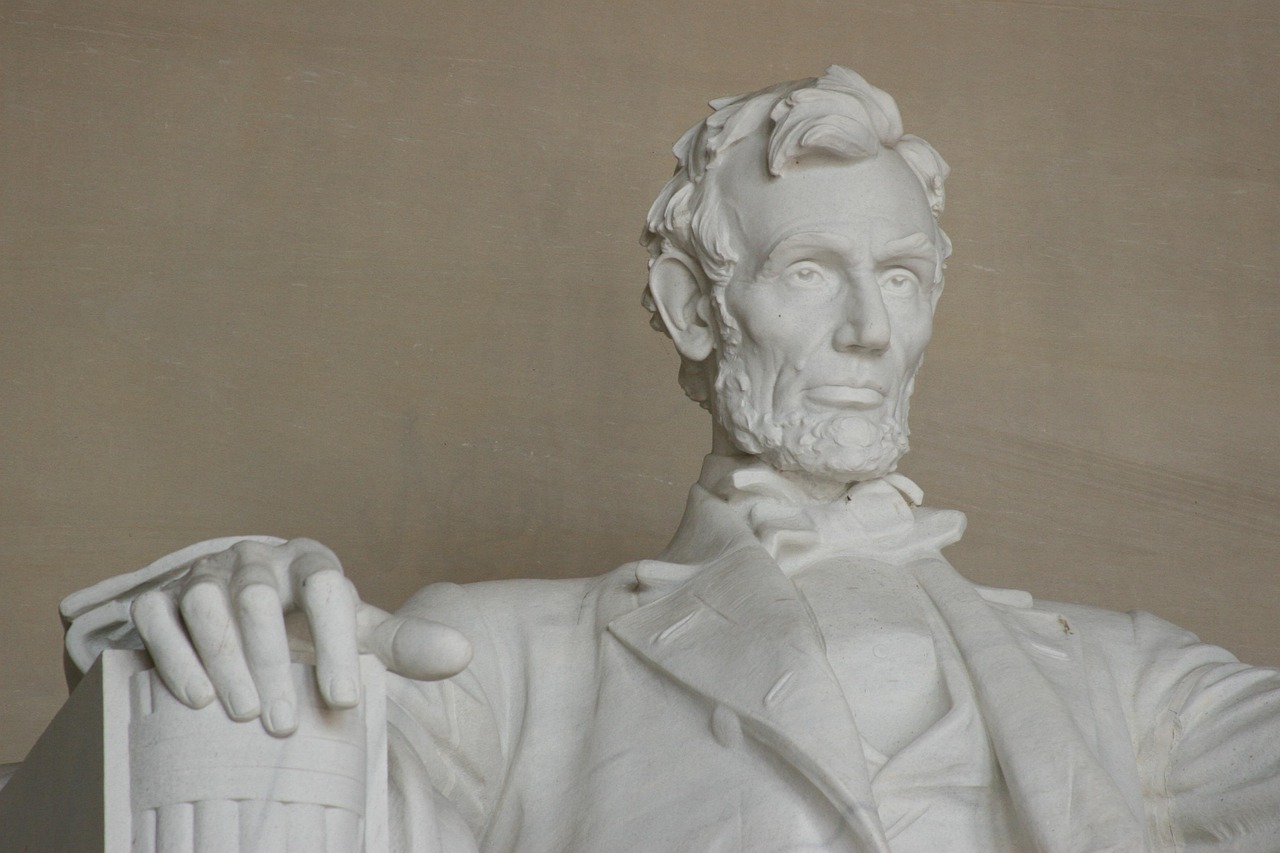
Missy Mazzoli walked into Peter Gelb's office with exactly one idea. She walked out with a Metropolitan Opera commission. The pitch, supplied the night before by her librettist Royce Vavrek: "a huge graveyard full of ghosts, like Abraham Lincoln's heavy grief." That idea became "Lincoln in the Bardo," adapted from George Saunders' novel, premiering at the Met with a libretto by Vavrek.
"I believe it was the only idea she offered at that meeting!" Vavrek told OperaWire.
Vavrek is no newcomer to this work. "Angel's Bone," his opera with composer Du Yun, won the 2017 Pulitzer Prize for Music. "Lincoln in the Bardo" is his sixth collaboration with Mazzoli, after "Breaking the Waves," "Proving Up," "The Listeners" and "The Galloping Cure," among others. He also runs Against the Grain Theatre in Toronto.
"It's quite insane," Vavrek said of seeing the work reach the Met stage. "Missy and I get to make our art with some of the most brilliant people in the world, on this massive stage, and we get to tell this crazy story. Dream come true, to say the least!"
How do you shrink 166 characters into one opera?
Saunders' novel carries roughly 166 attributed voices. The Met stage could not. Vavrek's solution was triage: keep the ghost trio of Bevins, Vollman and The Reverend at the core, then fold in Miss Traynor, Thomas Havens, Mrs. Hodge and Litzie — the latter added at Saunders' own suggestion.
The Barons survived the cut too. "I've always thought of them as our version of the Thénardiers in Les Misérables," Vavrek said. Every graveyard needs its clowns.
He calls the result faithful. "It was my job to identify the soul of the story and then figure out how to represent that in as few carefully chosen words as possible," he said. His general method for adaptation is compact: "Boiling something down to its emotional essence. Then finding the right amount of poetry to inspire the composer."
Original stories, by contrast, demand one extra step — figuring out the story first. In theory that takes longer. In practice, Vavrek says, his imagination sometimes runs wild without source material and the work "tumbles out of me quickly."
The impulse toward film adaptation runs deep. Cinema was "a window to the world" for a boy on a grain farm in northern Alberta, where Vavrek discovered Lars von Trier, Atom Egoyan and Alexander Payne at his local video store.
Where did the Mazzoli partnership begin?
At Carnegie Hall, in 2009. Mazzoli had come to hear David T. Little; Vavrek was presenting the first 20 minutes of "Dog Days." She handed him a flyer for excerpts from her opera "Song from the Uproar," which she would later ask him to help complete.
"Missy is a remarkable musical dramatist," Vavrek said. "She's a ferociously imaginative composer. And she's my best friend!"
He credits producers and directors — Beth Morrison, Francesca Zambello, David Devan, Annilese Miskimmon, John Berry and Peter Gelb — with giving the pair their tools, and credits Lawrence Edelson's Composer Librettist Development Program at American Lyric Theater for launching his career.
What threads run through his work?
Plenty. "Lincoln in the Bardo" is his second opera about an American president, after "JFK" with David T. Little. Through Against the Grain, he's developing Canadian stories: an opera on Robert W. Service's "The Cremation of Sam McGee" with composer Matthew Ricketts, and a noodled adaptation of "Anne of Green Gables" with Luna Pearl Woolf.
Queer works recur throughout his catalogue — from the Stein-Toklas love story of "27" to Bevins in "Lincoln in the Bardo." And then there's the bathtub. "JFK," "Angel's Bone," "Midwestern Gothic," "Melancholia," "Silent Light" and "Proving Up" all call for one. The joke, he notes sadly, stops at the Met.
With "Lincoln in the Bardo," the biggest work of their careers now opens on opera's largest stage — a graveyard pitch that, improbably, landed.
Source: Opera Wire
More from Daniel Okafor
Show full bio
News editor covering companies, deals and strategy in arts in the broadest sense at Arts & Voices.
617 articles