Shanghai Grand Opera House now charges 50 yuan to climb its staircase
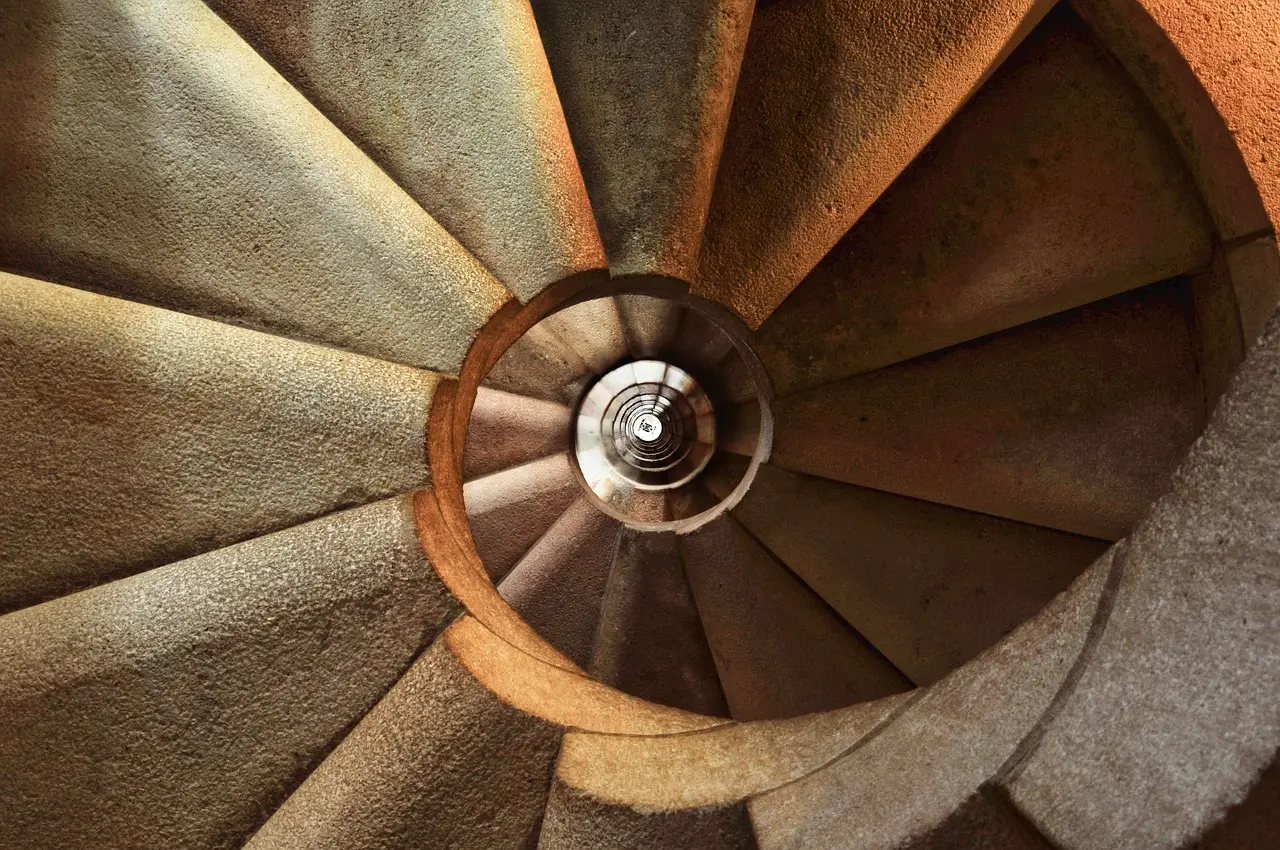
Snøhetta's Shanghai Grand Opera House now charges 50 yuan (£5.60) to climb its spiral staircase, drawing debate on Chinese social media over public access.
Programme
- Access to the spiral staircase and rooftop of the Snøhetta-designed Shanghai Grand Opera House costs 50 yuan (£5.60) per person.
- Tickets must be pre-booked online for visits between 10:30 am and 2:30 pm; performance ticket-holders still pay separately.
- The phrase "is it worth spending 50 yuan to visit Shanghai Grand Opera House" trended on Chinese social media.
- The Fuchun Cultural Museum Complex roof in Hangzhou opened only after four years and is now public one hour a day, three days a week.
By Daniel Okafor
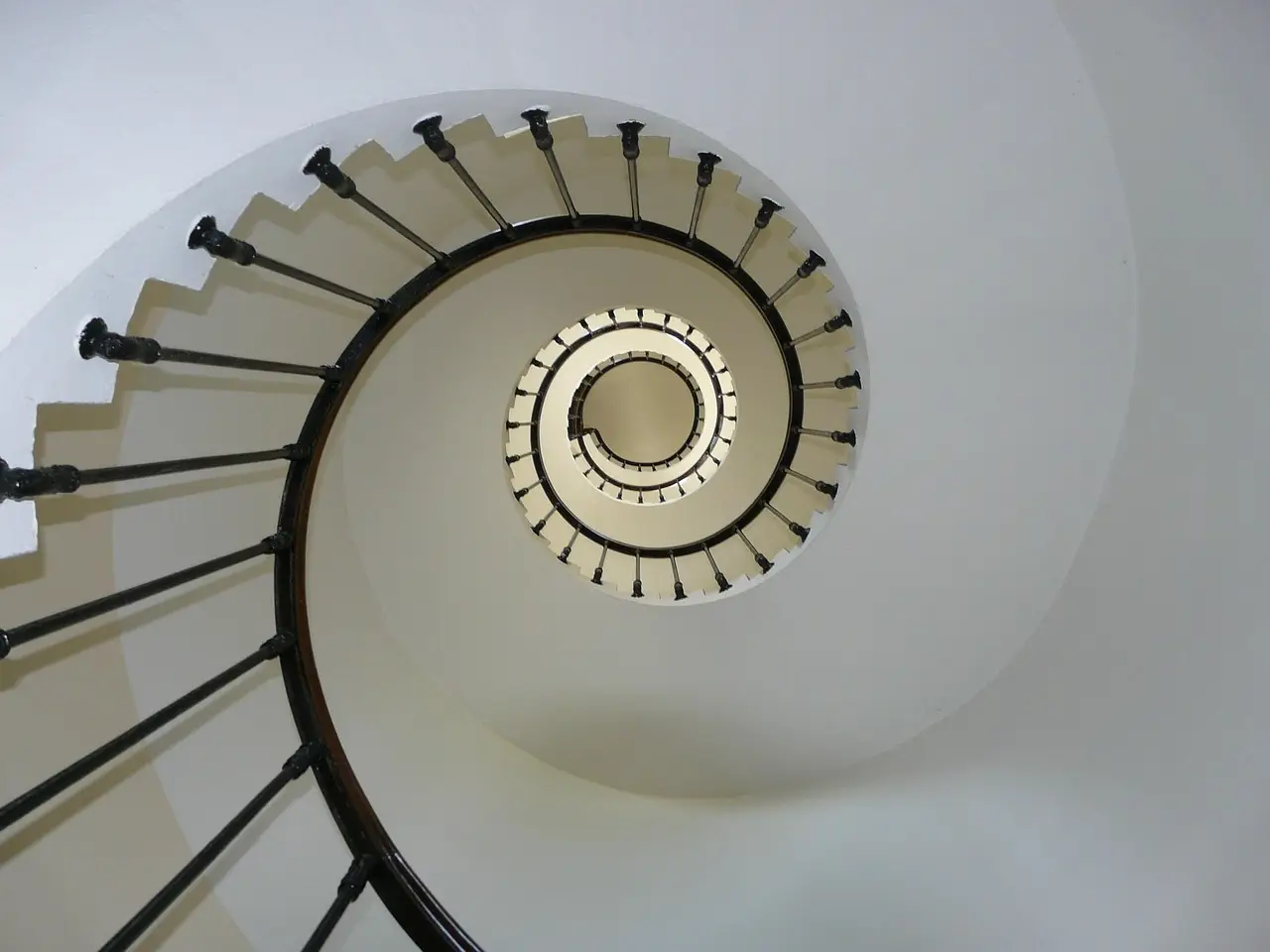
The Shanghai Grand Opera House now charges 50 yuan (£5.60) per person to climb its signature spiral staircase, the architectural centerpiece of the newly opened Snøhetta-designed building.
Dezeen, which reported the change, observed a temporary barricade separating the free ground-level public space from the staircase leading to the rooftop viewing platform. Access runs from 10:30 am to 2:30 pm and requires pre-booked online tickets. Even people holding performance tickets must pay separately. The fee, according to the booking site, includes accident insurance.
That's a lot of fine print for a flight of stairs.
What does Snøhetta say?
The Norwegian studio, which designed both this building and Oslo's Opera House with its walkable roof, framed the charge as crowd management rather than a policy shift. Demand, it said, means "visitor management is necessary".
"As with any major cultural institution, operational procedures continue to evolve during the opening period as the Opera House team gains experience with visitor patterns, capacity needs, and the building's day-to-day use," Snøhetta told Dezeen.
"Given the exceptional public interest and the limited capacity of the roof and public stairs, visitor management is necessary to ensure a safe and enjoyable experience for everyone," the studio continued. "Access arrangements will continue to develop with operational experience, but the intention remains the same: to create a building that can be widely enjoyed by the public while balancing accessibility, safety, and the visitor experience."
Good intentions. Fifty yuan each.
How did the public react?
The phrase "is it worth spending 50 yuan to visit Shanghai Grand Opera House" trended on Chinese social media after news of the fee spread. Some commenters questioned whether charging for the attraction was justifiable. Others sympathized with the need for crowd control. A third camp shared tips on photographing the building without paying.
Visitors on site were blunt. "I don't think it's worth the money," Mr Qiu, who paid to climb the stairs, told Dezeen. "Basically you pay to climb a giant stair. If you want good photos of the stairs, best to take from afar, which you can do for free."
Ms Ye, who skipped the fee, was less bothered by the price than by the barricade itself. "I don't know what the point of the barricade is – to separate the paid and unpaid? Or for better crowd circulation? But at least they need to put some effort into designing it to match the beauty of the building," she said. "It really is an eyesore for the photos."
Is this a pattern in China?
The building and its accessible roof invite comparison with the Oslo Opera House, also by Snøhetta and likewise topped with a walkable roof. According to the studio, both projects were designed to "reduce thresholds wherever possible".
Snøhetta co-founder Kjetil Thorsen put it more expansively at the time of the Shanghai opening. "Buildings like opera houses inevitably create thresholds through walls, doors, and ticketed programs," he said. "We see it as our responsibility to challenge those thresholds and make the building as much a civic destination as a performance venue. People should be able to enjoy the building without attending a performance. It should become part of everyday life, a place to spend time, meet others, and experience the city."
He added: "A successful landmark is not only recognised by visitors, it is also embraced by the people who live around it and make it part of their everyday lives."
China's record on this front is spotty. The Start Museum in Shanghai, designed by Jean Nouvel and opened in 2022, features a public roof intended for displaying large-scale artwork; the space has rarely been used. Amateur Architecture Studio's Fuchun Cultural Museum Complex in Hangzhou, with a continuous undulating roof meant to evoke climbing Fuchun Mountain, did not open that roof to the public for four years. It is now accessible one hour a day, three days a week.
Snøhetta says its access arrangements "will continue to develop". Until they develop downward in price, the threshold it once promised to reduce now costs 50 yuan.
Source: dezeen.com
More from Daniel Okafor
Show full bio
News editor covering companies, deals and strategy in arts in the broadest sense at Arts & Voices.
1,291 articles