Spitting Image co-creator Peter Fluck dies at 85
Peter Fluck, who built the latex Thatcher and royal puppets of Spitting Image with Roger Law, has died aged 85 at home in Cornwall after a recent illness.
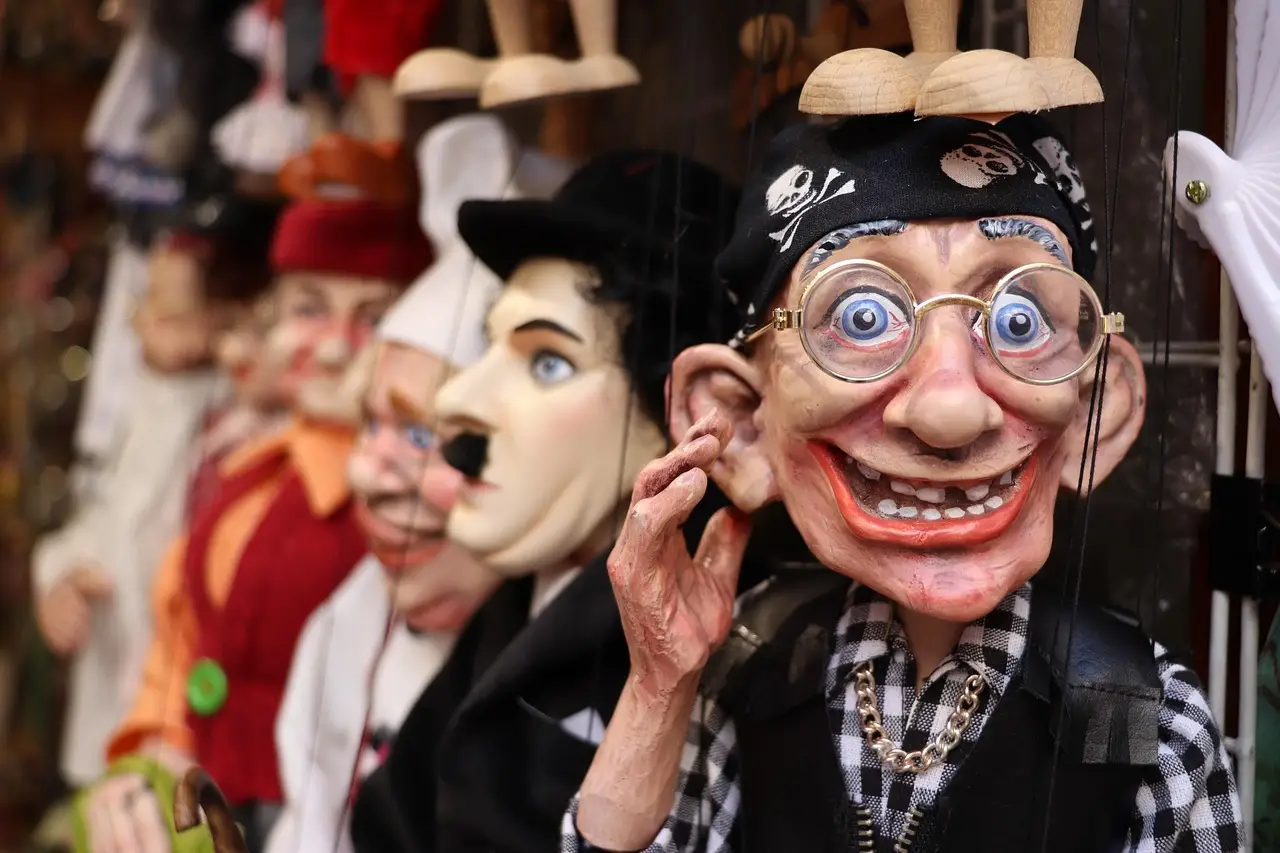
Programme
- Peter Fluck died aged 85 at home in Cornwall after a recent illness, his family said.
- Spitting Image ran 18 seasons on ITV from 1984 to 1996, peaking near 18 million viewers.
- Fluck co-created the show with college friend Roger Law as 'Luck and Flaw'.
- Puppots were made at London's East India Docks and trucked weekly to Birmingham studios.
Peter Fluck, the caricaturist and puppeteer who co-created the satirical television show Spitting Image, has died aged 85. His family said he died in the early hours of Saturday at his home in Cornwall after a recent illness, the BBC reported.
"The spirit that Spitting Image brought to the country was epoch-defining," the family said in a statement.
Fluck developed the pioneering comedy show with Roger Law, his former college friend. Together the pair were known as "Luck and Flaw". The family statement said the two men "brought a unique cutting edge to caricaturing that later evolved into a production company that created the TV series Spitting Image".
It added: "Peter's creative life continued after the series for many years from his studio in Cornwall. He was a private man who eschewed fame and attention."
How a Fleet Street exodus created a puppet factory
Central Independent Television commissioned the first series for ITV in 1984. The show ran for 12 years and 18 seasons, peaking at roughly 18 million viewers.
Fluck, born in Cambridge in 1941, traced the show's origin to a collapse in press illustration. "Roger Law and I used to make a living drawing caricatures for the press," he told the Guardian in 2014. "But when Murdoch started buying up Fleet Street, the illustrators and caricaturists were booted out for well-written pieces by intelligent journalists."
The pivot came from elsewhere. "Fortunately, someone had the bright idea that the 2D work we'd been doing on the page could be made into puppets. Sure, we thought, not realising we'd have to make the bloody things."
The process was manual and precise. "We'd start with photographs, then create a caricature that would get modelled in clay. You couldn't have a 16ft-long nose: it's impractical in a TV studio." A mould of each head produced a foam rubber skin the puppeteer could wear on a hand. Cost-saving shaped even the design: the puppets were lifesize because, Fluck said, "clothes are far cheaper from Oxfam than a wardrobe department".
The logistics were London-to-Birmingham. The puppets were built at the East India Docks; the studios stood in Birmingham. "Every Saturday, a lorry would be filled with puppets and driven up the M1," Fluck recalled. "I used to have dreams about the back door opening, and all these heads falling into the fast lane."
What did the puppets say about the powerful?
The caricatures were pointed. Margaret Thatcher appeared as an aggressive "iron lady" figure. David Steel, then Liberal party leader, was reduced to the weak sidekick of David Owen, the former foreign secretary in James Callaghan's government.
The royal family proved the sharpest trigger. In the opening episode, royal sketches were cut at the last minute "as a matter of courtesy" to the Duke of Edinburgh, who was opening Central's new Nottingham studios days later, the Times reported. The duke then appeared on the programme itself in naval uniform, making distasteful remarks about foreign cultures. Queen Elizabeth became a motherly figure who would "never go to the toilet because I'm queen". The then Prince of Wales — now King Charles — was shown preferring conversation with his plants to his wife, growing irate at the wait to accede to the throne.
The hostility confirmed the show's purpose, Fluck argued in 2014: "A wonderful thing was the small amount of really vicious hate mail that would come in on Monday morning. We also had a lot of abuse from the red tops, saying how dare we criticise the royal family. It would have been rather regrettable if we hadn't."
What does this change for political satire? Nothing immediately — but the obituaries confirm how much of the genre's visual language, the grotesque latex likeness as political weapon, descends from a cartoonist pushed out of newspapers who refused to stop drawing.
Source: theguardian.com
More from Tom Whitfield
Show full bio
Market editor covering people, launches and day-to-day practice in arts in the broadest sense at Arts & Voices.
1,719 articles